There’s something incredibly special about a dog small enough to cuddle in your lap or peek out of a tote bag. These tiny companions bring so much joy and personality into our lives, fitting perfectly into homes of all sizes. If you’re captivated by the tiniest of the tiny, you’ve probably asked yourself, what is the smallest toy breed dog? The answer is a dog with a personality ten times its size. This guide will introduce you to this remarkable breed, covering everything from their feisty charm to what it takes to keep them happy and healthy in your New Jersey or New York home.
Key Takeaways
- Look Beyond Their Lap-Sized Frame: While toy breeds are defined by their small size, their personalities are anything but. Focus on finding a temperament that matches your lifestyle, whether you want a spunky adventurer or a calm cuddler.
- Proactive Care is Key for Tiny Pups: A toy breed’s small body requires special attention. Plan for frequent small meals, consistent dental care, and a safe home environment with things like pet stairs to ensure they stay healthy and happy for years to come.
- Your Home is Their Whole World: Toy breeds adapt wonderfully to apartment living in New Jersey and New York, but they thrive on your attention. Be ready to provide daily playtime, consistent training, and plenty of mental stimulation to keep your pint-sized companion happy in any space.
What Exactly Is a Toy Breed?
When you hear the term “toy breed,” you might picture a tiny pup peeking out of a handbag, and you wouldn’t be wrong! But there’s so much more to these little dogs. Toy breeds are a category of small dogs that were specifically developed to be companions. Unlike other dog groups that were bred for herding, hunting, or work, the main “job” of a toy dog is to be a loving and devoted friend. They are known for their small stature and often have a playful, affectionate nature that makes them incredibly endearing. Their history is rooted in providing joy and friendship, which is a role they still excel at today.
Their compact size makes them a fantastic choice for a variety of living situations, from apartments in New York City to suburban homes in New Jersey. Because they were bred for companionship, they tend to form very strong bonds with their families and thrive on being part of the daily routine. Whether you’re looking for a lap dog to cuddle with or a spirited little character to keep you entertained, there’s a wide variety of personalities within this group. You can explore different breed information to see which tiny personality might be the perfect match for your lifestyle. They truly embody the idea of a four-legged family member.
How Small Is a “Toy” Dog?
So, just how small are we talking? While there’s a little variation from one breed to the next, the “toy” classification refers to a specific size range. According to veterinary experts, most toy dogs weigh between four and 12 pounds and typically stand about five to 10 inches tall at the shoulder.
To put that into perspective, many of these pups are light enough to be carried comfortably and don’t take up much space on the couch! Their petite frame is one of their defining features, but it also means they need a little extra consideration to keep them safe and sound, especially around larger pets or small children.
Common Traits of Toy Breeds
Don’t let their small size fool you—toy breeds are famous for having huge personalities packed into a tiny body. They are incredibly affectionate and tend to bond very closely with their owners, often becoming little shadows that follow you from room to room. This devotion, combined with their adaptability, makes them excellent companions for smaller living spaces.
Many toy breeds are also quite intelligent and trainable. However, they can have a sensitive side, so it’s important to care for them with gentle handling and positive reinforcement. They thrive on attention and love being the center of their family’s world, bringing a ton of joy and character to any home.
So, What’s the World’s Smallest Dog?
When it comes to toy breeds, there’s a wide spectrum of sizes, but one particular pup holds the official record for being the smallest of them all. If you’re looking for a companion that can comfortably fit in your lap and even your tote bag, you’re probably wondering which breed takes the top spot. The answer might not surprise you, but their incredible history and personality certainly will. Let’s get to know the undisputed champion of the tiny dog world and what makes them such a beloved choice for families everywhere.
Meet the Mighty Chihuahua
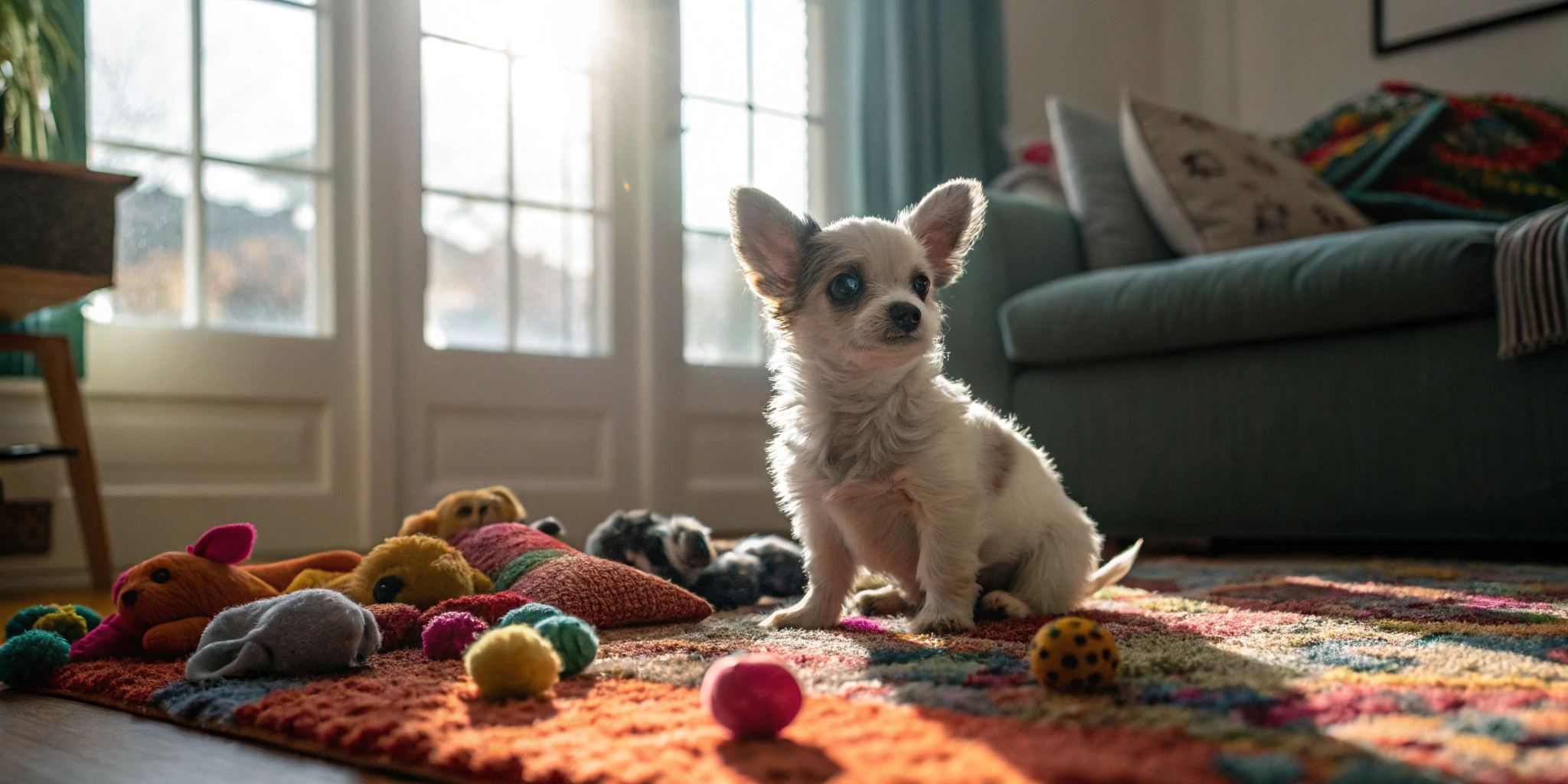
When you think of the smallest dog in the world, one name almost always comes to mind: the Chihuahua. This tiny but mighty breed officially holds the title. It’s no surprise they are one of the most popular small dogs, especially for people living in apartments or homes with less space. Their compact size makes them fantastic companions for city dwellers in New Jersey and New York. Despite their small stature, they have a huge presence and an even bigger heart. You can learn more about their unique characteristics in our breed information guide, which covers everything you need to know about these little dynamos.
Just How Tiny Are They?
So, what does “world’s smallest” actually mean? A full-grown Chihuahua typically stands just 5 to 8 inches tall and weighs between 4 and 6 pounds. That’s a whole lot of personality packed into a very small package! Speaking of personality, Chihuahuas are known for being intelligent, curious, and wonderfully feisty. They form incredibly strong bonds with their families. To help them become well-rounded and confident adults, it’s a great idea to start socialization early. Introducing them to new sights, sounds, and friendly faces helps shape their spirited nature in the best way possible. When you’re ready to meet one, you can see our available puppies for sale.
What Makes Chihuahuas So Special?
It’s easy to be captivated by the Chihuahua’s tiny frame, but what truly makes this breed unforgettable is the massive personality packed inside. These little dogs have a unique charm that has won hearts for centuries, proving that the best things often come in the smallest packages. They aren’t just pets; they’re spunky, loyal companions with a surprising amount of depth. If you’re looking for a dog with a big heart and an even bigger attitude, the Chihuahua might just be your perfect match. Let’s get to know what makes them tick.
A Closer Look at Their Features
As the smallest dog breed in the world, Chihuahuas typically stand just six to nine inches tall. But don’t let their delicate size fool you—they carry themselves with a feisty and spirited confidence. With their alert ears and big, expressive eyes, they are always taking in the world around them. This inherent curiosity is part of their intelligent nature. To help them grow into well-rounded companions, early and positive socialization is key. Introducing them to new sights, sounds, and friendly faces helps channel their spirited energy in the best way. You can find more breed information to see if their traits align with your lifestyle.
Big Personalities in a Small Package
Chihuahuas are famous for their larger-than-life personalities. They often have a bold and sassy demeanor, acting as though they’re ten times their actual size. This confidence makes them incredibly entertaining and engaging companions who are always ready for a bit of fun. Their history is just as grand as their attitude; many small breeds like the Chihuahua were once cherished companions to royalty, and it’s easy to see why. They form deep, loyal bonds with their families and thrive on being the center of attention. If you’re ready for a pint-sized friend with a personality that shines, take a look at our available puppies and see their charm for yourself.
Are Chihuahuas Easy to Train?
With their spunky and energetic nature comes a sharp mind. Chihuahuas are very intelligent, but they can also have a stubborn streak. This doesn’t mean they’re difficult to train—it just means they respond best to patience, consistency, and plenty of positive reinforcement. Keep training sessions short, fun, and rewarding, and you’ll be surprised at how quickly they can learn commands and tricks. Since Chihuahuas are one of the longest-living dog breeds, investing time in training from the start builds a wonderful foundation for your many years together. Getting a handle on training early is one of the best things you can do for your new family member.
How to Care for a Chihuahua
Bringing a Chihuahua into your life is an exciting step, and understanding their unique needs is key to a happy life together. These tiny dogs have big hearts and specific care requirements that are easy to manage once you know what to look for. From their diet to their dental health, providing the right support will ensure your pint-sized companion thrives. Let’s walk through the essentials of caring for your Chihuahua.
Feeding Your Tiny Friend
Chihuahuas have a fast metabolism packed into a tiny body, which means their energy needs are different from larger dogs. To prevent their blood sugar from dropping too low (a condition called hypoglycemia), it’s best to feed them three to four small, evenly portioned meals throughout the day. Stick to a high-quality food formulated specifically for toy breeds to ensure they get the right balance of nutrients. Always provide fresh water and choose food and water bowls that are appropriately sized for them. You can find the perfect supplies for your new friend in our pet boutique.
Keeping Your Chihuahua Active and Happy
Don’t let their size fool you—Chihuahuas have plenty of energy and a playful spirit. Daily walks and dedicated playtime are essential to keep them physically and mentally stimulated. However, their exercise needs are manageable, and they love a good play session indoors. Because they are so small, jumping on and off furniture can be risky for their delicate joints. A great way to care for extra-small dogs is to provide pet stairs or ramps, giving them a safe way to get up and down from their favorite spots, like the couch or your bed.
Helping Them Handle the Weather
With their small bodies and often thin coats, Chihuahuas are very sensitive to the cold. During chilly New Jersey or New York winters, a sweater or coat is a must-have for walks. Never leave them outside unattended in extreme temperatures, hot or cold. On days when the weather is just too harsh, having an indoor potty spot with training pads is a great backup plan. This not only keeps them comfortable but also helps prevent accidents and supports a consistent potty routine, which is important since smaller breeds can be prone to urinary issues.
Why Dental Health Is a Big Deal
Toy breeds are notorious for dental problems due to their small mouths, which can lead to tooth overcrowding and plaque buildup. Prioritizing dental care from a young age is crucial for their overall health. Get your puppy used to having their teeth brushed regularly with a dog-friendly toothpaste and a small, soft brush. Dental chews and toys can also help keep their teeth clean between brushings. Since Chihuahuas have a long lifespan, maintaining good oral hygiene helps ensure they stay healthy and happy for years to come. You can learn more about your pup’s specific needs on our breed information page.
Common Health Concerns for Chihuahuas
Chihuahuas are known for their long lifespans, often living well into their teens. Like all dogs, though, they have certain health considerations to keep in mind. Being aware of these potential issues from the start is the best way to ensure your tiny companion stays happy and healthy for years to come. A proactive approach to their wellness, combined with regular vet visits, makes all the difference. When you bring home a new puppy, you’re starting a journey together. Understanding their specific needs is part of the fun and responsibility. At Furrylicious, we believe that a well-informed owner is the best kind of owner, which is why we love sharing what we know about these incredible little dogs.
Potential Health Issues to Watch For
Like many toy breeds, Chihuahuas can be prone to a few specific health conditions. One common issue is patellar luxation, which sounds complicated but is essentially a “trick knee” that can slip out of place. You might also want to pay close attention to their dental health, as their small mouths can lead to crowded teeth and plaque buildup. Regular check-ups will help you stay ahead of any potential heart conditions as well. You can find more details on our breed information page to get a complete picture of what to expect.
Managing Their Blood Sugar
A Chihuahua’s tiny body processes energy differently than a larger dog’s. This means they can sometimes be susceptible to hypoglycemia, or low blood sugar, especially when they are very young. To help keep their energy levels stable, it’s best to feed them small, frequent meals throughout the day instead of one or two large ones. Also, always make sure they have access to fresh, clean water. Proper hydration is key to their overall health and can help prevent other issues, like urinary problems, down the road.
Protecting Your Pint-Sized Pup from Injury
Because they are so small, Chihuahuas can easily get hurt from falls or rough handling. It’s a great idea to make your home as safe as possible for your little friend. Consider getting doggie stairs or a small ramp to help them get on and off furniture without having to jump. This simple step can protect their delicate joints over time. You’ll also want to be mindful of where you step and teach any children in the house how to interact with the puppy gently and safely.
The Importance of Early Socialization
Chihuahuas have huge personalities, and early socialization helps ensure that their confidence shines through in a positive way. Introducing your puppy to new sights, sounds, and gentle people in a calm and controlled manner helps prevent them from becoming anxious or fearful. A well-socialized Chihuahua grows into a well-adjusted adult who is comfortable in different situations. This early foundation is crucial for building a happy, outgoing companion for all your adventures in New Jersey, New York, and beyond.
Exploring Other Popular Toy Breeds
While Chihuahuas hold the title for the smallest dog, plenty of other tiny companions are waiting to steal your heart. Each toy breed has a unique personality and look, making it fun to find the one that clicks with your lifestyle. Whether you’re in a New York City apartment or a house in the New Jersey suburbs, there’s a pint-sized pup for you.
Yorkshire Terriers and Pomeranians
Yorkshire Terriers, or “Yorkies,” are true showstoppers with their long, silky coats and confident personalities. Don’t let their dainty appearance fool you; these dogs were originally bred for hunting rodents and have a spirited, brave nature. They love being the center of attention and form strong bonds with their families. Pomeranians are little balls of fluff with foxy faces and bold attitudes. They are incredibly smart and loyal, but their strong will means early training is a must. A Pom will keep you on your toes with their playful antics and make a wonderful, lively companion. You can find out more about these pups in our breed information center.
Maltese and Papillons
With their flowing white coats and gentle nature, Maltese dogs look like little aristocrats. They are one of the oldest toy breeds and have been cherished companions for centuries. While they can be a bit vocal, they are also eager to please and relatively easy to train, making them a fantastic choice for new dog owners. Papillons are named for their beautiful, butterfly-like ears (“papillon” is French for butterfly). These dogs are as bright as they are beautiful. They are incredibly intelligent and athletic, thriving on activity and play. A Papillon is a great match for an active family looking for a tiny but energetic friend.
Cavalier King Charles Spaniels and Italian Greyhounds
If you’re looking for a professional cuddler, the Cavalier King Charles Spaniel is your dog. These pups were born to be companions, with sweet, affectionate personalities that make them instant friends with everyone they meet. Their gentle nature and adaptability make them a perfect fit for first-time owners and families of all kinds. For those seeking a more athletic small dog, the Italian Greyhound is a miniature version of its larger cousin. These sleek, elegant dogs are graceful and love to run. They are also sensitive souls who form deep attachments to their people and may get anxious if left alone for too long.
Shih Tzus and Toy Poodles
The charming Shih Tzu has a history as a treasured lap dog for Chinese royalty, and they haven’t forgotten it. These dogs are born companions, known for their sweet, outgoing personalities and beautiful coats. They are happiest when they’re right by your side, making them a wonderful addition to any home looking for a loving friend. Toy Poodles are celebrated for their incredible intelligence and hypoallergenic coats. They are remarkably easy to train and excel at learning new tricks. Don’t let their fancy appearance fool you; they are playful, friendly, and adapt well to any living situation. Check out our gallery of puppies for sale to see these adorable breeds.
Are Toy Breeds Good for Apartment Life?
Living in a New Jersey apartment or a New York co-op doesn’t mean you have to put your dream of dog ownership on hold. While a Great Dane might not be the best fit for a studio, a toy breed can be the perfect companion for city and suburban life. Their compact size is a major advantage, but it’s not the only reason they thrive in smaller living spaces. Many toy breeds have energy levels that are perfectly suited for indoor living, as long as they get their daily dose of play and a few walks around the block.
Of course, living with neighbors in close proximity means you have to consider a few extra things, like noise and exercise. The key is choosing a puppy whose temperament aligns with your lifestyle and home environment. With a little planning, you can create a wonderful, fulfilling life for a tiny dog right in your apartment. From finding the right toys to establishing a routine, making your home a puppy paradise is easier than you think. Exploring the different puppies for sale can help you see the variety of personalities and find your perfect match.
How Much Space Do They Really Need?
It’s a common misconception that all dogs need a big house with a fenced-in yard. For toy breeds, your cozy apartment can feel like a grand estate. Because of their small stature, they don’t need a ton of room to roam to be happy and healthy. A short walk down the hall can be a decent trek for their little legs! What matters more than square footage is the quality of the space and the time you spend with them. A loving home with a comfy bed, a dedicated play area, and plenty of your attention is far more important than a sprawling lawn. You can learn more about the specific needs of different pups by checking out our breed information guides.
Managing Barking in Close Quarters
Let’s talk about barking. It’s one of the biggest concerns for apartment dwellers, and it’s true that some small dogs can be vocal. However, this isn’t a universal trait, and it’s often manageable. A puppy that barks excessively might be bored, anxious, or simply trying to get your attention. Consistent training from day one helps them understand when it’s okay to make noise and when it’s time to be quiet. Choosing a breed known for a calmer temperament can also make a big difference. The goal is to address the root cause of the barking through positive reinforcement and by providing a secure, loving environment where your pup feels safe and understood.
Creative Ways to Exercise Indoors
Even if you don’t have a yard, you can keep your toy breed active and engaged right in your living room. These intelligent little dogs need mental stimulation just as much as physical exercise. A game of fetch down a hallway, hide-and-seek with their favorite treat, or short, fun training sessions can burn off energy and prevent boredom. Puzzle toys are another fantastic way to keep their minds working. Our pet boutique is full of great options to challenge your pup. For their safety, consider getting a small set of stairs or a ramp to help them get on and off furniture without having to jump, protecting their delicate joints.
The Good and the Challenging: Owning a Tiny Dog
Bringing a tiny dog into your life is an exciting decision, but it’s one that comes with its own unique set of joys and responsibilities. While their small size makes them incredibly charming, it also means they have specific needs that differ from larger dogs. Understanding both sides of the coin helps you prepare for a happy life together. From their adaptability to city living in New Jersey and New York to their need for careful handling, there’s a lot to consider before you bring home a new puppy.
Thinking through these points ensures you find a companion that truly fits your lifestyle. It’s all about matching their personality and needs with your own. Whether you live in a spacious house in the suburbs or a cozy apartment in the city, a tiny dog can be a wonderful addition, as long as you’re ready for what it entails. They might be small, but their impact on your life will be huge. Getting a clear picture of what to expect—from daily walks and playtime to training and health—will set you both up for success. Let’s look at the perks and the preparations involved in welcoming a pint-sized friend into your home.
The Perks of Having a Pint-Sized Pal
One of the biggest advantages of a tiny dog is how easily they adapt to different living situations. Their small stature makes them excellent companions for apartment dwellers, as they don’t require a huge amount of physical space to be happy. Many small dogs are perfectly content with indoor play and daily walks, making them some of the best puppy breeds for NJ homes. Don’t let their size fool you, though—these little dogs often have huge personalities packed into a tiny frame. They are known for being affectionate, loyal, and forming incredibly strong bonds with their people. Their portability is another plus; they’re easy to take with you on errands or trips, becoming a true take-along buddy.
What to Prepare For
While small dogs are wonderful, they do have specific needs. It’s important to begin early socialization to help them build confidence and prevent them from becoming anxious around new people, pets, or environments. Because of their small size, they can feel overwhelmed in a big world, so positive introductions are key. You’ll also want to consider their upkeep. Many popular small dogs have beautiful coats that require regular brushing and attention to stay healthy and free of tangles. Consistent training is also essential. Sometimes, their cute antics can make it tempting to let things slide, but establishing clear boundaries will help them become well-behaved members of the family.
Are They a Good Fit for Families with Kids?
This is a question that depends entirely on the family and the specific dog. If you have young children, it’s important to choose a small dog breed with care. Some tiny dogs are quite delicate and can be unintentionally injured by the boisterous play of a toddler. They may thrive better in a calmer household or with older, more gentle children who understand how to interact with a small animal respectfully. When you explore different breeds, you’ll find that some are sturdier and more patient than others. The key is to match the dog’s temperament and energy level with your family’s dynamic to ensure a safe and happy environment for everyone.
How to Choose the Right Toy Breed for You
Bringing a new puppy home is one of life’s most exciting moments, and choosing the right one is a decision that deserves careful thought. While it’s easy to fall in love with a cute face, the best match comes from finding a dog whose personality and needs align with your lifestyle. Think of it as finding a new best friend—you want someone you genuinely connect with. Let’s walk through a few key things to consider to help you find the perfect tiny companion for your home in New Jersey or New York.
Finding a Personality that Fits Yours
Toy breeds are a diverse group, each with a distinct personality packed into a small frame. Some are bubbly socialites, while others are serene lap dogs. The first step is to honestly assess your own lifestyle. Are you an active person who wants a spunky sidekick for weekend adventures, or do you prefer quiet evenings at home and want a cuddly companion? Learning about different dog breed temperaments is essential. A spirited Yorkie might be perfect for one family, while a gentle Maltese could be a better fit for another. Thinking about these personality traits will help you find a puppy that truly feels like part of the family.
How Much Time and Attention Do They Need?
Don’t let their small size fool you—toy breeds require a significant amount of time and attention. Many of these dogs are highly intelligent and need daily mental stimulation and physical activity to stay happy and healthy. This means daily walks, playtime, and puzzle toys to keep their minds sharp. It’s also crucial to start socialization early. Introducing your tiny puppy to new people, sounds, and environments in a positive way helps them grow into a confident, well-adjusted adult. The puppies available in our boutique begin this journey with us, ready to continue learning and growing with you in their new home.
Understanding Their Coat Care Needs
A puppy’s coat is one of their most charming features, but it also comes with responsibility. Different toy breeds have very different upkeep requirements. A long, silky coat like a Shih Tzu’s will need daily brushing to prevent tangles, while a smooth-coated Chihuahua requires much less maintenance. Many of these breeds were historically companions to royalty, accustomed to regular pampering. This routine upkeep is more than just a task; it’s a wonderful way to bond with your new puppy. Making sure you have the right brushes and combs from our pet boutique will make the process enjoyable for both of you.
Find Your Perfect Tiny Companion in New Jersey
Choosing the right puppy for your New Jersey home is a big decision, and it’s about more than just falling for a cute face. Your lifestyle, living space, and family dynamic all play a huge role in finding the perfect furry friend. For many people in NJ, especially those with apartments or smaller homes, a toy breed can be an ideal companion. They bring so much love and personality without needing a huge backyard to be happy.
When you start looking at puppies for sale, you’ll notice some small breeds are especially popular here. While larger dogs have their fans, little pups like French Bulldogs, Yorkshire Terriers, and Chihuahuas have captured the hearts of many New Jersey and New York families. Each one has a unique personality, so it’s important to think about what you’re looking for. Do you want a playful sidekick for your city adventures or a cuddly lap dog to keep you company?
Thinking through a breed’s temperament, energy level, and adaptability is key. For example, a Toy Poodle is incredibly smart and fits in well with many different types of families, but they thrive on positive interaction. Our breed information pages can be a great resource to compare different personalities and needs. At Furrylicious, we love helping you explore these options in a relaxed, unhurried way. We want you to feel confident and excited about the tiny companion you choose to bring home. If you have a specific breed in mind that you don’t see, our Puppy Concierge can help find your perfect match.
Related Articles
Frequently Asked Questions
What’s the difference between a “toy” breed and just a small dog? That’s a great question! While all toy breeds are small, not all small dogs are toy breeds. The main distinction comes down to their original purpose. The “toy” group was specifically developed for companionship—their primary job has always been to be a devoted friend. Other small dogs, like certain terriers, were originally bred for tasks like hunting. This history often influences their temperament, which is why so many toy breeds are natural lap dogs that thrive on being close to their families.
Are toy breeds a good choice for families with young children? This really depends on the specific dog and the family. Because these dogs are so small and delicate, they can be easily injured by the unintentional rough play of a young child. Some toy breeds are sturdier and more patient than others. The most important factor is teaching children how to interact gently and respectfully with a small animal. A calm household with older children who understand these boundaries is often an ideal environment for a tiny pup.
Do all tiny dogs bark a lot? I’m worried about my neighbors. It’s a common concern, but the idea that all small dogs are yappy is a myth. Barking is a form of communication, and a dog that barks excessively is usually trying to tell you something—they might be bored, anxious, or need more exercise. While some breeds can be more vocal, consistent training and making sure their needs for mental and physical activity are met can make a world of difference in managing noise.
I don’t have a yard. Is that a problem for a toy breed? Not at all! In fact, this is one of the reasons toy breeds are so popular in places like New Jersey and New York. They don’t need a large, fenced-in yard to be happy and healthy. Their exercise needs can easily be met with daily walks, indoor games of fetch down a hallway, and engaging puzzle toys. What matters most to them isn’t the size of your space, but the amount of quality time you spend together within it.
With so many personalities, how do I choose the right toy breed for me? The best way to start is by looking at your own lifestyle. Are you active and looking for a spirited sidekick, or are you more of a homebody who wants a professional cuddler? Be honest about the time you can commit to walks, play, and coat care. Once you have a clear picture of what you’re looking for in a companion, you can explore different breed temperaments to find a personality that truly clicks with yours. It’s all about finding a friend that fits seamlessly into your life.