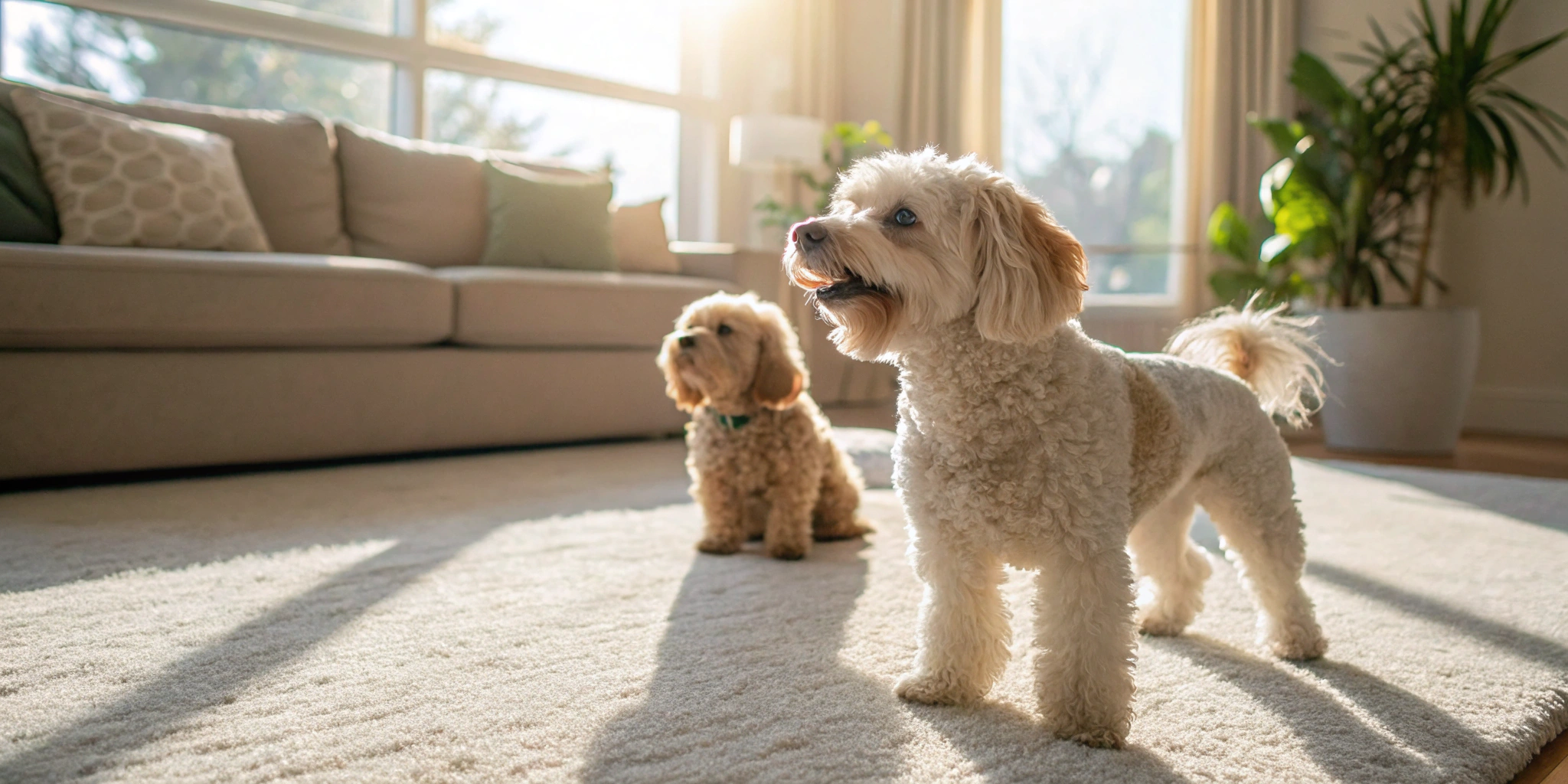

Let’s clear up one of the biggest myths in the dog world: the term “non-shedding” is a bit misleading. The truth is, every dog sheds at least a tiny bit, just like we lose our own hair. When people search for small dog breeds that don’t shed, what they’re really looking for are pups with hair-like coats that don’t leave a trail of fur on the couch, clothes, and carpets. These dogs have a different hair growth cycle, which means significantly less cleanup and less dander floating around your home. Understanding this distinction is the first step to finding the perfect, low-maintenance companion for your family and your lifestyle.
Key Takeaways
- Understand What “Low-Shedding” Really Means: These popular terms signify that a puppy sheds very little and releases less dander, making them a fantastic choice for tidy homes and allergy sufferers—not that they are completely maintenance-free or allergy-proof.
- Embrace a Routine of Coat Care: A low-shedding coat requires your attention. Be prepared for a consistent schedule of at-home brushing and professional upkeep to keep your puppy’s hair healthy, comfortable, and free of tangles.
- Choose a Companion for Your Actual Life: The perfect puppy is one whose energy level and temperament fit your daily routine. Being honest about your lifestyle ensures you find a dog that will be a happy and compatible member of your family for years to come.
What Does “Non-Shedding” Really Mean?
Let’s clear up one of the biggest myths in the dog world. The term “non-shedding” is a bit of a misnomer because, in reality, all dogs shed at least a little bit. Even us humans shed our hair! When people talk about non-shedding dogs, they’re really referring to breeds that shed very minimally. Instead of finding fur all over your couch and clothes, you’ll barely notice the hair these pups lose.
However, a low-shedding coat isn’t a no-maintenance coat. In fact, many of these popular breeds require consistent at-home brushing and regular appointments for professional coat care to prevent mats and keep their skin healthy. So, while you’ll save time on vacuuming, you’ll want to set aside time for keeping their beautiful coats in top shape. It’s a trade-off that many families in New Jersey and New York are happy to make for a cleaner home and a cuddle-friendly companion.
A Look at Different Coat Types
The secret behind a low-shedding dog often comes down to one thing: hair versus fur. Many of the breeds we think of as non-shedding, like Poodles and Maltese, have coats that are more like human hair. This hair has a longer growth cycle, meaning it grows continuously and falls out much less frequently. In contrast, dogs with fur typically have a double coat that sheds heavily with the seasons. Because dogs with hair don’t shed as much, they release less dander into your home, which is a huge plus for allergy sufferers. You can explore our dog breed info to learn more about the specific coat types of your favorite pups.
Low-Shedding vs. Hypoallergenic: What’s the Difference?
It’s crucial to understand that no dog breed is 100% hypoallergenic. While we wish it were true, allergies are typically caused by a protein found in a dog’s dander (dead skin flakes) and saliva, not the hair itself. The reason low-shedding dogs are often called “hypoallergenic” is that they release far less dander into the environment. With less hair floating around, there are fewer particles to trigger a reaction. This makes breeds like the Bichon Frise and Miniature Schnauzer a fantastic choice for individuals and families with mild to moderate allergies. If you’re looking for puppies for sale in New York or New Jersey, choosing a low-shedding breed can make all the difference.
9 of the Best Small Dog Breeds That Don’t Shed
Finding the perfect furry companion for your home in New Jersey or New York means considering a lot of factors, and for many, shedding is at the top of the list. If you love the idea of puppy cuddles without the constant cleanup, you’re in the right place. These small dog breeds are known for leaving very little hair behind, making them fantastic choices for tidy homes and allergy-prone families. Let’s meet some of our favorite low-shedding pups. Each one has a unique personality, and you can learn even more about them in our dog breed info library.
Bichon Frise
With a personality as bright and cheerful as their fluffy white coat, the Bichon Frise is pure joy. These little dogs are true non-shedders, which is great news for your furniture and your sinuses. Their hair grows continuously, much like human hair, so they don’t have that seasonal “blowout” of fur. To keep them looking like the perfect little cloud they are, their coat requires consistent brushing and regular baths. This upkeep prevents matting and keeps their fur soft and pristine. Their playful and affectionate nature makes them a wonderful addition to any family.
Maltese
The Maltese is the picture of elegance and charm, all wrapped up in a tiny package. This breed sheds very little, making them a popular choice for those who want a pristine home. Their long, silky white hair is absolutely stunning but does need regular brushing to prevent tangles and mats. Think of it as a daily moment to bond with your pup! With their gentle and playful spirit, a Maltese is more than just a pretty face; they are loving companions who thrive on being part of the family. They are one of the most sought-after puppies for sale in New Jersey.
Toy and Miniature Poodle
Poodles are famous for their intelligence, but their non-shedding, hypoallergenic coats are a huge part of their appeal. Both the Toy and Miniature varieties are fantastic for people with allergies. Their curly coats catch loose hair, preventing it from ending up all over your home. This also means they need regular professional styling and brushing to keep their fur from getting matted. Poodles are incredibly smart and active, so they love learning new tricks and joining you on adventures. They are a perfect mix of brains, beauty, and low-shedding benefits.
Miniature Schnauzer
If you’re looking for a small dog with a big personality, the Miniature Schnauzer is for you. These spirited and friendly dogs shed very little, making them excellent housemates. Their wiry coat and signature beard and eyebrows give them a distinct and charming look. To keep them looking sharp, their coat needs weekly brushing and routine maintenance. Miniature Schnauzers are alert, loyal, and full of life, always ready for a walk around the neighborhood or a play session in the living room. They are a wonderful, low-shedding choice for active families.
Yorkshire Terrier
Affectionately known as the “Yorkie,” the Yorkshire Terrier is a tiny dog with a huge, confident personality. Their beautiful, silky coat is more like human hair than typical dog fur, which means they don’t shed. This luxurious coat does require daily brushing to stay tangle-free and maintain its glossy appearance. Yorkies are brave, determined, and incredibly loving with their families. They pack a lot of attitude into a small frame, making them delightful and entertaining companions for anyone looking for puppies in the New York area.
Havanese
The Havanese is a cheerful and sociable little dog that brings a bit of Cuban sunshine wherever it goes. As a bonus, this delightful companion does not shed. Their long, soft coat can be kept long or clipped short into a cute “puppy cut,” but either way, it needs weekly brushing to stay healthy and clean. Havanese are known for being clever, trainable, and incredibly attached to their people. They are true companion dogs that will happily follow you from room to room, always ready for a cuddle or a game.
Chinese Crested
The Chinese Crested is one of the most unique-looking dogs you’ll ever meet, and they are a fantastic low-shedding option. This breed comes in two types: the hairless, which has soft skin and tufts of hair on the head, paws, and tail, and the powderpuff, which has a full coat of fine hair. The hairless variety obviously doesn’t shed, but their skin needs special care, like sunscreen and moisturizer. The powderpuff sheds very minimally. Both are playful, loving, and sensitive companions that form strong bonds with their families.
Coton de Tulear
Named for their soft, cotton-like coat, the Coton de Tulear is a charming, happy-go-lucky breed that is considered hypoallergenic and non-shedding. Their fluffy coat is incredibly soft to the touch but requires daily brushing to prevent mats from forming. Cotons are known for their funny personalities; they often walk on their hind legs and love to make their families laugh. They are bright, eager to please, and get along well with everyone, including children and other pets, making them a wonderful and low-maintenance choice when it comes to cleanup.
Brussels Griffon
With their expressive, almost human-like faces, the Brussels Griffon is a small dog that is big on character. This breed comes in both a smooth and a rough-coated variety, and both shed very little. The rough-coated type has a wiry coat that needs weekly brushing to remove loose hair and prevent it from looking untidy. Brussels Griffons are known for their loyalty and intelligence, but they also have a comical and mischievous side. They form a deep connection with their favorite person and thrive on being the center of attention.
Are “Hypoallergenic” Dogs Actually Allergy-Proof?
The term “hypoallergenic” gets used a lot, but what does it actually mean when it comes to finding the perfect puppy? If you or someone in your family has allergies, you’ve probably searched for dogs that won’t trigger sniffles and sneezes. While some breeds are certainly a better fit for allergy sufferers, it’s important to understand what causes those reactions in the first place. The good news is that with a little knowledge, you can find a furry friend that fits beautifully into your home and life.
Dander vs. Hair: What Really Causes Allergies?
Let’s clear up a common misconception: it’s not the dog’s hair itself that typically causes an allergic reaction. The real culprit is dander—tiny flecks of skin that all dogs shed, along with proteins found in their saliva and urine. When a dog sheds its hair, that dander gets released into the air and settles on furniture, carpets, and clothes. This is why low-shedding dogs are often recommended for people with allergies. They don’t release as much dander into the environment, which can make a huge difference in managing allergy symptoms and keeping your home comfortable.
The Truth About 100% Hypoallergenic Dogs
Here’s the honest truth: no dog is truly 100% hypoallergenic. Because all dogs produce dander, there’s no such thing as a completely allergy-proof pup. However, breeds labeled “hypoallergenic” have coats that shed very little, which significantly reduces the amount of dander in your home. These dogs often have hair instead of fur, which has a different growth cycle and doesn’t fall out as frequently. So, while you won’t find a dog that’s completely free of allergens, you can absolutely find one that is much less likely to cause a reaction.
How to Know if a Puppy is Right for Your Allergies
The best way to know if a specific puppy will work for your family is to spend some time with them. Since every person’s allergies are different, interacting with a puppy in person can help you see how you’ll react. Breeds like the Bichon Frise, Poodle, and Maltese are fantastic choices for families in New Jersey and New York looking for a low-allergen companion. At Furrylicious, we encourage you to visit our boutique and spend unhurried, quality time with our puppies. This gives you a real opportunity to see if a particular little one is the right match for your home and your sensitivities before making a decision.
What Kind of Grooming Do These Breeds Need?
One of the biggest perks of choosing a low-shedding dog is saying goodbye to tumbleweeds of fur rolling across your floors. But it’s important to know that “low-shedding” doesn’t mean “no-maintenance.” Instead of shedding, these pups have hair that grows continuously, much like our own. This means they need regular upkeep to keep their coats healthy, comfortable, and free of tangles. Think of it less as a chore and more as a special routine you get to share with your new best friend.
Establishing a consistent schedule for their coat care is a key part of responsible puppy ownership and a wonderful way to strengthen your bond. From daily brushing sessions on the couch to trips for a professional trim, understanding your specific pup’s needs is the first step. This regular attention prevents painful mats, keeps their skin healthy, and ensures they always look as chic as they feel. It’s an investment of time that pays off in a happy, comfortable companion. Below, we’ll walk through the essentials of at-home care, when to call in a professional, and the special considerations for those adorable hairless breeds, so you feel fully prepared to welcome your new puppy home.
Brushing and At-Home Coat Care
Think of daily brushing as your special bonding time. For dogs with hair instead of fur, regular brushing is non-negotiable. It helps distribute natural oils, keeping their coat shiny and healthy while preventing painful mats from forming close to the skin. Just a few minutes each day can make a huge difference. For breeds with long, silky hair like the Maltese or Yorkshire Terrier, you’ll want a pin brush and a steel comb. For pups with curly coats like the Poodle or Bichon Frise, a slicker brush will be your go-to tool. You can find a wonderful selection of high-quality brushes and combs in our pet boutique to make at-home care a breeze.
When to See a Professional
While at-home brushing is essential, most low-shedding breeds also need regular appointments for professional styling. Pups like Miniature Schnauzers and Poodles have signature cuts that keep their coats manageable and looking sharp. A professional has the right equipment and expertise to give your dog a proper trim, especially around sensitive areas like their eyes and paws. This isn’t just about looks; regular trims prevent hair from becoming overgrown, which can lead to skin irritation or vision problems. You can learn more about the specific coat maintenance needs for different pups on our breed information page to help you plan for their care.
Special Care for Hairless Pups
What about the pups with little to no hair, like the adorable Chinese Crested? Their needs are a bit different. With no coat to protect them, their skin is exposed to the elements. This means you’ll need to be mindful of sun exposure in the summer and the cold during chilly New Jersey and New York winters. A dog-safe sunscreen is a must for sunny days, and their skin can benefit from a gentle, hypoallergenic moisturizer to prevent dryness. From cozy sweaters to lightweight shirts for sun protection, our pet boutique has everything you need to keep your hairless friend comfortable and stylish all year round.
What Health Needs Should You Expect?
Bringing a new puppy home is one of life’s biggest joys. To ensure you have many happy years together, it’s smart to be aware of the specific health needs that come with these wonderful low-shedding breeds. While they save you from a house full of fur, they do require attention in a few key areas. Thinking about these things ahead of time helps you prepare to be the best pet parent possible, ensuring your new friend gets the top-notch attention they deserve.
Keeping Their Teeth Healthy
Small dogs are adorable, but their compact mouths can make them more susceptible to dental issues. Plaque and tartar can build up more easily, so consistent dental care is crucial for their overall health. Getting your puppy used to having their teeth brushed a few times a week is a fantastic habit to start early. You can also find dental chews and toys designed to help clean their teeth as they play. We carry a variety of dental care products in our pet boutique to help you get started. Regular vet check-ups will also keep their smile bright and healthy.
Common Skin Conditions and How to Help
While a low-shedding coat is a huge plus, it doesn’t make a puppy immune to skin sensitivities. Some of these breeds can be prone to allergies or dermatitis, which might show up as dry or itchy skin. The key is to maintain a healthy coat and skin through regular upkeep. Bathing your pup with a gentle, high-quality shampoo can soothe their skin and keep it from getting irritated. It’s all about finding what works for your specific puppy and creating a routine that keeps them comfortable. A clean coat is the first step to healthy skin, preventing mats that can trap moisture and cause problems.
What to Watch For in Your Specific Breed
Every dog breed has its own unique genetic makeup, which includes predispositions to certain health conditions. For example, Poodles can be prone to hip dysplasia, while a Bichon Frise might be more likely to develop bladder stones. This isn’t meant to worry you, but to empower you with knowledge. Doing a little research on the specific breed information for the puppy you’re interested in can help you know what to look for. Our team is always here to discuss the specific needs of each puppy and help you feel completely prepared. Understanding your dog’s background is a huge part of proactive and loving pet ownership.
The Perks of Choosing a Low-Shedding Dog
Choosing a new puppy is a huge decision, and finding a breed that fits your lifestyle is key to a happy life together. While every dog brings incredible joy, low-shedding breeds offer some unique advantages that can make all the difference. From a tidier home to easier travel, these pups pack a lot of perks into their small frames. If you’ve been dreaming of a canine companion without the constant cleanup, you’re in the right place. Let’s talk about why a low-shedding dog might be the perfect addition to your family.
Less Fur, Cleaner Home
Let’s be real: we love our dogs, but we could do without the tumbleweeds of fur rolling across the floor. The most obvious benefit of a low-shedding dog is a cleaner house. You’ll spend less time with the vacuum and lint roller and more time cuddling on the couch—without getting covered in hair. Many small dog breeds shed very little, which means your clothes, furniture, and floors stay cleaner. This is a game-changer for anyone who loves a tidy space but still wants the companionship of a furry friend. It’s all the fun, with much less of the fuzz.
Perfect for Apartments and Smaller Spaces
Living in New Jersey or New York often means making the most of cozier spaces. Low-shedding dogs are fantastic for apartment living. Because they don’t leave much hair behind, they help keep smaller homes feeling fresh and clean. Their compact size is already a great fit for apartment life, but the minimal shedding is the real bonus. You can enjoy having a dog in your city apartment or condo without the constant battle against pet hair. It makes sharing a smaller home with a four-legged friend that much easier and more enjoyable for everyone.
A Great Choice for Allergy Sufferers
If sniffles and sneezes have kept you from getting a dog, a low-shedding breed might be your answer. While no dog is 100% hypoallergenic, these pups are often called “hypoallergenic” because they have hair instead of fur, which means they release far less dander—the tiny skin flakes that trigger most pet allergies. Breeds like the Bichon Frise and Poodle are famous for being family-friendly companions that are much easier on allergy sufferers. Exploring different breed information can help you find a pup whose coat is compatible with your sensitivities.
Your New Favorite Travel Buddy
Do you love bringing your dog along for the ride? Low-shedding dogs make excellent travel companions. Their small size makes them easy to manage in cars, on public transport, or even in a carrier for bigger adventures. Plus, you won’t have to worry about leaving a trail of fur in your car, at a friend’s house, or in a pet-friendly hotel room. They are the perfect plus-one for weekend getaways or just a trip to a local café. If you’re looking for a sidekick to join you on all your journeys, one of these puppies for sale could be your perfect match.
How to Choose the Right Breed for Your Life
Bringing a puppy home is a huge, exciting step! But before you fall in love with the first pair of puppy-dog eyes you see, it’s important to think about what kind of dog truly fits your life. Finding the right match goes beyond looks; it’s about compatibility. Thinking through your daily routine, home environment, and how much time you can dedicate to your new friend’s needs will help ensure you find a companion who will thrive with you for years to come. Let’s walk through a few key things to consider.
Find a Match for Your Energy Level
Every puppy has a unique personality, but breed temperaments offer a great starting point. Are you looking for a playful buddy for your active family, or a calm lap dog to keep you company? Some small dogs, like Yorkshire Terriers, are full of spunky energy, while others, like the Havanese, are more laid-back. Breeds like the Bichon Frise and Poodle are known for their family-friendly personalities and adaptable energy levels. Being honest about your lifestyle is the best way to find a puppy who will be happy with your pace of life. You can explore our breed information guide to learn more about the temperaments of different puppies.
Consider Your Home and Living Space
Your living situation is a big factor in choosing the right dog. The great news is that most low-shedding small breeds are fantastic for apartment living in places like New Jersey and New York. Because they have hair instead of fur, they shed much less, which makes keeping a smaller space clean so much easier. While a fenced yard is a bonus for any dog, many of these little pups are perfectly content with daily walks and indoor playtime. Thinking about your space will help you choose a puppy who feels right at home from day one.
How Much Time Can You Commit to Grooming?
Low-shedding dogs may not cover your couch in fur, but their beautiful coats do require regular attention to stay healthy and tangle-free. Some breeds need more upkeep than others. For example, a Maltese is an incredibly affectionate companion, but their long, silky hair requires consistent brushing to prevent mats. Other breeds might need regular trips to a professional stylist to maintain their signature look. Before choosing a puppy, consider how much time you can realistically set aside each week for at-home brushing and professional appointments. We have all the brushes and supplies you’ll need in our pet boutique.
Bringing Your New Puppy Home: What to Expect
Welcoming a new puppy into your life is one of the most exciting things you can do. As you prepare your home and heart for your new best friend, it’s helpful to have a clear picture of what comes next. From setting a budget to establishing routines, a little planning goes a long way in ensuring a smooth and happy transition for everyone. Low-shedding dogs are wonderful companions, and understanding their specific needs from day one will help you build a beautiful life together. Here’s a look at what to expect as you begin your journey.
Budgeting for Your Puppy and Their Coat Care
One of the biggest myths about low-shedding dogs is that their coats are maintenance-free. While you won’t be finding fur all over your furniture, their hair requires regular attention to stay healthy and tangle-free. Even breeds with minimal shedding need consistent brushing, combing, and professional trims to prevent painful mats. Many small, popular breeds like the Bichon Frise and Maltese require frequent professional styling to keep their coats in top condition. Factoring these long-term costs into your budget from the start is essential for your puppy’s well-being. We offer several financing options to help families plan for all aspects of puppy parenthood.
The Importance of Training and Socialization
Starting training and socialization early is the key to raising a confident, well-behaved companion. These foundational experiences help your puppy learn good manners and become comfortable in a variety of situations, whether you’re strolling through your New Jersey neighborhood or visiting friends in New York. Regular, positive exposure to new sights, sounds, and people helps your puppy grow into a well-adjusted adult dog. Enrolling in puppy classes is a fantastic way to work on basic commands and socialization in a structured environment. This early effort pays off, creating a dog that is a joy to be around, both at home and out in the world.
Creating a Long-Term Care Routine
A consistent routine is your best friend when it comes to long-term care. Set aside time each week for at-home coat maintenance, like brushing and bathing, to keep your puppy looking and feeling great between professional appointments. You can find all the essential supplies, from brushes to high-quality shampoos, in our pet boutique. Beyond their coat, your puppy’s overall health depends on a balanced diet and regular visits to the veterinarian. Establishing these healthy habits from the beginning will set the stage for a long, happy, and vibrant life with your new family member.
Related Articles
- Which Dogs Shed the Least?
- 10 Small Hypoallergenic Dog Breeds for Allergies
- 8 Best Hypoallergenic Dogs for People with Allergies
- 7 Best Small Hypoallergenic Puppies for 2025
Frequently Asked Questions
Does “low-shedding” mean I don’t have to do any coat maintenance? That’s a great question and a common misconception. While you’ll be saving a lot of time on vacuuming, low-shedding dogs trade shedding for a coat that needs regular, hands-on attention. Think of it like our own hair—it grows continuously and needs to be brushed and trimmed to stay healthy. Daily brushing prevents painful tangles and mats, while regular appointments for professional styling keep their coat manageable and looking its best.
Are these dogs guaranteed not to trigger my allergies? Because allergies are caused by dander and saliva, not just hair, no dog is ever 100% hypoallergenic. However, low-shedding breeds release significantly less dander into your home, which makes a world of difference for most people with mild to moderate allergies. Since every person’s sensitivity is unique, the best way to know for sure is to spend some quality time with a puppy before making a commitment.
With so many great options, how do I choose the right low-shedding breed for my family? Finding the perfect match is all about being honest about your lifestyle. Consider your family’s energy level—are you looking for a spirited playmate or a calm cuddle buddy? Think about your living space and how much time you can realistically commit to coat care each week. Some coats require more daily attention than others. Answering these questions will help you narrow down the choices to find a puppy who will fit seamlessly into your life.
Do all low-shedding dogs have the same type of coat? Not at all! The variety is part of what makes them so special. You’ll find everything from the soft, curly coat of a Poodle to the long, silky hair of a Maltese or the wiry coat of a Miniature Schnauzer. Each type of coat has different needs. For example, a curly coat is excellent at trapping loose hair, but it needs consistent brushing to prevent matting, while a silky coat requires daily combing to stay tangle-free.
Besides coat care, what other special needs do these small dogs have? Just like any dog, they need love, training, and a consistent routine. For small breeds specifically, it’s important to be proactive about their dental health, as their compact mouths can be prone to tartar buildup. Starting a tooth-brushing routine early is a fantastic habit. Being mindful of their overall health and establishing a relationship with a great veterinarian will set you and your new puppy up for a long and happy life together.