
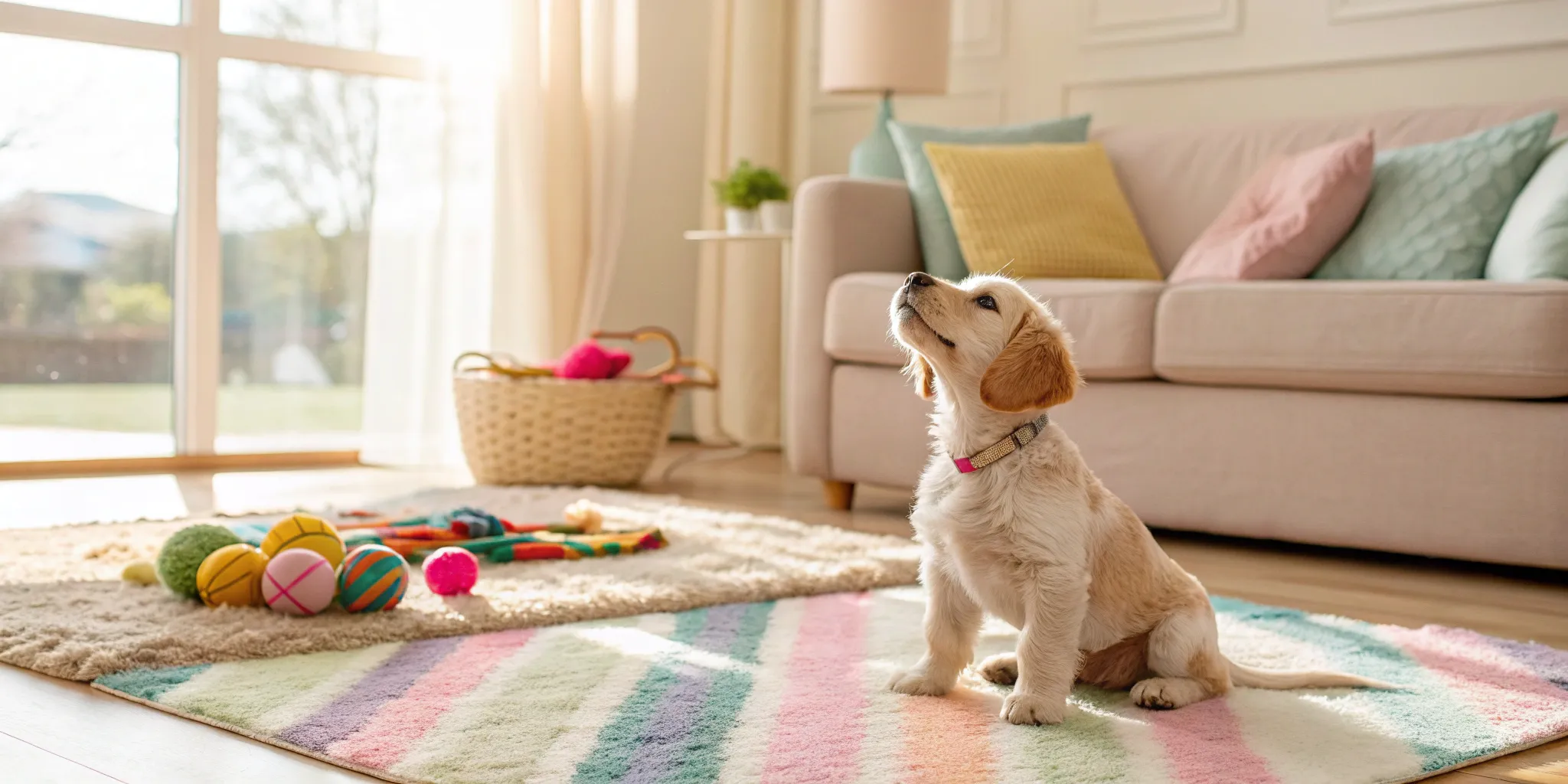

A dog’s ability to fill a home with love has nothing to do with their size. In fact, some of the biggest hearts belong to the tiniest of pups. If you’re ready to experience the unique joy that comes with one of these little companions, you’re in the right place. This guide is a celebration of small toy dog breeds and a practical resource for anyone considering bringing one home. We’ll cover everything from what makes each breed special to how to prepare your space for a pint-sized arrival. Our goal is to help you find the perfect furry friend to complete your family, just like the happy pups in our alumni gallery.
Key Takeaways
- Look Beyond Their Lap-Dog Size: Remember that toy breeds have huge, diverse personalities. Consider your own energy and lifestyle to find a perfect match, whether it’s a feisty Yorkie or a calm Pekingese.
- Prioritize Their Specialized Health Needs: A toy dog’s small frame requires specific care. Establish a routine for dental health, use ramps to protect their delicate joints, and feed them a high-quality diet formulated for small breeds to keep them thriving.
- Set a Foundation for a Happy Life Together: Responsible ownership starts before your puppy comes home. Prepare a realistic budget, puppy-proof your space from their tiny perspective, and partner with a reputable source that prioritizes health and socialization.
What Exactly Is a Toy Dog Breed?
When you hear the term “toy dog,” it’s easy to picture a tiny pup peeking out of a handbag. While that’s part of the charm, there’s so much more to these little companions. Toy dog breeds are a specific category of dogs that have been intentionally bred over generations to be small in size. Unlike sporting or herding dogs bred for a specific job, the primary “work” of a toy breed has always been companionship. Their history is filled with stories of them warming the laps of royalty and keeping city dwellers company for centuries. This long history as beloved pets has shaped them into the deeply devoted and people-oriented dogs they are today.
They come in a wide variety of appearances and temperaments, from the feisty Chihuahua to the elegant Maltese. This means that even within this single category, there’s a perfect match for almost any personality and lifestyle. Whether you’re looking for a playful adventurer or a calm cuddle bug, you can likely find it in a toy breed. The one thing they all have in common is a huge heart and an unwavering loyalty to their families. If you’re curious about which specific pup might be right for you, you can explore our detailed breed information to learn more about their unique traits and what makes each one special.
The Defining Traits of a Toy Dog
Beyond their small stature, the most defining trait of a toy dog is their deep-seated desire for companionship. These dogs were bred to be with people, and it shows in everything they do. They are often incredibly affectionate, loyal, and thrive on being part of the family’s daily activities. This people-centric nature is what makes them so well-suited for a variety of homes, from bustling family houses to quiet city apartments. The American Kennel Club officially recognizes these companion animals in its Toy Group, celebrating their loving and adaptable personalities. They form powerful bonds with their owners and are happiest when they can be right by your side, ready for a cuddle or a shared adventure.
Size and Weight: Just How Small Are They?
So, just how tiny is a toy dog? While there’s some variation, most toy breeds weigh less than 15 pounds. Some, like a delicate Pomeranian, can weigh as little as three or four pounds, while a sturdier Pug might be closer to the upper end of that range. This compact size is one of their biggest advantages. It makes them easy to manage and perfect for owners who may not have a large home or a sprawling backyard. Many popular small dog breeds fall into this category, making them a fantastic choice for those with limited space who still want to experience all the joy of a canine companion. Their small size also makes them great travel buddies.
Big Personalities in Tiny Packages
Don’t let their small size fool you—toy dogs have some of the biggest personalities in the canine world. Many are described as having a “big dog” attitude, full of confidence, spirit, and sometimes a little bit of sass. These Toy dog breeds are often highly intelligent and eager to please, which can make training a fun and rewarding experience. However, their sensitivity means they respond best to positive, gentle guidance. Starting socialization and training early helps them grow into well-behaved, confident adults who are comfortable in a variety of situations. Their vibrant character is a huge part of their appeal, ensuring that life with a toy breed is never, ever boring.
Meet the Most Popular Toy Breeds
Toy breeds are a diverse group, each with its own unique history and personality. While they all share a small stature, their temperaments can range from feisty and bold to calm and cuddly. Getting to know the most popular breeds is the perfect first step in finding the tiny companion who will fit right into your life. Let’s look at some of the favorites we see here at Furrylicious.
Chihuahuas
Don’t let their size fool you—Chihuahuas are the world’s smallest dog breed, but they have some of the biggest personalities around. Confident, enthusiastic, and fiercely loyal to their people, they often take on the role of the household’s tiny ruler. They form incredibly strong bonds with their owners and love being the center of attention. A Chihuahua will happily join you for errands tucked in a bag or curl up on your lap for hours. Their spirited nature makes them entertaining companions who pack a lot of love into a very small package.
Maltese
With their stunning, floor-length white coats and gentle demeanor, the Maltese is a truly elegant companion. This ancient breed has been charming people for centuries and is known for being playful and affectionate, making them wonderful family pets. While they can be vocal, early and consistent training helps them learn when it’s appropriate to use their voice. Maltese are quite intelligent and eager to please, which makes training them a rewarding experience. They thrive on being with their families and are happiest when they can be a part of your daily activities. You can find more breed information to see if this glamorous pup is right for you.
Yorkshire Terriers
Affectionately known as Yorkies, Yorkshire Terriers are a classic toy breed for a reason. Weighing in at seven pounds or less, they are true lap dogs with a feisty and brave spirit inherited from their terrier ancestors. This combination of cuddly and courageous makes them endlessly entertaining. One of their most popular traits is their beautiful, silky, low-allergen coat, which makes them a great choice for many people with allergies. Yorkies are confident and can be a bit bossy, but their devotion to their families is absolute. They are perfect for someone looking for a small dog with a big, bold personality.
Pomeranians
It’s easy to see why Pomeranians are so beloved. With their fluffy double coat, fox-like face, and plumed tail, they look like little teddy bears come to life. Popularized by Queen Victoria, these dogs have a regal air but are incredibly loving and loyal at heart. They are alert and intelligent, which makes them excellent little watchdogs who will always let you know when someone is at the door. Despite their lively nature, they are true cuddle bugs who are happiest when snuggled up with their favorite person. A Pomeranian brings a dose of cheer and devotion to any home.
Toy Poodles
Toy Poodles are the smallest members of the Poodle family, but they share the same remarkable intelligence and good-natured spirit. They are exceptionally smart and easy to train, quickly picking up on commands and tricks. This makes them fantastic companions for first-time dog owners and experienced ones alike. Beyond their brains, Toy Poodles are known for their low-allergen, non-shedding coats, a huge plus for allergy sufferers. They are graceful, proud, and deeply affectionate dogs that form strong bonds with their families. We often have beautiful puppies for sale that fit this description.
Havanese
As the national dog of Cuba, the Havanese is a cheerful and sociable breed born to be a companion. Their playful, energetic nature makes them a joy to be around, and they get along well with children and other pets. Havanese are known for their soft, silky coats and springy gait, which perfectly matches their happy-go-lucky personality. They are also quite intelligent and eager to please, making them trainable and adaptable. While they are energetic, they don’t require extensive exercise, making them a great fit for city dwellers, including those looking for New York puppies.
Affenpinscher
Known for their mischievous and curious nature, the Affenpinscher is often described as having a “monkey-like” expression. Their German name even translates to “monkey-terrier”! Originally bred to hunt rodents, they carry a confident and fearless attitude, often acting much larger than they are. Affenpinschers are loyal, affectionate, and incredibly entertaining. They have a wiry coat and a comical, endearing personality that will keep you on your toes. If you’re looking for a small dog with a huge sense of humor and a bold spirit, the Affenpinscher might just be your perfect match.
Pekingese
The Pekingese carries an air of dignity and importance, a trait that dates back to their time as treasured companions in the Chinese Imperial palace. With their long, luxurious coats and distinctive rolling gait, they are undeniably regal. Despite their royal history, they are loving and affectionate lap dogs who form deep bonds with their owners. Weighing no more than 12 pounds, they are well-suited for apartment living and are content with regular, short walks. A Pekingese is a calm, confident, and incredibly loyal friend for someone who appreciates a dog with a noble yet loving heart.
How to Care for Your Toy Breed
Bringing home a toy breed puppy is an incredibly exciting time. These tiny dogs have so much love to give, and caring for them is a rewarding experience. Because of their small size, they have some unique needs when it comes to exercise, diet, and training. Setting up a great care routine from the start will help your little one live a long, happy, and healthy life. With a bit of knowledge and a lot of love, you’ll be giving your new best friend the best possible care.
Keeping Your Tiny Companion Active
Don’t let their little legs fool you—toy breeds have plenty of energy and need daily activity to stay healthy and happy. Regular exercise helps prevent them from gaining excess weight, which is important for protecting their delicate joints and overall health. A couple of short, brisk walks each day and some dedicated indoor playtime are usually enough to keep them content. Interactive toys, like puzzles and treat-dispensing balls, are fantastic for mental stimulation. You can find a great selection of engaging toys in our pet boutique to keep your pup’s mind and body active.
The Right Diet for a Small Dog
Toy breeds have tiny stomachs and fast metabolisms, which means they do best with small, frequent meals throughout the day instead of one or two large ones. It’s essential to choose a high-quality dog food specifically formulated for small breeds. The kibble size should be small enough for their little mouths to chew comfortably. Always follow the feeding guidelines on the packaging and consult your veterinarian to ensure you’re giving your puppy the right amount of food for their age, weight, and activity level. For more details on what your specific puppy might need, check out our breed information pages.
Keeping Them Looking and Feeling Their Best
Many toy breeds, like the Havanese, Shih Tzu, and Yorkshire Terrier, have beautiful coats that require consistent attention to stay healthy and free of tangles. Daily brushing is a must for these breeds to prevent matting and keep their fur looking its best. It’s also a wonderful way to bond with your puppy. In addition to daily brushing, you’ll want to schedule regular appointments with a professional for trims and upkeep. Establishing a consistent coat care routine early on will make the experience pleasant for both of you for years to come.
Training Your Pint-Sized Pal
Toy breeds are incredibly smart and eager to please, which makes them very trainable. The key is to start early and be consistent. Because some can have a stubborn streak or be a bit sensitive, positive reinforcement is the way to go. Use treats, praise, and toys to reward good behavior. Keep your training sessions short and fun to hold their attention. Patience and a gentle approach will help you build a strong, trusting relationship with your puppy and teach them all the important commands and house rules.
Socializing Your New Puppy
Socialization is one of the most important things you can do for your toy breed puppy. Properly introducing them to new sights, sounds, people, and other friendly animals from a young age helps them grow into confident, well-adjusted adults. It prevents them from becoming fearful or anxious in new situations. Start by creating positive experiences in controlled environments. Invite friends over to meet the puppy, take short car rides, and arrange playdates with vaccinated, gentle dogs. A well-socialized puppy becomes a happy companion, just like the adorable pups in our alumni puppy gallery.
Keeping Your Toy Dog Healthy and Happy
Bringing a tiny puppy into your life is one of the most exciting things you can do. Their small size makes them incredibly endearing, but it also means they have some unique health considerations. Being proactive about their care is the best way to ensure you and your little companion have many happy and healthy years together. Think of it as a partnership—by understanding their specific needs, you can provide the best possible environment for them to thrive. From their tiny teeth to their delicate joints, a little extra attention goes a long way in keeping your toy dog feeling their best.
Why Dental Care Is a Big Deal for Small Dogs
You might not think about it, but your toy breed’s dental health is a cornerstone of their overall wellness. Because their mouths are so small, their teeth can become crowded, creating the perfect place for plaque and tartar to build up. This can lead to dental problems down the road. The best approach is a consistent routine. Try to brush your puppy’s teeth a few times a week with a dog-specific toothpaste and a small brush. You can also find dental chews and toys that help clean their teeth as they play. Regular check-ups with your vet will also help you stay on top of their oral health, ensuring their smile stays as bright as their personality.
Common Health Conditions to Know
Being aware of potential health issues isn’t about worrying—it’s about being an informed and prepared pet parent. Some toy breeds with adorable flat faces, like Pugs or Pekingese, are known as brachycephalic breeds. This can sometimes lead to breathing difficulties, so it’s important to manage their exercise in hot weather. Other conditions to be mindful of in toy breeds include a collapsing trachea, heart issues, and a tendency to gain weight. By working with your vet and choosing a puppy from a responsible source like Furrylicious, you can better understand your specific dog’s needs and create a care plan that keeps them healthy for years to come.
Protecting Their Delicate Joints
Toy dogs love to jump and play, but their tiny frames and delicate joints need a little extra protection. A common issue in small breeds is a condition where their kneecaps can slip out of place, known as a luxating patella. While this sounds serious, it’s often manageable with simple, preventative measures. You can protect their joints by discouraging them from leaping off high furniture like couches or beds. Instead, provide pet stairs or a ramp so they can get up and down safely. Maintaining a healthy weight is also crucial, as extra pounds put unnecessary strain on their little joints. These small adjustments can make a huge difference in their long-term comfort and mobility.
Keeping Them Comfy in Any Weather
Your toy dog’s small body has a harder time regulating its temperature than a larger dog’s. This means you’ll need to help them stay comfortable, whether it’s hot or cold outside. Breeds with thin coats can get chilly easily and will appreciate a stylish sweater or coat during winter walks. You can find adorable and practical options in our pet boutique. On the other hand, flat-faced breeds can overheat quickly in the summer. For them, it’s best to stick to short walks during the cooler parts of the day and always provide access to shade and fresh water. Paying attention to the weather helps ensure your tiny friend is always safe and comfortable.
Proactive Steps for a Long, Healthy Life
With the right care, many toy breeds live well into their teens, offering years of love and companionship. The key is a proactive approach that covers all their needs. Consistent training and early socialization are vital for raising a well-behaved and confident dog who gets along with new people and other pets. Regular visits to the vet for wellness check-ups will help you catch any potential issues early. Most importantly, providing a loving and stable home environment is the foundation for a happy life. By combining proper nutrition, gentle exercise, and plenty of affection, you’re setting your puppy up for a long, wonderful journey by your side. You can find more answers to common questions on our FAQs page.
What It’s Like to Live with a Toy Breed
Bringing a toy breed into your home is an exciting new chapter filled with cuddles, play, and a whole lot of love. These tiny dogs have huge personalities and fit wonderfully into many different lifestyles. Understanding their unique needs is the key to a happy life together, from making your space safe for their small size to ensuring they feel secure when you’re not around. Let’s walk through what you can expect when you share your life with a pint-sized companion.
Puppy-Proofing Your Home for a Tiny Dog
When your new friend is only a few pounds, the world can look a little intimidating. Puppy-proofing for a toy breed means getting on their level—literally. Secure loose electrical cords, cover outlets, and make sure there are no small objects on the floor they could swallow. Some delicate breeds, like Biewer Terriers and Pomeranians, can be injured easily, so it’s important to create safe zones away from heavy foot traffic. If you have children or larger pets, teach them how to play gently and supervise their interactions to ensure your tiny pup feels safe and sound.
Tips for Traveling with Your Companion
One of the best parts of having a small dog is how easy it is to bring them along on your adventures. Their compact size makes them fantastic travel buddies. To make your trips smooth and enjoyable, invest in a comfortable, well-ventilated carrier that’s airline-approved if you plan to fly. Pack a small bag with their essentials: food, water, a collapsible bowl, a favorite toy, and waste bags. Before you leave, check your destination’s pet policies. A little preparation ensures your dog is a welcome and happy guest wherever you go.
Are Toy Breeds a Good Fit for Apartments?
Absolutely! Toy breeds are a popular choice for city dwellers, and for good reason. Their small size and moderate exercise needs make them perfectly suited for apartment living. A daily walk and some indoor playtime are often enough to keep them happy and healthy. They also make wonderful lap dogs, ready to curl up with you after a long day. While some can be prone to barking, consistent training from a young age can help manage this, ensuring you and your neighbors live in harmony. Many of our clients looking for puppies in New York find that a toy breed is the perfect fit for their lifestyle.
Finding the Right Match for Your Family
Toy breeds are known for being incredibly loving, playful, and loyal companions. They often form deep, powerful bonds with their owners and thrive on being part of the family. Because each breed has its own unique temperament, it’s important to find one that complements your household’s energy. Whether you’re looking for a spirited playmate for your active family or a calm companion for a quiet home, there’s a toy breed for you. If you need help finding the perfect puppy, our Puppy Concierge Service can help you find the exact breed and temperament to match your family’s dreams.
Helping Your Dog Feel Secure When You’re Away
Because they bond so closely with their people, some toy breeds can feel anxious when left alone. Pups like the Maltese, Toy Poodle, and Coton de Tulear are true companions and prefer to be by your side. To help your dog feel confident when you’re away, start by leaving them alone for short periods and gradually increase the time. Crate training can provide them with a safe, cozy den of their own. You can also leave them with engaging puzzle toys from our pet boutique to keep their minds busy. These simple steps can prevent separation anxiety and teach your puppy that being alone is okay—and that you’ll always come back.
What to Budget for Your New Puppy
Bringing a new puppy home is one of life’s most exciting moments. As you prepare your heart and home, it’s also important to prepare your finances. Understanding the costs involved helps ensure you can provide the best possible care for your new family member from day one and for all the years to come. Thinking about these expenses ahead of time means you can focus on the fun stuff—like cuddles and playtime—once your tiny companion arrives. Budgeting for a puppy is a key step in responsible pet ownership, setting you both up for a happy and secure future together.
The Initial Investment in Your New Friend
Your first expenses are the one-time costs to get your puppy settled in. The most significant of these is the cost of your puppy. A healthy, well-socialized puppy from a reputable source is an investment, with prices often starting at $3,000. To make this more manageable, we offer convenient financing options. Beyond that, you’ll need to set up your home with all the essentials. This includes a cozy bed, a crate for safe sleeping and training, food and water bowls, a collar or harness, a leash, and of course, plenty of fun toys. You can find a beautiful selection of high-quality items at our pet boutique to get you started.
Ongoing Monthly Care Costs
Once your puppy is home, you’ll have recurring monthly expenses. The biggest one is high-quality dog food, which is essential for a toy breed’s health and energy. Depending on the brand, you can expect to spend between $50 and $100 per month on food. You’ll also want to budget for treats for training and fun, replacement toys (because some will inevitably be loved a little too much), and professional services to maintain their coat and nails. These regular costs are a predictable part of your new budget and are vital for keeping your puppy healthy and happy.
Planning for Vet Visits and Wellness
Your puppy’s health is the top priority, and regular veterinary care is a must. During the first year, your puppy will need a series of vaccinations and check-ups. After that, you should plan for an annual wellness exam, which typically costs between $70 and $100. On top of the exam, you’ll need to budget for yearly vaccinations and preventative medications for fleas, ticks, and heartworm, which can add another $150 to $400 annually. Staying on top of these preventative visits is the best way to catch any potential issues early and ensure your dog lives a long, vibrant life.
Is Pet Insurance Worth It?
While it’s an optional expense, pet insurance can be a lifesaver. Think of it as a financial safety net for the unexpected. Accidents and illnesses can happen, and vet bills for emergencies or specialized treatments can be costly. Having a good insurance plan in place means you can make decisions based on what’s best for your puppy’s health, without worrying about the financial strain. Monthly premiums vary, but the peace of mind that comes from knowing you’re prepared for any situation is often well worth the investment for many puppy parents.
The Lifelong Commitment of Puppy Parenthood
Bringing a puppy into your life is a long-term commitment, often for 15 years or more. The total lifetime cost of caring for a dog can range from around $7,000 to over $12,000, factoring in everything from food to vet care. Being financially prepared for this entire journey is one of the most important responsibilities of a pet owner. It’s a promise to provide a stable, loving, and healthy environment for your companion through every stage of their life. The years of unconditional love, laughter, and companionship you’ll receive in return are truly priceless, as you can see from our happy alumni puppy gallery.
How to Choose the Right Toy Breed for You
Bringing a new puppy home is one of life’s most exciting moments, and choosing the right one is the first step in that beautiful journey. It’s about finding a companion whose personality and needs align with your own. Thinking through your lifestyle, asking the right questions, and finding a source you trust will help you find the perfect tiny friend to welcome into your family.
Does a Toy Breed Fit Your Lifestyle?
The first thing to consider is you! Toy breeds are incredibly adaptable and are known for thriving in apartments and city settings just as much as they do in houses with big yards. They make wonderful lap dogs and are generally easier to manage in smaller spaces. But don’t let their size fool you; these pups have energy and a deep need for companionship. Think about your daily routine. Do you have time for short, regular walks, playtime, and training sessions? Every dog, regardless of size, needs daily care and mental stimulation to be happy. Considering different breed temperaments will help you find a match for your energy level and home life.
What to Look for in Health Screenings
Just like people, certain dog breeds can be predisposed to specific health conditions. For toy breeds, it’s wise to be aware of things like dental issues, since their tiny mouths can lead to crowded teeth, or delicate bone structures. A transparent and responsible source will always be open about the health of their puppies and the puppy’s parents. They should provide clear information on any health screenings performed and offer a health guarantee. This isn’t meant to worry you, but to empower you with knowledge so you can provide the best possible care for your new companion from day one.
Key Questions to Ask Your Breeder
When you visit a potential puppy, it’s your chance to play detective. A great breeder or boutique will welcome your questions and have thoughtful answers. Ask about the puppy’s parents, their temperament, and their health history. Inquire about how the puppies have been socialized so far—have they been around people and other gentle dogs? What does a typical day look like for them? You can also ask about their vaccination and deworming schedule. A reputable source will be proud to share this information and will want to ensure their puppies are going to wonderful, prepared homes. You can find answers to many common questions on our website.
Preparing for Your Puppy’s First Month Home
Once you’ve chosen your puppy, the fun of preparation begins! Your main job is to create a safe, welcoming space. This means puppy-proofing your home by tucking away electrical cords and removing anything they shouldn’t chew on. You’ll want to stock up on essentials before they arrive. Think about a comfortable bed, food and water bowls, a collar or harness, a leash, and plenty of fun, size-appropriate toys. Our pet boutique has a curated selection of premium items perfect for your new arrival. Establishing a routine for feeding, potty breaks, and sleep from the very first day will help your puppy feel secure and adjust quickly.
Finding a Responsible and Loving Source
Where your puppy comes from matters immensely. You want to find a place that is clean, safe, and filled with love and care. When you visit, the puppies should be bright, active, and happy to see you. The staff should be knowledgeable, patient, and genuinely invested in the well-being of each puppy. A responsible source prioritizes the health and socialization of their dogs above all else. They should feel like a partner in your journey, offering support and guidance long after you’ve taken your puppy home. We invite you to look inside Furrylicious to see the warm and caring environment we provide for all our puppies.
Related Articles
- Good Dog Breeds: A Guide to Finding Your Perfect Match
- Hypoallergenic Puppies for Sale: A Buyer’s Guide
- The 5 Best Hypoallergenic Dogs for Families
Frequently Asked Questions
Are toy breeds a good choice for families with children? Many toy breeds make wonderful family pets, but success really comes down to supervision and teaching gentle interactions. Because these dogs are so small and delicate, it’s important that children learn how to handle them safely. Sturdier breeds like the Havanese or Toy Poodle can be fantastic playmates. The key is to always supervise their time together and create a positive environment where both your child and your puppy feel secure and respected.
I’ve heard toy dogs can bark a lot. Is that true? Some toy breeds are naturally alert and can be quick to use their voice to let you know someone’s at the door. However, this is a very trainable behavior. Consistent training and early socialization are the best tools to manage barking. By teaching your puppy what’s worth barking at and what isn’t, and by providing plenty of mental stimulation to prevent boredom, you can easily guide them toward being a quieter companion.
Are toy breeds difficult to house-train? House-training a toy breed isn’t necessarily harder, but it does require a bit more diligence. Their tiny bladders mean they need more frequent potty breaks, especially when they are very young. The secret to success is establishing a consistent routine from day one and using plenty of positive reinforcement. With patience and a predictable schedule, you can absolutely house-train your tiny companion successfully.
How do I know if a toy breed is right for a first-time dog owner? Toy breeds can be an excellent choice for first-time owners. Their intelligence and deep desire to please their people often make them very receptive to training. Plus, their exercise needs are generally more manageable than those of a larger, high-energy dog. As long as you are prepared for the commitment to training, socialization, and their specific health needs, a toy breed can be a wonderful and rewarding first dog.
With so many options, how do I choose the specific toy breed that’s right for me? The best way to choose is to honestly assess your own lifestyle and personality. Think about your activity level, how much time you can dedicate to coat care, and whether you want a feisty, independent dog or a calm, cuddly lap dog. Researching the temperaments of different breeds is a great start. A conversation with a knowledgeable expert who understands the nuances of each breed can also help you find the perfect puppy to match your home and heart.