Is your new puppy dealing with an upset tummy or itchy skin? It’s a common issue, and while there can be many causes, their diet is always a good place to start looking. Sometimes, common grains like wheat or corn found in traditional snacks can be the source of the irritation. Making a simple switch in their routine could make all the difference for their comfort. For many sensitive pups, grain free puppy treats offer a gentle, easily digestible alternative that eliminates common triggers. This guide will walk you through the benefits, what to look for, and how to safely introduce new treats to see if they help your little one feel their best.
Key Takeaways
- Consider Grain-Free for Sensitive Tummies: If your puppy seems to have digestive upset or itchy skin, switching to grain-free treats can be a simple way to provide relief by removing common irritants like wheat and corn.
- Read the Ingredient List, Not Just the Front of the Bag: High-quality treats will always list a real, identifiable protein like chicken or salmon as the first ingredient and will use natural preservatives instead of artificial chemicals and fillers.
- Introduce New Snacks Slowly and in Moderation: To avoid tummy troubles, offer only one new type of treat at a time. Remember that treats should make up no more than 10% of your puppy’s daily calories to keep their main diet balanced.
Why Go Grain-Free with Your Puppy’s Treats?
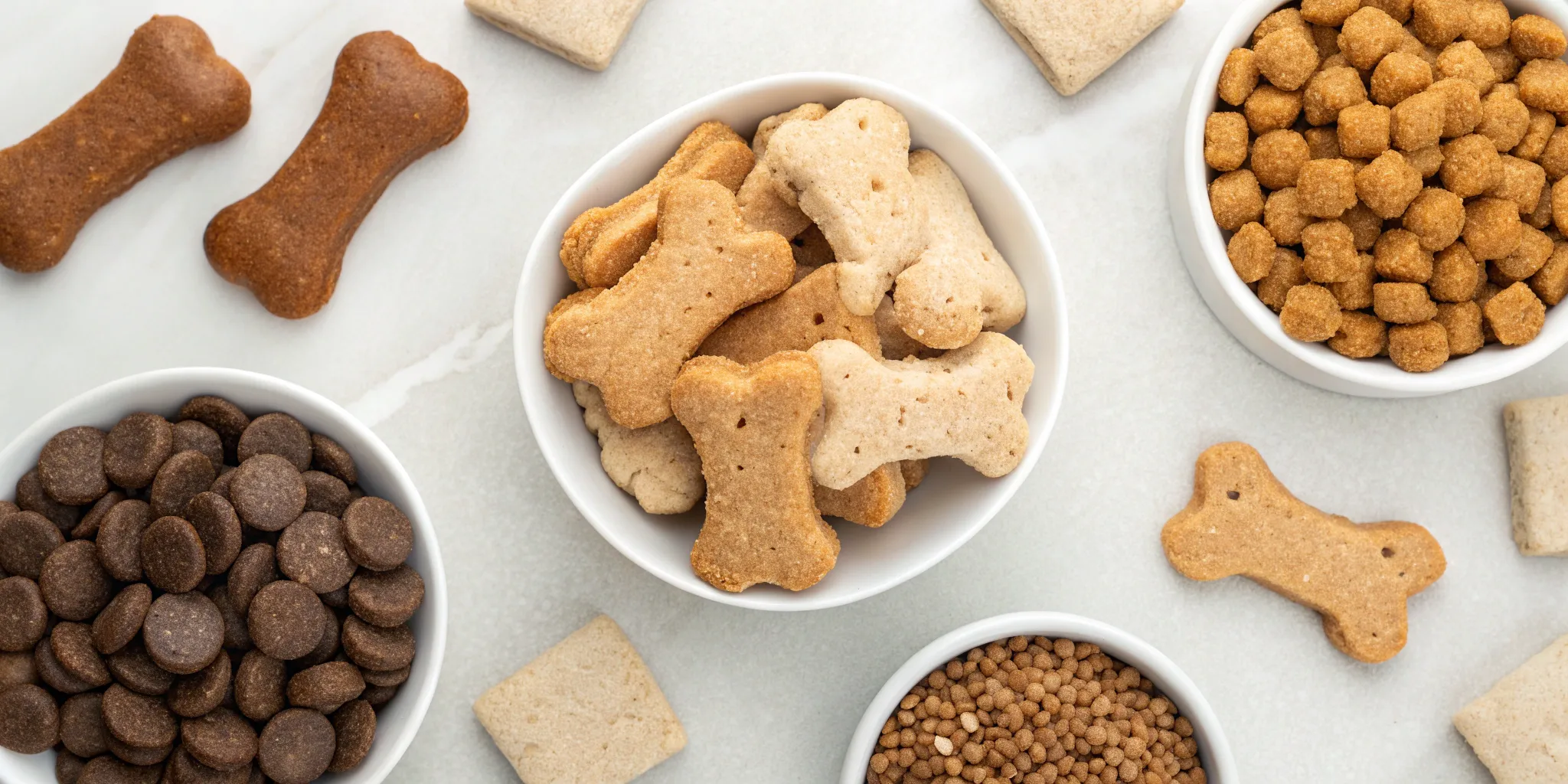
Walking down the pet food aisle can feel overwhelming with all the options, and “grain-free” is a term you’ll see everywhere. So, what’s the deal with it, and is it right for your new puppy? Simply put, grain-free treats are made without common grains like wheat, corn, or soy. Instead, they use alternative sources of carbohydrates like sweet potatoes, peas, or lentils. For many puppies, especially those with sensitive systems, this switch can make a world of difference in their digestion and overall comfort.
It’s not about demonizing grains—many dogs do just fine with them! It’s about finding what works best for your unique little companion. Think of it as another way to personalize their diet. Choosing the right treats is a key part of their training and overall happiness, and understanding the grain-free option helps you make an informed choice. When you’re focused on giving your puppy the best start, paying attention to what’s in their treats is just as important as what’s in their food bowl. At our pet boutique, we see so many new puppy parents from New Jersey and New York looking for the best for their new family member, and grain-free is often a fantastic place to start exploring high-quality, nutritious options.
Gentle on Sensitive Tummies
Just like people, some puppies have digestive systems that are easily upset. Grains, particularly wheat and corn, can sometimes be the culprit behind an unhappy tummy. If you notice your pup seems a bit off after snack time, a grain-free treat could be a gentler alternative. Many dogs have intolerances to grains that can lead to discomfort. By removing these common triggers, grain-free treats can be much easier for your puppy to digest, leading to a happier pup all around. It’s a simple switch that can offer a lot of relief for a sensitive little stomach.
A Smart Choice for Food Allergies
While a food intolerance usually involves digestive upset, a true food allergy is an immune system response that can cause symptoms like itchy skin, ear infections, or hives. Grains are one of the more common allergens for dogs. If your veterinarian suspects a food allergy, they might recommend an elimination diet, and grain-free treats are a perfect fit for that process. High-quality, balanced, grain-free options can be a healthy choice for puppies with confirmed grain sensitivities. It gives you peace of mind knowing you’re not giving them something that could trigger a reaction.
More Protein for Healthy Growth
Puppies are little bundles of energy, and they need plenty of high-quality protein to fuel their growth and build strong muscles. When treat makers leave out grains, they often replace them with more protein-rich ingredients. Grain-free treats frequently feature real meat, poultry, or fish as the first ingredient. This means you’re giving your pup a snack that’s not just tasty, but also packed with the essential building blocks their growing body needs. These treats often contain fewer preservatives and more natural ingredients, providing a powerful nutritional punch in every bite, which is incredibly beneficial for a puppy’s development.
What to Look for in a Quality Grain-Free Treat
Navigating the treat aisle can feel overwhelming, but finding the perfect grain-free snack for your puppy is easier when you know what to look for. Not all treats are created equal, and the best ones are packed with high-quality ingredients that support your new friend’s growth and development. Think of it like reading a food label for yourself—you want to see real, whole foods at the top of the list. By focusing on a few key markers of quality, you can confidently choose a treat that’s both delicious and nutritious for your sensitive pup.
Real Protein Should Be the First Ingredient
Always flip the package over and scan the ingredient list. The very first item should be a real, recognizable protein source like chicken, beef, salmon, or lamb. This tells you the treat is built on a foundation of high-quality protein, which is essential for your puppy’s muscle development. Steer clear of treats that list vague terms like “meat by-products” or fillers like corn and soy at the top. These offer little nutritional value and can sometimes upset a puppy’s stomach. A treat with a strong protein start is a great sign you’re holding a quality product.
Packed with Wholesome Fruits and Veggies
The best grain-free treats don’t just remove grains; they replace them with something beneficial. Look for treats that include wholesome fruits and vegetables like sweet potatoes, carrots, blueberries, or apples. These ingredients provide natural flavor and are packed with essential vitamins, minerals, and antioxidants that contribute to your puppy’s overall health. This thoughtful combination ensures your puppy is getting a well-rounded snack, not just an empty-calorie treat. You can learn more about your puppy’s specific nutritional needs on our breed information pages.
Made with Natural Preservatives
Take a moment to check how the treats are kept fresh. High-quality options use natural preservatives like tocopherols (a form of vitamin E) or rosemary extract. Artificial preservatives such as BHA, BHT, or ethoxyquin can be harsh on a puppy’s developing system and may cause adverse reactions in sensitive dogs. Choosing treats with natural preservatives is a simple way to avoid unnecessary chemicals and stick to a more wholesome diet for your new companion. It’s a small detail that makes a big difference in the overall quality of the treat.
Check for AAFCO Approval and Safety Seals
While you’re checking the ingredients, look for a statement indicating the treat meets the nutritional standards set by the Association of American Feed Control Officials (AAFCO). This seal of approval means the treat is formulated to be a safe and balanced part of your dog’s diet. While treats aren’t a full meal, this label provides an extra layer of confidence in the product’s quality. And remember, it’s always a great idea to chat with your veterinarian before introducing any new food or treats into your puppy’s diet.
Find the Right Size and Texture for Your Pup
Finally, consider your puppy’s size and age. A tiny Yorkie puppy has very different needs than a larger Goldendoodle. Choose treats that are appropriately sized to prevent any choking hazards. For young puppies with baby teeth, soft and chewy treats are often easier and safer to eat. As they get older, you can introduce crunchier options that help clean their teeth. Our pet boutique in New Jersey offers a variety of options, and our team is always happy to help you find the perfect size and texture for your specific puppy.
Our Favorite Grain-Free Puppy Treats
Finding the perfect treat for your new puppy can feel like a big task, especially when you’re navigating sensitive tummies. The good news is, there are so many wonderful grain-free options out there that are both delicious and gentle. We’ve gathered a few of our favorites to help you get started. You can find many of these brands online or by stopping by a specialty pet boutique right here in New Jersey to see them for yourself.
Blue Buffalo Wilderness Trail Treats
If you’re looking for a crunchy, high-protein snack, Blue Buffalo Wilderness Trail Treats are a fantastic choice. They’re made with real meat as the first ingredient, which is exactly what you want to see for a growing pup. These treats are packed with omega fatty acids and antioxidants to support your puppy’s overall health and give their coat a beautiful shine. Plus, with tasty flavors like bison, salmon, and turkey, you can switch things up to keep your little one excited for treat time. They’re a satisfying and healthy reward after a good training session and are great for puppies who love a good crunch.
Merrick Grain Free Kitchen Bites
Merrick brings a taste of a home-cooked meal to treat time with their Grain Free Kitchen Bites. These small, crunchy snacks are made in the USA with real, wholesome ingredients and no artificial preservatives. What I love most are the fun, comforting flavors like Grammy’s Pot Pie, which makes rewarding your puppy feel extra special. They’re a great way to give your new best friend a delicious, high-quality snack that you can feel good about. Because they are small and crunchy, they work well as a quick reward that won’t spoil your puppy’s dinner. It’s a simple recipe for a happy pup.
Wellness Natural Pet Food Petite Treats
For the tiniest members of your family, Wellness Natural Pet Food Petite Treats are perfectly sized. These chewy little bites are designed specifically for small breeds and puppies, making them easy for little mouths to handle. They are lower in calories but still high in protein, so you don’t have to worry about overdoing it during training. With unique flavor combinations like turkey and pomegranate and the addition of flaxseed for a healthy coat, these treats are a powerhouse of nutrition packed into a tiny, tasty package. They are an excellent choice for toy and small breed puppies who need a smaller bite.
Buddy Biscuits Grain-Free Soft & Chewy
Sometimes a puppy just prefers a softer snack, and that’s where Buddy Biscuits Grain-Free Soft & Chewy treats shine. These are an excellent choice for puppies with potential allergies, as they are made without common irritants like wheat, corn, or soy. They’re also low in calories and fat, making them a guilt-free reward you can give frequently during those important early training days. With classic, pup-approved flavors like peanut butter, beef, and chicken, these chewy morsels are sure to become an instant favorite. Their soft texture also makes them great for older puppies or those with sensitive teeth.
Zuke’s Lil’ Links Grain-Free Training Treats
Training a new puppy requires a lot of positive reinforcement, and Zuke’s Lil’ Links Grain-Free Training Treats are made for the job. These small, sausage-style links are packed with real meat and nutrient-rich veggies like apples and carrots. They are completely free from corn, wheat, soy, and any artificial ingredients, so you know you’re giving your pup the good stuff. Their small size and meaty texture make them an irresistible, high-value reward that will keep your puppy focused and eager to learn their next command. You can easily break them into smaller pieces for longer training sessions.
Natural Balance Limited Ingredient Diets
When your puppy has multiple food sensitivities, finding a safe treat can be a challenge. Natural Balance Limited Ingredient Diets treats are the perfect solution. Each recipe is made with 10 or fewer ingredients, which seriously simplifies things if you’re trying to avoid specific allergens. These savory treats are also independently tested for quality and safety, giving you extra peace of mind. With unique protein sources like duck and bison, you can offer your sensitive pup a delicious reward without worrying about upsetting their stomach. They are a trusted choice for pet parents managing food allergies.
Are Grain-Free Treats Always the Healthiest Option?
Grain-free treats have become incredibly popular, and for good reason—they can be a fantastic choice for puppies with specific food sensitivities. But it’s smart to remember that “grain-free” doesn’t automatically equal “healthier.” The best diet is one that’s tailored to your unique puppy’s needs. Before you commit entirely to a grain-free lifestyle for your new friend, it’s helpful to understand the complete picture, including some of the ongoing conversations among vets and nutrition experts.
Understanding the Link to DCM Heart Disease
You may have heard discussions about a potential link between certain grain-free diets and a heart condition called canine dilated cardiomyopathy (DCM). While this topic has received a lot of attention, it’s important to know that the connection is still being studied and nothing has been proven definitively. The issue appears to be more complex than simply the absence of grains. The best thing you can do is stay informed and choose high-quality foods from reputable brands. If you ever have concerns about your puppy’s diet or heart health, a conversation with your veterinarian is the best way to get personalized advice.
How to Spot Nutritional Imbalances
A healthy puppy needs a complete and balanced diet to grow strong, and grains are not the enemy. In fact, removing them without replacing their nutritional value can sometimes lead to imbalances. Dogs are omnivores, and a well-formulated food that includes grains can provide essential nutrients. When choosing any treat or food, grain-free or not, check that it’s made with high-quality ingredients and is properly balanced. A diet that lacks the right vitamins and minerals won’t give your puppy the foundation they need to thrive. Always look for brands that prioritize nutritional science in their formulas.
Know When Grains Might Actually Be Good
For the vast majority of puppies who don’t have a specific grain allergy or sensitivity, whole grains can be a wonderful part of their diet. Ingredients like brown rice, oatmeal, and barley are excellent sources of energy, fiber, and vital nutrients like B vitamins. For many active, growing pups, these healthy grains contribute positively to their overall well-being. The bottom line is that there’s no single “best” diet for every dog. The goal is to find what helps your individual puppy feel their best, whether that includes grains or not.
Ingredients to Avoid in Any Puppy Treat
Choosing the right treat is just as much about what you leave out as what you put in. A flashy, colorful package doesn’t always mean a healthy snack is inside. Becoming a savvy label-reader is one of the best skills you can develop as a new puppy parent. When you’re browsing the aisles of our pet boutique or any other store, there are a few red-flag ingredients you should always watch for. Steering clear of these will help keep your puppy’s tail wagging and their tummy happy, ensuring that treat time is always a positive experience for both of you.
Artificial Additives and Chemical Preservatives
The first things to scan for on an ingredient list are artificial additives and chemical preservatives. Words like BHA, BHT, ethoxyquin, and artificial dyes (like Red 40 or Blue 2) are signs of a lower-quality treat. These ingredients are often used to extend shelf life or make treats look more appealing, but they offer no nutritional value and can cause adverse reactions in puppies, especially those with sensitive systems. Instead, look for treats that use natural preservatives like tocopherols (vitamin E), vitamin C, or rosemary extract. A simple, clean ingredient list is always a better choice for your new best friend.
Common Allergens Besides Grains
While you might be focused on finding a grain-free option, don’t forget that other common allergens can sneak into puppy treats. Ingredients like dairy, eggs, soy, and even certain proteins like beef or chicken can trigger sensitivities in some dogs. If you notice your puppy is itchy, has an upset stomach, or shows other signs of a food allergy after eating a new treat, one of these ingredients could be the culprit. Reading labels carefully is essential. If you suspect your puppy has a specific food sensitivity, choosing limited-ingredient treats can make it easier to pinpoint and avoid the problem ingredient.
Low-Quality Fillers and By-Products
Not all grain-free treats are created equal. Some brands replace grains with healthy, nutrient-rich ingredients like sweet potatoes, peas, or chickpeas. Others, however, use cheap, low-quality fillers and vague “meat by-products” that don’t provide the nutritional benefits your growing puppy needs. Be wary of ingredient lists that feature generic terms like “meat meal” or “animal by-products” without specifying the source. You want to see whole, high-quality ingredients at the top of the list. Opting for treats that prioritize real, identifiable proteins and vegetables will give you peace of mind and support your puppy’s long-term health.
How to Introduce New Treats to Your Puppy Safely
Bringing home a new puppy is an exciting time, and spoiling them with tasty treats is one of the best parts. But your puppy’s digestive system is still developing, so introducing new foods requires a little patience and care. A slow and steady approach helps you identify any potential sensitivities and keeps their tummy happy. Before you open that new bag of grain-free goodies, it’s smart to have a plan. By following a few simple steps, you can make treat time a safe, fun, and rewarding experience for both of you. This ensures that treats remain a positive tool for training and bonding, without causing any digestive upset.
Start Small and Watch for Any Reactions
When you introduce a new treat, always start with a very small piece. Think of it as a taste test. After giving your puppy the tiny sample, wait 24 to 48 hours and keep a close eye on them. You’re looking for any signs of an upset stomach, like loose stools or vomiting, or skin issues like excessive scratching or redness. If you notice any of these reactions, that treat probably isn’t the right fit. Every puppy is different, and some have more sensitive systems than others. If you ever suspect a food allergy or have concerns about your puppy’s diet, it’s always best to chat with your veterinarian. They can provide guidance tailored to your pup’s specific breed information and health needs.
Transition to New Treats Gradually
Just like you wouldn’t overhaul your own diet overnight, you shouldn’t suddenly flood your puppy’s system with a bunch of new snacks. Introduce only one new type of treat at a time. This way, if your puppy does have a negative reaction, you’ll know exactly what caused it. Puppies thrive on routine, and their digestive systems do, too. They are used to eating small, frequent meals, and a gradual introduction to new treats follows that same principle. Once you’ve confirmed a treat agrees with them after the initial small test, you can slowly incorporate it into their routine. This careful process helps their system adjust and prevents any unnecessary tummy troubles while you explore all the fun options in our pet boutique.
Keep Treat Portions Under Control
Treats are a fantastic tool for training and bonding, but they should be given in moderation. A good rule of thumb is the 10% rule: treats should make up no more than 10% of your puppy’s total daily calorie intake. Your puppy’s main food is specially formulated with the essential nutrients they need to grow strong and healthy, and too many treats can throw that balance off and lead to unwanted weight gain. To make treats last longer during training sessions, break them into smaller pieces. Your puppy will be just as happy with a tiny morsel, and you can keep their diet on track. If you’re ever unsure about portion sizes, our team is always here to help answer your FAQs.
What Should You Expect to Pay for Good Treats?
When you’re shopping for your new puppy, it’s easy to get sticker shock from some of the high-quality treat options. But a higher price often reflects better ingredients and a healthier snack for your furry friend. Let’s break down how to think about cost so you can give your pup the best without overspending.
Focus on Value, Not Just the Price Tag
It’s helpful to think about treats as an investment in your puppy’s health. Premium grain-free treats might cost a bit more, but that’s usually because they’re made with real, whole-food ingredients and have fewer preservatives. For puppies with sensitive stomachs or potential allergies, this is a huge plus. Many popular grain-free dog treats are a great choice because they skip the cheap fillers in favor of ingredients that are genuinely good for your pup. When you choose a treat packed with nutritional value, you’re not just giving a reward—you’re contributing to their overall well-being.
How to Shop Smart on a Budget
Finding high-quality treats doesn’t have to mean emptying your wallet. You can find excellent options by looking for brands that prioritize simple, natural ingredients. For example, some companies focus on creating gluten-free dog food toppings and treats with ingredients sourced right here in the U.S. This gives you peace of mind about what your puppy is eating. Another smart move is to visit a local shop, like our pet boutique in New Jersey, where you can get personalized recommendations from staff who know the products inside and out. They can point you toward the best-value options for your puppy’s specific needs.
Save Money with Bulk Buys and Subscriptions
Once you find a grain-free treat your puppy loves, look for ways to save on future purchases. Buying in bulk is often a great way to lower the cost per treat. Many online retailers and brands also offer subscription or autoship services that come with a discount. Companies like Open Farm provide deals for customers who sign up for regular deliveries, which is a convenient way to keep your pantry stocked and save money at the same time. It’s a simple strategy that ensures you never run out of your puppy’s favorite healthy snack.
Where to Find the Best Grain-Free Puppy Treats
Once you know what to look for in a grain-free treat, the next step is finding the perfect place to shop. Whether you love the convenience of online shopping or prefer the personal touch of a local store, there are plenty of fantastic options available. High-quality, healthy treats are more accessible than ever, so you can easily find something your new puppy will love. From subscription services that deliver right to your door to charming local shops, here’s where you can find the best grain-free treats for your furry friend.
Explore Online Retailers and Subscriptions
The internet makes it incredibly easy to find specialized puppy treats. For busy pet parents, online retailers offer a huge selection and the convenience of home delivery. Brands like Portland Pet Food Company are a great choice, as they focus on all-natural, US-sourced ingredients that are both grain-free and gluten-free. Another excellent option is Open Farm, which is known for its commitment to transparency and allows you to trace every ingredient back to its source. Many online stores also offer subscription services, so you can set up automatic deliveries and never run out of your puppy’s favorite snacks.
Visit a Local Pet Boutique in New Jersey or New York
If you prefer a more hands-on shopping experience, visiting a local pet boutique is a wonderful option. Shopping in person allows you to read labels up close and get personalized recommendations from knowledgeable staff. For families in New Jersey and New York, stopping by a specialty pet boutique like ours at Furrylicious is a great way to discover curated, high-quality products. Local shops often stock a thoughtful selection of treats designed for puppies with sensitivities, reflecting the growing demand for grain-free options among pet owners. It’s a perfect opportunity to support a local business while finding the ideal treat for your new companion.
Tips for Finding Great Deals and Promotions
Keeping your puppy happy with healthy treats doesn’t have to break the bank. Many online retailers offer great ways to save. Look for brands that provide free shipping on orders over a certain amount, which can significantly cut down on costs. You can also find discounts by signing up for a subscription or Autoship program, which often comes with a percentage off each order. Don’t forget to sign up for email newsletters from your favorite online stores and local boutiques. This is one of the best ways to get notified about special promotions, seasonal sales, and exclusive coupons for your next purchase.
Related Articles
- Top 6 Premium Dog Foods for Small Breeds
- The Best High-Quality Puppy Food: An Expert Guide
- 5 Best Vet Recommended Puppy Foods for a Healthy Pup
- The Ultimate Guide to Premium Puppy Dog Food
- Dog Food Brands to Avoid & What to Buy Instead
Frequently Asked Questions
Does my puppy actually need to eat grain-free treats? Not every puppy needs to go grain-free, but it can be a fantastic choice for those with sensitive stomachs or potential food allergies. Think of it as an option rather than a requirement. If your puppy seems to have digestive upset or itchy skin, switching to grain-free treats is a simple first step to see if common grains are the cause. For puppies without sensitivities, high-quality treats that include healthy grains are perfectly fine. The goal is to find what makes your individual puppy feel their best.
I’ve heard grain-free diets might be linked to heart problems. Are these treats safe? This is a valid concern, and it’s smart to be informed. The discussion around grain-free diets and a heart condition called DCM is complex, and research is still ongoing. The issue seems to be related to how some foods are formulated, not just the absence of grains. Since treats only make up a small portion of your puppy’s daily diet, the risk is considered very low. The best approach is to choose treats from reputable brands that prioritize high-quality ingredients and to always ensure your puppy’s main food is complete and balanced.
When I’m looking at a package, what’s the most important thing to check on the label? Always check the first ingredient. You want to see a real, specific protein source listed first, like “chicken,” “salmon,” or “beef.” This tells you the treat is built on a foundation of quality protein, which is essential for a growing puppy. If the first ingredient is a filler like corn, a vague term like “meat by-products,” or something you can’t pronounce, it’s best to put that bag back on the shelf.
How can I tell if a new treat is upsetting my puppy’s stomach? When you introduce a new treat, start with a very small piece and then wait a day or two. Look for subtle changes in their behavior or digestion. The most common signs of an upset stomach are loose stools, gas, or vomiting. You might also notice skin issues like excessive scratching or redness. If you see any of these signs, that particular treat probably isn’t a good match for your pup’s system.
How many treats are too many for my puppy, especially during training? A great guideline to follow is the 10% rule, which means treats should not make up more than 10% of your puppy’s total daily calories. During training sessions where you’re giving lots of rewards, break the treats into tiny, pea-sized pieces. Your puppy will be just as motivated by a small morsel, and you can make one treat last for several commands. This keeps them focused without spoiling their dinner or disrupting their balanced diet.