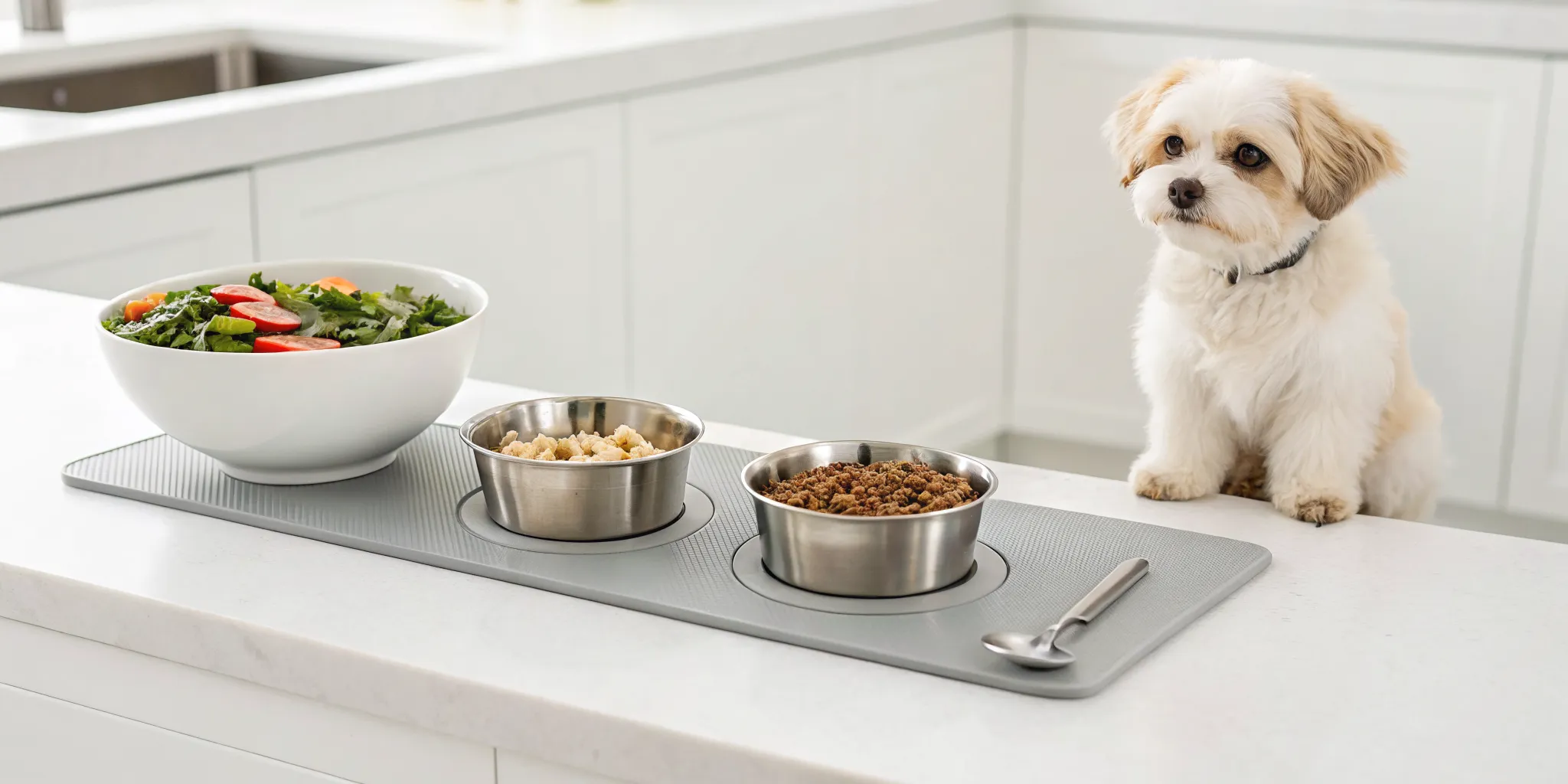
It’s a common misconception that a tiny puppy needs just a tiny amount of food. In reality, their little bodies are powerhouses of growth, working overtime to build strong bones, a healthy brain, and all the energy needed for endless play. Their nutritional needs are incredibly intense during their first year. Providing the right nutrients at the right time is one of the most important things you can do for their long-term health. This is where a consistent routine becomes your most valuable tool. We’ll break down the ideal small breed puppy feeding schedule to support their rapid development every step of the way.
Key Takeaways
- Choose food for their tiny bodies: Your puppy’s body works overtime, so always select a food labeled “for small breed puppies.” This ensures every bite is packed with essentials like high-quality protein for muscle, DHA for brain health, and comes in a small kibble size that’s safe for their little mouths.
- Structure is your best friend: Create a predictable daily routine by serving measured meals at the same times each day. Start with four small meals for a young puppy, then transition to three, and finally two as they grow. This simple habit helps regulate their digestion and makes your house-training efforts much more successful.
- Be an observant food detective: Think of the feeding chart on the bag as a starting point, not a strict rule. Use the hands-on rib and waist check to monitor their body condition and adjust portions accordingly. Plan to gradually switch to an adult formula around their first birthday, when their growth starts to slow down.
Why Small Puppies Have Big Nutritional Needs
It’s easy to look at a tiny puppy and assume their food needs are just as small. But the opposite is true. Small breed puppies are little powerhouses of growth, and their bodies are working overtime to build everything from strong bones to a healthy brain. During their first year, they go through an incredible transformation, and that process requires a very specific, high-quality diet. Their nutritional needs are completely different from those of an adult dog, so getting their food right from day one is one of the most important things you can do for their long-term health.
Their Tiny Tummies and Speedy Metabolisms
Think of your small puppy as having a tiny fuel tank but a super-fast engine. Their stomachs can’t hold much food at once, yet their metabolisms are running at full speed to support their rapid growth. This means they burn through calories incredibly quickly. To keep them properly fueled, they need nutrient-dense meals packed with everything their developing bodies require. Every bite has to count, providing the building blocks for strong muscles, a sharp mind, and healthy organs. You can learn more about the specific needs of different pups in our breed information guide.
Because of this unique combination of a small tummy and high energy needs, you can’t just feed them any dog food. A formula designed specifically for small breed puppies ensures they get concentrated nutrition without overloading their delicate digestive systems.
Watching for Low Blood Sugar (Hypoglycemia)
That speedy metabolism we just talked about can sometimes lead to a condition called hypoglycemia, which is a sudden and dangerous drop in blood sugar. Toy and small breed puppies are especially susceptible because they have such limited fat reserves to store energy. This can happen if they go too long between meals or aren’t eating enough. Signs of hypoglycemia can include weakness, lethargy, stumbling, or even shivering. It’s a serious concern, but thankfully, it’s also preventable with the right feeding strategy.
The key is to feed your puppy smaller meals more frequently throughout the day. This approach provides a steady stream of energy, keeping their blood sugar levels stable. Sticking to a consistent schedule is your best defense against hypoglycemia. If you ever have concerns about your puppy’s health, our FAQs page offers helpful guidance, but always consult your veterinarian first.
Building Strong Bones: The Calcium-Phosphorus Balance
Your puppy’s skeleton grows at an astonishing rate, and building strong, healthy bones requires a precise nutritional formula. It’s not just about getting enough calcium; it’s about the delicate balance between calcium and phosphorus. High-quality puppy foods are carefully formulated to provide these minerals in the perfect ratio for optimal bone development. Giving your puppy adult dog food too soon can disrupt this balance, potentially leading to skeletal problems down the road.
Beyond bone health, a “complete and balanced” puppy food delivers other essential nutrients. Look for high-quality protein to build muscle, DHA (an omega-3 fatty acid) for brain and eye development, and the right amount of fat for energy. We stock premium foods and treats in our pet boutique that are specifically chosen to meet these important requirements for small puppies.
What’s the Best Food for a Small Breed Puppy?
Walking down the pet food aisle can feel overwhelming, but choosing the right food for your new puppy doesn’t have to be complicated. Your tiny companion has unique nutritional needs that are very different from those of a larger dog. Providing the right foundation from day one sets them up for a long, healthy, and happy life. Let’s break down exactly what to look for in your puppy’s food so you can feel confident you’re making the best choice for your new family member.
Look for Small Breed Puppy Formulas
First things first, always choose a food specifically labeled “for small breed puppies.” This isn’t just a marketing gimmick. Small and toy breeds grow much faster than larger breeds, and their little bodies require nutrient-dense food to keep up. Because their stomachs are so small, they can’t eat large quantities in one sitting. A small breed puppy formula packs all the essential nutrition they need into smaller, concentrated portions. This ensures they get everything required for healthy development without overloading their tiny tummies. You can learn more about your specific puppy’s needs by checking out our breed information guides.
Must-Have Nutrients: Protein, DHA, Fat, and Calories
When you check the label, you’ll want to see a few key ingredients. High-quality protein should be at the top of the list to support strong muscle development. Look for DHA, an omega-3 fatty acid that is vital for healthy brain and eye function. Your puppy also needs the right amount of fat and calories to fuel their high energy levels. Puppy food is specially formulated with more of these nutrients than adult dog food. It also contains a precise balance of calcium and phosphorus, which is crucial for building strong bones and teeth. Our pet boutique is stocked with premium foods that meet these important requirements.
Wet vs. Dry Food: What’s the Right Choice?
The great debate: wet food or dry kibble? The good news is, there’s no single right answer. You can feed your puppy dry food, wet food, or a combination of both. Dry kibble is great for dental health and is often more convenient and budget-friendly. On the other hand, wet food has a high moisture content, which helps with hydration, and its strong aroma can entice picky eaters. Many owners find that mixing a little wet food into their puppy’s kibble is the perfect solution. It makes mealtime more exciting and ensures your puppy gets the benefits of both.
Why Kibble Size Is a Big Deal
Have you ever noticed how tiny the kibble is in a small breed puppy formula? There’s a very important reason for that. Your puppy’s small mouth and developing teeth can’t handle large, hard pieces of food. Big kibble can be difficult for them to chew properly and can even pose a choking hazard. Choosing a food with small, bite-sized kibble ensures your puppy can eat comfortably and safely. This is another reason why sticking to a formula designed for small breeds is so important, as the kibble size is made just for them. It’s one of the many details to consider when bringing home one of our puppies for sale.
Ingredients to Skip
As tempting as it is to share your dinner with those adorable puppy eyes, it’s best to avoid giving your puppy most human foods. Commercial puppy food is carefully balanced to provide everything your little one needs. Many human foods lack the proper nutrients and can cause an upset stomach or, in some cases, be toxic. Foods like chocolate, grapes, onions, and anything with the artificial sweetener xylitol are especially dangerous for dogs. Sticking to their specially formulated puppy food and designated puppy treats is the safest and healthiest approach. You can find more answers to common questions on our FAQs page.
Your Puppy’s Feeding Schedule by Age
A puppy’s dietary needs change almost as quickly as they grow. What works for a tiny four-week-old won’t be enough for a rambunctious four-month-old. Establishing a consistent feeding schedule from day one is one of the best things you can do for your new family member. It helps with house training, manages their energy, and ensures they get the right nutrition at every critical growth stage. Let’s walk through what your small puppy’s feeding routine should look like month by month.
Newborn to 4 Weeks: Mom’s Milk Is Best
During the first few weeks of life, a puppy’s world revolves around their mother. Her milk provides the perfect blend of nutrients, antibodies, and hydration they need to thrive. At this stage, puppies need to eat every two to three hours, and their mother’s milk is the only thing on the menu. If for some reason a puppy is separated from its mother, a special puppy milk replacer is necessary to provide this round-the-clock nourishment. At Furrylicious, we ensure all our puppies spend this essential time with their mothers, getting the best possible start in a safe and loving environment.
4 to 8 Weeks: Introducing Solid Food
Around four weeks old, puppies are ready to start exploring solid food. This is the weaning period, where they gradually transition from milk to puppy food. We start by offering them a soft, mushy meal made from high-quality puppy food mixed with water or milk replacer. This “gruel” is easy for their tiny mouths and developing digestive systems to handle. They’ll still be nursing from their mom, but these four or five small, mushy meals a day help them get accustomed to their new diet. It’s a messy but crucial step toward becoming a big kid!
8 to 12 Weeks: Four Meals a Day
This is often when you’ll bring your new puppy home, and by now, they should be fully weaned and eating solid puppy kibble. Your small breed puppy is a little ball of energy, and their body is growing at an incredible rate. To support this, they need to eat four small, scheduled meals per day. This consistent schedule helps keep their blood sugar levels stable, which is especially important for tiny breeds. Spreading their meals out prevents their little tummies from getting too full at once and gives them the steady fuel they need for playing, napping, and learning. This is the perfect age to find your new best friend among our available puppies for sale.
3 to 6 Months: Time for Three Meals
As your puppy’s stomach capacity increases, you can reduce their meal frequency. Sometime during this period, you can transition from four meals a day down to three. You’ll feed them breakfast, lunch, and dinner at consistent times each day. Your puppy is likely experiencing a major growth spurt, so sticking to a high-quality, small-breed puppy formula is essential. This predictable routine not only supports their physical development but also helps with house training, as you’ll have a better idea of when they’ll need to go outside. You can learn more about your puppy’s specific development by exploring our breed information guides.
6 to 10 Months: Time for Two Meals a Day
Welcome to puppy adolescence! Your puppy’s growth rate will begin to slow down, and their nutritional needs will start to change. This is the perfect time to transition from three meals to just two: one in the morning and one in the evening. This twice-a-day schedule is what most adult dogs follow, so you’re setting them up for their long-term routine. Continue to measure their food carefully to prevent overfeeding as their caloric needs decrease. Maintaining a lean, healthy body condition is key to protecting their developing joints and setting them up for a long, active life.
10 to 12 Months: Prepping for an Adult Schedule
By the time your small breed puppy is approaching their first birthday, they are likely on a solid two-meal-a-day schedule and have reached about 80% of their adult size. Small breeds mature much faster than their larger counterparts, and this is the age when you can start planning the switch from puppy food to an adult dog formula. For now, keep them on their puppy food and their twice-daily schedule. Make sure you have the right supplies, like sturdy food and water bowls, from our pet boutique to keep your routine running smoothly.
How Much Should You Feed Your Small Puppy?
Figuring out the perfect portion size for your tiny new friend can feel like a puzzle. You want to make sure they get enough nutrients to grow strong and healthy, but not so much that they gain unhealthy weight. The good news is that you don’t have to guess. By combining a little information from your puppy, their food label, and your vet, you can create a feeding plan that’s just right for them.
Start with Your Puppy’s Body Weight
The first piece of the puzzle is your puppy’s current weight. How much food your puppy needs is directly related to their size, age, and overall body condition. A veterinarian can help you understand your puppy’s “body condition score,” which is a formal way of assessing their body fat. This score gives you a baseline for whether your puppy is underweight, overweight, or just right. Knowing your puppy’s specific breed information also helps, as it gives you a better idea of their expected adult size, a key factor in many feeding calculations.
Check the Food Label’s Feeding Guide
Once you know your puppy’s weight, your next stop is the feeding chart on their puppy food bag. It’s essential to use the guide on the specific food you’re serving, as nutrient levels and calorie counts vary widely between brands. These charts typically show the recommended daily amount based on your puppy’s current age and their estimated adult weight. Remember, these are just starting points. Think of the feeding guide as a well-informed suggestion, not a strict rule. You’ll still need to observe your puppy and adjust as they grow. Our pet boutique is stocked with high-quality foods designed for small puppies.
Why Measuring Every Meal Matters
The most reliable way to feed a growing puppy is by measuring out their food for every single meal. While it might seem easier to just fill the bowl, this “free-feeding” approach makes it impossible to know how much your puppy is actually eating and can quickly lead to overfeeding. Using a standard measuring cup or a kitchen scale ensures your puppy gets the precise amount they need to support their development without packing on extra pounds. This simple habit helps you stay in control of their nutrition, track their intake, and build a predictable routine, which is something all puppies thrive on.
Create a Consistent Puppy Feeding Routine
Puppies thrive on predictability. Just like a consistent bedtime helps a child feel secure, a regular feeding routine helps your new puppy feel safe and settled. It regulates their digestion, makes house training much easier, and establishes a comforting rhythm to their day. Creating this structure from day one is one of the kindest things you can do for your tiny new companion as they adjust to their new home with you.
Stick to Set Meal Times
Small puppies have tiny stomachs and fast metabolisms, so they need to eat small, frequent meals. For most small breeds, this means four meals a day until they’re about six months old. After that, you can usually transition to three meals a day. The key is consistency. Try to serve their meals at the same times every single day. This helps regulate their digestive system and, as a huge bonus, makes their potty schedule more predictable. When your puppy knows when to expect food, they also learn when to expect a trip outside shortly after. It’s a simple way to build a routine that works for everyone.
Always Offer Fresh Water
Hydration is just as important as nutrition. Your puppy should always have access to a bowl of clean, fresh water throughout the day. Make it a habit to rinse and refill their bowl every morning and check it periodically to make sure it’s full and clean. Here’s a helpful tip for house training: consider picking up the water bowl an hour or two before bedtime. This little trick can help reduce the chances of a nighttime accident, making those first few weeks a bit smoother. Just be sure they have plenty of water available all day long leading up to that final cutoff.
Track Your Puppy’s Weight and Growth
Keeping an eye on your puppy’s growth is a great way to ensure they’re thriving. You don’t need to be obsessive, but you should see steady, gradual weight gain. You can use a baby scale at home or weigh your puppy during vet visits. Pay attention to their body condition, too. You should be able to feel their ribs but not see them protruding. If you’re ever concerned that your puppy is losing weight or not growing as you’d expect, it’s always best to check in with your veterinarian. Learning about your puppy’s specific breed information can also give you a better idea of their expected growth curve.
Common Feeding Mistakes to Avoid
Bringing a new puppy home is an exciting time, and it’s natural to want to spoil them with love, attention, and of course, food. But when it comes to their diet, a little structure goes a long way. Knowing what not to do is just as important as knowing what to do. Many common feeding habits, while well-intentioned, can actually cause problems for your tiny new friend, from tummy troubles to unhealthy weight gain. By avoiding a few key mistakes, you can set your puppy up for a lifetime of healthy eating habits and overall wellness. Let’s walk through some of the most frequent missteps so you can feel confident in your feeding routine.
The Problem with “Free-Feeding”
It might seem convenient to fill your puppy’s bowl in the morning and let them graze all day, but this practice, known as free-feeding, is one to avoid. Leaving food out constantly can lead to obesity, a significant health concern for small dogs. It also makes it difficult for you to monitor how much your puppy is actually eating, which is a key indicator of their health. A structured meal schedule of three to four small meals a day helps regulate their digestion, prevents picky eating, and makes house training much easier. It also turns mealtime into a positive bonding and training opportunity for you and your new companion.
Giving Adult Dog Food Too Soon
Grabbing a bag of adult dog food for your puppy is a common but critical mistake. Your small puppy is growing at an incredible rate, and their nutritional needs are intense. Adult dog food simply doesn’t have the right balance of nutrients for a developing puppy. It lacks the higher levels of protein, fat, and calories they need to fuel their growth and high energy levels. More importantly, it’s missing the specific concentrations of minerals like calcium and phosphorus for strong bones and essential fatty acids like DHA for brain and eye development. Always choose a formula specifically designed for small breed puppies to ensure your new friend gets the best start.
Forgetting Every Puppy Is Different
The feeding chart on a bag of puppy food is a great starting point, but it’s not the final word. Every single puppy is a unique individual with their own metabolism and activity level. The amount of food that’s perfect for one puppy for sale might be too much or too little for another, even if they are the same age and breed. The best advice will always come from your veterinarian, who can assess your puppy’s specific body condition and growth. Pay attention to your puppy’s energy, body shape, and stool quality, and don’t hesitate to adjust their portions based on professional guidance.
Going Overboard on Treats and Table Scraps
It’s hard to resist those puppy-dog eyes, but giving in with too many treats or table scraps can derail your puppy’s balanced diet. A good rule of thumb is that treats should make up no more than 10% of your puppy’s daily caloric intake. Human food is especially risky; it can cause digestive upset and lead to begging. Plus, many common ingredients are toxic to dogs. Instead of sharing your dinner, opt for healthy, puppy-specific training treats. You can find a great selection of safe and delicious options at a dedicated pet boutique.
Not Prioritizing Hydration
Proper hydration is just as crucial as proper nutrition. Your puppy should have access to fresh, clean water throughout the day to stay healthy and hydrated, especially since they are so active. Make it a habit to wash their water bowl daily to prevent bacteria from building up. The only time you should limit water is about an hour or two before bedtime. This simple step can significantly help with house training by reducing the chances of a nighttime accident. For the rest of the day, a full water bowl should always be available for your thirsty pup.
Is Your Puppy Eating the Right Amount?
Figuring out the perfect portion size for your tiny companion can feel like a bit of a guessing game. While feeding charts are a great starting point, every puppy is an individual. The best way to know if you’re on the right track is to pay close attention to your puppy’s body and behavior. They’ll give you clues if they need a little more or a little less in their bowl. Learning to read these signs is one of the most important skills you can develop as a new puppy parent.
Signs Your Puppy Isn’t Eating Enough
Is your little one getting enough fuel to power all that playing and growing? If a puppy isn’t eating enough, you might notice they seem tired or lethargic and show less interest in playtime. Proper nutrition is essential for development, and not getting enough calories can slow their growth. You might also notice their coat looks dull or that their ribs and spine are more prominent than they should be. While every puppy has a unique build, which you can learn about in our breed information guides, a healthy puppy should have a little padding over their bones.
Signs Your Puppy Is Eating Too Much
It’s easy to overdo it when you have an enthusiastic eater, but too much food can be just as problematic as too little. If your puppy is eating too much, the most obvious sign is excessive weight gain. They might start to lose their defined waistline and look more round than lean. Just like with underfeeding, a puppy carrying extra weight can also seem lethargic and have difficulty moving around comfortably. Overfeeding can put extra strain on their developing joints, which is a serious concern. The adorable puppies for sale in our boutique are always kept at a healthy weight to ensure a great start in life.
Try the Rib and Waist Check at Home
Here’s a simple, hands-on way to check if your puppy is at a healthy weight. First, look at your puppy from above while they are standing. You should see a visible “waist” or a slight tuck between their ribs and hips. Next, gently run your hands along their sides. You should be able to feel their ribs under a thin layer of fat without having to press down hard. If you can’t feel their ribs at all, they may be carrying a little extra weight. If their ribs feel sharp and are very visible, they might be underweight. This simple check is a great habit to get into and can help you catch any issues early. If you have questions, our FAQs page is a great resource.
When to Switch to Adult Dog Food
It might feel like just yesterday you were bringing your tiny puppy home, but they grow up in the blink of an eye. One of the biggest milestones in their first year is the switch from puppy food to adult dog food. So, how do you know when it’s time? The general rule is to make the change when your puppy has reached about 80% of their expected adult size. For most small breeds, this happens right around their first birthday, typically between 10 and 12 months of age.
Puppy food is packed with extra calories, protein, and fat to fuel their incredible growth spurts. It’s the perfect diet for a developing body, but it’s too rich for a dog that has finished growing. Continuing to feed puppy food for too long can lead to unhealthy weight gain and put unnecessary strain on their joints. While age is a great guideline, remember that different dog breeds mature at slightly different paces. A Yorkie might be ready sooner than a French Bulldog, for example. Paying close attention to your specific puppy’s development is key. Once you notice their growth slowing and their energy levels evening out, it’s a good signal that their nutritional needs are changing and it’s time to start planning the transition to an adult diet.
How to Switch Foods Without Tummy Troubles
A puppy’s digestive system can be sensitive, so switching their food suddenly is a recipe for an upset stomach. The secret to a smooth transition is to do it gradually over 7 to 10 days. This gives their system time to adjust to the new ingredients and nutrient levels.
Start by mixing a small amount of the new adult food with their current puppy food. A good ratio to begin with is 25% new food and 75% old food. Every few days, slowly increase the amount of new food while decreasing the old. A simple schedule looks like this:
- Days 1–3: 25% new food, 75% old food
- Days 4–6: 50% new food, 50% old food
- Days 7–9: 75% new food, 25% old food
- Day 10: 100% new food
Keep an eye on your puppy’s stool and behavior. If you notice any digestive issues, just slow the process down.
Pick the Right Adult Food for Your Small Dog
When you’re ready to choose an adult food, the options can feel overwhelming. The best place to start is by looking for a high-quality food specifically formulated for small-breed adults. These formulas are designed with your little one in mind, featuring smaller kibble that’s easier for them to chew and digest. They also contain the right balance of protein, fat, and essential nutrients to support the faster metabolism of a small dog.
Check the packaging for a statement that the food meets the nutritional standards set by the Association of American Feed Control Officials (AAFCO). This ensures the food is complete and balanced for adult maintenance. You can find excellent, high-quality food options in our pet boutique to give your dog a healthy start to their adult years.
When to Call Your Vet About Your Puppy’s Diet
While this guide provides a great foundation, think of your veterinarian as your most trusted partner in your puppy’s health journey. They can offer personalized advice based on your specific puppy’s breed, size, activity level, and unique health needs. No one knows your puppy’s medical history better, and they can help you create the perfect feeding plan.
It’s always a good idea to discuss your puppy’s diet during regular check-ups, but there are certain times when you should reach out right away. A quick phone call can provide peace of mind and ensure your little one stays on the right track.
Give your vet a call if you notice any of the following:
- Changes in appetite: Your puppy suddenly refuses to eat or seems constantly hungry.
- Weight concerns: You notice your puppy is losing weight or gaining it too quickly, despite following feeding guidelines.
- Digestive issues: Persistent diarrhea, vomiting, or constipation are definite reasons to check in.
- Low energy: If your normally playful puppy seems lethargic or tired, it could be related to their diet.
- Allergy symptoms: You see signs like itchy skin, constant scratching, or ear infections, which could point to a food sensitivity.
Your vet is the best person to help you figure out the best food and feeding schedule for your puppy. Don’t hesitate to ask them how many calories your puppy needs each day or to review the food you’ve chosen. Being proactive about your puppy’s nutrition is one of the best things you can do for their long-term health and happiness.
Find Your Perfect Small Breed Puppy at Furrylicious
Feeling more prepared to bring home a tiny companion? Understanding your puppy’s needs, from their specific nutritional requirements to their meal schedule, is the first step in being a wonderful pet parent. At Furrylicious, we make finding the right small breed puppy a joyful and supportive experience. We know that tiny puppies have big needs, which is why our team is here to guide you through every step of the process.
We understand that small puppies thrive on a consistent routine. They often need a structured feeding schedule of four small meals a day to keep their energy up and their blood sugar stable. Our knowledgeable staff can answer all your questions and help you feel confident about your new puppy’s care from day one. We invite you and your family to visit our beautiful Whitehouse Station, New Jersey boutique. It’s a clean, calm, and happy place where you can spend unhurried time getting to know our adorable puppies.
We proudly serve families from across New Jersey and New York, helping them find the perfect furry addition. Come see our current puppies for sale and explore our selection of high-quality food and accessories to get you started. If you have a specific breed in mind, our personalized Puppy Concierge service can help find your dream puppy. We can’t wait to help you start your journey.
Related Articles
- Top 10 Best Dry Puppy Foods for Small Breeds
- 5 Best Dog Foods for Your Small Breed Puppy
- 7 Top Rated Puppy Food Brands Vets Recommend
- 5 Best Vet Recommended Puppy Foods for a Healthy Pup
Frequently Asked Questions
My puppy seems hungry all the time. Should I just give them more food? It’s completely normal for a growing puppy to act like a bottomless pit, but it’s important not to give in to every hungry look. Small puppies have big appetites to fuel their rapid growth, but their bodies are also prone to unhealthy weight gain. Instead of increasing their food based on behavior alone, stick to the measured portions recommended on the food label and by your vet. Use the hands-on rib and waist check to assess their body condition. If they are at a healthy weight but still seem ravenous, you can try using a slow-feeder bowl to make mealtime last longer.
What should I do if my puppy is a picky eater and won’t touch their kibble? Dealing with a picky eater can be frustrating, but the key is to avoid creating bad habits. Before you switch their food entirely, try making their current kibble more exciting. Mixing a spoonful of high-quality wet puppy food into their dry kibble often does the trick, as the aroma and texture can entice them to eat. Sticking to a strict meal schedule and removing the bowl after about 15 minutes can also teach them that they have a specific window to eat. Avoid offering table scraps or too many different treats, as this can encourage them to hold out for something better.
Is it really that bad to give my puppy a little bit of my food? As tempting as it is to share, giving your puppy table scraps is a habit to avoid. Your puppy’s food is scientifically formulated to provide the exact balance of nutrients they need for healthy development. Human food can easily disrupt this balance, and it often contains high levels of fat, salt, and seasonings that can cause an upset stomach. More importantly, many common human foods like onions, garlic, and grapes are toxic to dogs. The safest and healthiest choice is to stick to their puppy food and treats made specifically for them.
How will I know the exact right time to drop a meal from their schedule? The age ranges for transitioning from four meals to three, and then to two, are just guidelines. The best way to know when your puppy is ready is to watch their behavior. If your puppy consistently starts leaving food behind or seems uninterested in one of their meals (for example, their midday meal), it’s a good sign that their stomach is big enough to handle larger, less frequent feedings. When you do drop a meal, remember to divide that food between their remaining meals so their total daily intake stays the same.
Why can’t I just feed my puppy a smaller amount of adult dog food? This is a common question, but it’s based on a misunderstanding of puppy nutrition. The issue isn’t about calories alone; it’s about the specific nutritional makeup of the food. Puppy formulas contain higher levels of protein for muscle growth, more fat for energy, and crucial fatty acids like DHA for brain development. They also have a very precise ratio of calcium and phosphorus, which is essential for building strong bones. Adult dog food lacks these critical components in the right amounts, so feeding it to a puppy, even in small portions, can lead to developmental problems.