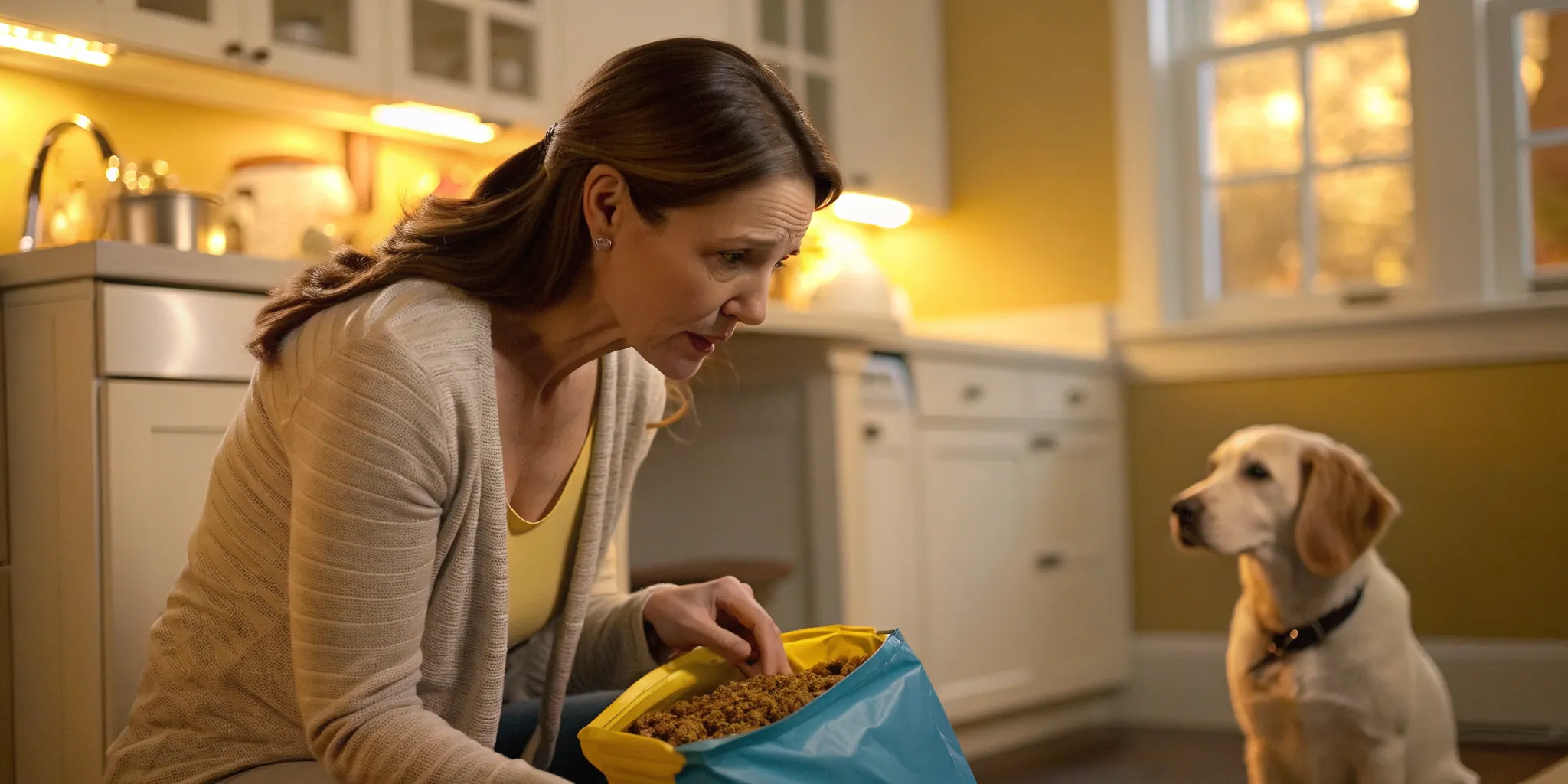
Bringing a new puppy home is one of life’s greatest joys, but that first trip down the pet food aisle can be incredibly stressful. Every bag promises perfect health and happiness, but the truth is hidden in the fine print. The wrong food can lead to everything from an upset stomach to long-term health issues. You want to give your new family member the absolute best start, and that begins with what’s in their bowl. This guide is designed to cut through the marketing fluff and empower you. We’ll show you how to spot red-flag ingredients and give you a clear look at the dog food brands to avoid, so you can make a confident, informed choice for your new best friend.
Key Takeaways
- Become a Label Detective: The most reliable information is on the back of the bag. Prioritize foods with a specific meat like “deboned chicken” as the first ingredient, and always look for the AAFCO statement that confirms the food is complete and balanced for your puppy’s life stage.
- Look Beyond the Bag to Vet the Brand: A great ingredient list means little without a solid safety record. Do a quick search for a brand’s recall history and be aware of the companies linked to the FDA’s investigation into canine heart health to make a fully informed choice.
- Adapt Their Diet as They Grow: Your puppy’s nutritional needs will change as they become an adult and then a senior. Work with your veterinarian to adjust their food for different life stages and always transition to a new diet slowly over 7-10 days to avoid digestive upset.
What Makes a Dog Food Brand Bad for Your Pup?
Walking down the pet food aisle can feel overwhelming. Every bag boasts happy dogs, premium ingredients, and health benefits. But the truth is, not all dog foods are created equal. The wrong choice can lead to digestive issues, skin problems, and even long-term health concerns. So, how do you separate the good from the not-so-good? It comes down to looking past the flashy packaging and understanding what’s actually inside the bag.
A brand’s quality isn’t just about the ingredient list—it’s also about their manufacturing practices and honesty in marketing. A great dog food starts with high-quality, identifiable ingredients. It’s made by a company that prioritizes safety and has a clean track record, free from frequent product recalls. Learning to spot the red flags is the first step in choosing a food that will help your new puppy thrive. We’ll walk through the key things to watch for, from questionable ingredients to sneaky marketing tactics, so you can feel confident in what you’re pouring into your pup’s bowl.
Spot These Red Flag Ingredients
The ingredient list is your best friend when evaluating dog food. Always read the first five ingredients, as they make up the bulk of the recipe. The very first one should be a specific, named meat source, like “deboned chicken” or “lamb,” not a vague term like “meat meal.” Be wary of cheap fillers like corn, wheat, and soy, which offer little nutritional value and can trigger allergies in some dogs. Also, keep an eye out for artificial preservatives like BHA, BHT, and ethoxyquin, as well as artificial colors and flavors. Your dog doesn’t care if their kibble is bright red, and these additives serve no nutritional purpose.
Watch Out for Poor Quality Control
A beautiful ingredient list means nothing if the company has a history of safety issues. Before committing to a brand, do a quick online search for its recall history. A company with frequent recalls may have serious problems with quality control in its manufacturing facilities. This could mean contamination, inconsistent formulas, or other dangerous mistakes. Trustworthy brands are transparent about their sourcing and manufacturing processes. They invest in safety protocols to ensure every bag is safe for your pet. A pattern of recalls is a major warning sign that a brand might not be taking your puppy’s health seriously.
Don’t Fall for Misleading Marketing
Dog food bags are designed to sell, using appealing words like “premium,” “gourmet,” or “veterinarian-approved.” Unfortunately, these terms aren’t strictly regulated and often don’t mean much. A picture of fresh roasted chicken on the bag doesn’t guarantee the food contains high-quality protein. Instead of trusting the claims on the front, turn the bag over and rely on the ingredient list and the guaranteed analysis panel. The best brands back up their claims with clear, transparent information. At our pet boutique, we only carry foods from brands we trust to nourish your new family member.
Which Dog Food Brands Are Linked to Health Problems?
Choosing the right food for your new puppy feels like a huge decision, because it is! You want to give them the best start in life, but the pet food aisle can be overwhelming with its endless options and flashy marketing. While many brands offer excellent nutrition, some have unfortunately been linked to health issues, from frequent product recalls to more serious investigations by health authorities. Knowing which names have come under scrutiny can help you narrow down your choices and feel more confident in what you’re putting in your puppy’s bowl. This isn’t about creating a scary “never buy” list or causing panic. Instead, it’s about helping you become an informed pet parent who can spot potential red flags and choose a food that supports your puppy’s long-term health and happiness. Understanding these concerns is the first step toward making a great choice for the newest member of your family.
Brands Investigated by the FDA for DCM
One of the most significant concerns in recent years has been the potential link between certain diets and a heart condition called canine dilated cardiomyopathy (DCM). The U.S. Food and Drug Administration (FDA) launched an investigation after noticing an increase in reported cases. The FDA identified several brands that were frequently reported in DCM cases. These often included “grain-free” formulas that rely heavily on peas, lentils, and other legumes as main ingredients. Some of the brands named in the investigation include Acana, Zignature, Taste of the Wild, and Blue Buffalo. While the link is still being studied, it’s a critical piece of information to consider when evaluating food options for your dog.
Brands with Frequent Product Recalls
A product recall is a clear sign that something went wrong in the manufacturing process. Recalls can happen for various reasons, from salmonella contamination to incorrect vitamin levels. While a single recall might not be a dealbreaker, a pattern of them can indicate a larger problem with a company’s quality control. Brands that have faced multiple recalls over the years show a potential for inconsistency in their safety standards. It’s always a good practice to check the FDA’s pet food recall list before committing to a brand, especially if it’s one you’re not familiar with. A history of safety issues is a major red flag.
Companies with Poor Safety Records
Beyond official recalls, some companies have a reputation for using lower-quality ingredients that can cause problems for your pup. This can include vague ingredients like “meat meal” instead of a named protein like “chicken meal,” or an over-reliance on cheap fillers like corn and soy. These ingredients aren’t just less nutritious; they can also trigger digestive upset and skin issues in sensitive dogs. Be cautious of brands that seem to change their formulas often or have inconsistent quality from one bag to the next. A trustworthy company is transparent about its ingredients and proud of its consistent, safe manufacturing practices.
What Are the Health Risks of Low-Quality Dog Food?
Choosing the right food for your new puppy is one of the most important decisions you’ll make. It goes far beyond simply filling their bowl; it’s the foundation for their long-term health and happiness. While some dog foods use clever marketing to appear healthy, their ingredient lists often tell a different story. Feeding your dog a low-quality diet filled with cheap fillers, artificial additives, and mystery meats can lead to a host of health problems, some of which can be quite serious. Understanding these risks helps you become a more informed pet parent, ready to provide the very best for your new companion.
Heart Conditions (DCM)
One of the most alarming risks associated with certain dog foods is a serious heart condition called canine dilated cardiomyopathy (DCM). This disease weakens the heart muscle, making it harder to pump blood effectively. The U.S. Food and Drug Administration (FDA) has been actively investigating a potential link between certain dog foods and an increased risk of DCM. While the investigation is ongoing, it highlights how critical ingredient quality is. Protecting your puppy’s heart starts with a diet formulated with proven, high-quality ingredients that support total body health from day one.
Digestive Upset and Skin Problems
Have you ever noticed a dog with a dull coat, itchy skin, or persistent tummy troubles? Their diet is often the culprit. Many low-quality dog foods are packed with common allergens like corn, wheat, and soy, along with artificial flavors and preservatives that can wreak havoc on a dog’s digestive system. These questionable ingredients can cause gas, bloating, loose stools, and chronic inflammation. This inflammation often shows up on the outside as dry, flaky skin, hot spots, and excessive shedding. A premium diet from our pet boutique can help avoid these issues by providing clean, easily digestible nutrition.
Nutritional Gaps and Long-Term Health Issues
Beyond immediate digestive or skin issues, a poor diet creates nutritional gaps that can have serious consequences over your dog’s lifetime. Proper nutrition supports everything from strong bones and healthy joints to a robust immune system. When a food is full of fillers instead of nutrient-rich ingredients, your dog misses out on the essential vitamins, minerals, and antioxidants they need to thrive. Over time, this can contribute to joint problems, a weakened immune response, and a shorter lifespan. Providing a balanced diet tailored to your dog’s specific needs, which you can learn more about in our breed information guides, is an investment in their future.
How to Read a Dog Food Label for Bad Ingredients
Becoming a savvy pet parent means learning to decode the ingredient list on your dog’s food bag. Marketing claims on the front are one thing, but the label on the back tells the real story. Think of it as a checklist for quality. When you know which red flags to look for, you can confidently choose a food that truly nourishes your new best friend. Here are the key things to watch out for.
Avoid Chemical Preservatives (BHA, BHT, Ethoxyquin)
One of the first things to scan for are artificial preservatives. Ingredients like BHA, BHT, and ethoxyquin are chemicals used to extend the shelf life of dog food, but they come with potential health concerns and offer no nutritional value to your pup. Your dog’s food should be preserved, of course, but there are much better, natural options available. Look for foods that use natural preservatives like mixed tocopherols (a source of Vitamin E), rosemary extract, or ascorbic acid (Vitamin C). These keep the food fresh without adding unnecessary chemicals to your dog’s diet.
Identify Vague Meat Meals and Fillers
The protein source is the foundation of your dog’s food, so you want to see specifics. A label that lists “meat meal” or “animal by-products” is a major red flag. What kind of meat? Which animal? This vagueness allows manufacturers to use lower-quality, inconsistent sources. Instead, look for clearly named proteins, like “chicken,” “lamb meal,” or “deboned salmon.” Knowing the specific breed information for your puppy can help you pinpoint proteins they thrive on, making it even more important to see exactly what’s in their bowl. Specificity is a sign of a transparent, high-quality brand.
Steer Clear of Artificial Colors and Additives
Does your dog care if their kibble is a vibrant mix of red, yellow, and green? Not at all. Artificial colors like Red #40 or Yellow #6 are added purely for human appeal—to make the food look more appetizing to you, the buyer. These dyes serve no nutritional purpose and can sometimes be linked to allergic reactions or hyperactivity. A high-quality dog food gets its color from its natural ingredients. Don’t be fooled by a colorful appearance; instead, focus on a clean ingredient list that prioritizes your dog’s health over aesthetics. You can always add color to their life with fun items from our pet boutique.
Watch for Too Many Peas and Legumes
The grain-free trend led many brands to replace grains like corn and wheat with peas, lentils, and other legumes. While these ingredients aren’t inherently bad in small amounts, some foods use them in very high quantities as a primary source of protein and filler. The FDA has investigated a potential link between diets high in these ingredients and a heart condition called dilated cardiomyopathy (DCM). The concern is that large amounts of peas and legumes might interfere with the absorption of vital nutrients. When reading a label, check to see if these ingredients are listed among the first few items, which could indicate an over-reliance on them.
What Should You Look for in a Great Dog Food?
After learning about the red flags, you’re probably wondering what should be on your dog food label. Choosing the right food is one of the most important first steps you’ll take to ensure your new puppy has a long, healthy, and happy life. The good news is that once you know what to look for, spotting a high-quality food becomes much easier. A great dog food is built on a foundation of solid nutritional science, high-quality ingredients, and transparent labeling.
Think of it like grocery shopping for yourself—you want to see real, recognizable ingredients at the top of the list. Your puppy’s food should be packed with everything they need to build strong muscles, bones, and a healthy immune system. At our pet boutique, we stock only the brands we trust to provide complete and balanced nutrition. Let’s walk through the three main things to look for on the bag.
AAFCO Approval for Complete Nutrition
First, flip the bag over and look for a nutritional adequacy statement from the Association of American Feed Control Officials (AAFCO). This is a non-negotiable. This statement confirms that the food is “complete and balanced” for a specific life stage, such as growth (for puppies), maintenance (for adults), or all life stages. An AAFCO-approved formula means the food was developed to meet established nutritional guidelines, ensuring your puppy gets the right blend of proteins, fats, vitamins, and minerals. Without this seal of approval, you can’t be sure you aren’t creating nutritional gaps in your dog’s diet.
Clearly Named, High-Quality Proteins
Next, scan the ingredients list. The very first ingredient should always be a high-quality, clearly named protein source. Look for words like “deboned chicken,” “lamb,” “beef,” or “salmon.” This indicates that the primary ingredient is real meat. Be wary of vague terms like “meat meal” or “poultry by-products,” as you don’t know the exact source or quality. Protein is the cornerstone of your puppy’s development, essential for everything from muscle growth to a shiny coat. Different breeds may have unique dietary needs, so understanding your pup’s specific breed information can help you make an even more informed choice.
Natural Preservatives and Whole Ingredients
Finally, a top-tier dog food will use natural preservatives and be full of whole ingredients. Avoid foods with chemical preservatives like BHA, BHT, and ethoxyquin. Instead, look for natural options like tocopherols (a source of vitamin E), ascorbic acid (vitamin C), or rosemary extract to keep the food fresh. You also want to see whole foods you recognize, such as sweet potatoes, carrots, blueberries, and peas listed in the ingredients. These provide essential vitamins and fiber, unlike cheap fillers such as corn, wheat, and soy, which offer little nutritional value and can sometimes trigger allergies.
How to Safely Switch Your Dog to a New Food
Deciding to change your puppy’s food is a great step toward optimizing their health, but a sudden switch can wreak havoc on their sensitive digestive system. The key is a gradual transition that gives their body time to adjust. This simple, patient approach helps ensure the move to a better diet is a positive experience for both of you. By taking a week or two to make the change, you can prevent digestive issues and keep your puppy happy and healthy. We carry a curated selection of high-quality foods and treats in our pet boutique to get your new friend started on the right paw.
Follow the 7-10 Day Transition Plan
The golden rule for switching dog food is to go slow. A 7-to-10-day transition plan is the safest way to introduce a new diet. Start by mixing a small amount of the new food—about 25%—with 75% of their old food. Every couple of days, gradually increase the proportion of the new food while decreasing the old. For example, move to a 50/50 mix, then to 75% new and 25% old, until you’ve fully transitioned. This method gives your dog’s digestive system time to adapt, preventing potential tummy troubles.
Monitor Your Dog’s Reaction
Pay close attention to your puppy during the transition period. You are the best judge of how they’re feeling. Watch for changes in their appetite, energy levels, or bathroom habits. Signs of digestive upset like vomiting, loose stools, or excessive gas are signals to slow down the transition. If your dog seems hesitant or shows discomfort, take a step back and add a smaller amount of the new food for a few more days before increasing it again. Every puppy is different, and some may need more time to adjust.
Support Their Digestion Through the Change
If your puppy is moving from a lower-quality food, their digestive system might need extra support. A healthy gut is essential for absorbing nutrients from their new, high-quality diet. You can help ease the transition by incorporating a probiotic supplement for dogs, which promotes healthy gut bacteria. Always check with your veterinarian before adding any supplements to your dog’s diet. They can offer personalized advice based on your puppy’s specific health needs and breed information to ensure a smooth and comfortable switch.
So, Which Dog Food Brands Can You Trust?
After sorting through all the red flags, you’re probably wondering which brands actually make the cut. The good news is there are plenty of fantastic options out there dedicated to your puppy’s health and wellness. The key is knowing what to look for. A trustworthy brand is transparent about its ingredients, follows strict quality control, and invests in nutritional science.
We’ve broken down our recommendations into two main categories. First, we’ll look at the top-tier brands that have earned their stellar reputations through years of research and veterinary partnerships. Then, we’ll cover some excellent alternatives that deliver high-quality nutrition without the premium price tag. This way, you can find the perfect fit for your new family member and your budget.
Top-Tier Brands with Great Reputations
When you’re looking for the best of the best, you want brands that are backed by serious science. Companies like Royal Canin, Hill’s Science Diet, and Purina Pro Plan consistently come recommended by veterinarians for a reason. They employ full-time veterinary nutritionists and conduct extensive research to formulate their foods. These brands create diets that meet AAFCO nutritional guidelines for every stage of a dog’s life, from a tiny puppy to a senior. They offer specialized formulas for different breed sizes and health needs, ensuring your pup gets precisely the nutrition they require to thrive. Choosing one of these brands gives you peace of mind that your dog’s diet is in expert hands.
Quality, Budget-Friendly Alternatives
Great nutrition doesn’t have to come with a huge price tag. Many brands offer high-quality formulas that are more accessible. The most important factor, whether it’s a budget or premium food, is that it contains a balanced mix of proteins, fats, and carbohydrates from quality sources. Brands like Fromm, Wellness, and Merrick are known for using whole ingredients and avoiding unnecessary fillers and artificial additives. You can find many of these excellent options right in our pet boutique. When you’re comparing these foods, just remember to apply what you’ve learned about reading labels. Look for named protein sources and natural preservatives to ensure you’re getting great value and quality.
What to Ask Your Vet About Your Dog’s Food
Your veterinarian is your most trusted partner in your puppy’s health journey. While online research is a great starting point, nothing beats a personalized conversation with a professional who knows your dog’s specific history and needs. Before your next appointment, jot down a few questions about their diet. This simple step ensures you’re making the most informed choices for their well-being.
Think of this as a collaborative effort. Your vet can help you cut through the marketing noise and focus on what truly matters: high-quality ingredients, balanced nutrition, and a formula that works for your individual pup. They can recommend reputable brands backed by solid research and help you create a feeding plan that supports your dog from their playful puppy days into their senior years. It’s easy to feel overwhelmed by the sheer number of dog food options on the shelf, each with its own claims and promises. Your vet acts as your personal guide, helping you understand the science behind the labels and making recommendations based on evidence, not just clever advertising. Being prepared for this conversation shows you’re a proactive pet parent, and it’s the best way to build a strong foundation for a long, healthy life together.
Discuss Your Dog’s Specific Nutritional Needs
Every dog is an individual, and their diet should reflect that. A tiny Maltese has very different energy requirements than a growing Goldendoodle. When you talk to your vet, ask them to outline your dog’s unique nutritional needs based on their age, weight, activity level, and breed. Vets typically recommend food from a reputable brand with a formula that meets AAFCO guidelines and is tailored to your pet. Getting this specific advice helps ensure your puppy gets the right balance of protein, fats, and nutrients to support healthy development. You can learn more about your pup’s background by exploring different breed information to prepare for your vet visit.
Get Their Take on Food Allergies or Sensitivities
If you notice your dog is constantly scratching, has a dull coat, or experiences frequent digestive upset, a food sensitivity could be the culprit. Sensitive stomachs are surprisingly common and can be triggered by overprocessed foods or poor-quality ingredients. Bring up any concerns with your vet, as they can help you identify the signs of an allergy versus a simple intolerance. If they suspect a food issue, your vet might suggest an elimination diet to pinpoint the problem ingredient or recommend switching to a more digestible formula. Don’t try to diagnose this on your own; professional guidance is key to getting your pup feeling their best and back to their happy, playful self.
When Should You Reevaluate Your Dog’s Diet?
Choosing the right food for your puppy is a great first step, but their nutritional needs won’t stay the same forever. A dog’s diet should adapt as they grow from a playful puppy into a mature adult and eventually a sweet senior. Life stages, activity levels, and individual health can all signal that it’s time for a change. Paying attention to your dog’s behavior and appearance is the best way to know when it’s time to reassess what’s in their bowl. It’s all part of providing the best care for your new family member.
Signs Your Dog Might Need a New Food
You know your dog better than anyone, so you’re the first line of defense in spotting dietary issues. Subtle changes can often be the first clue that their current food isn’t a good fit. Is their coat looking dull, or are they scratching more than usual? Persistent itchiness, low energy, or digestive upset like diarrhea or vomiting are classic signs that their food could be the culprit. Always monitor your pup after they eat. If they seem uncomfortable, it might be an adverse reaction. More serious symptoms, like coughing or difficulty breathing, warrant an immediate call to your veterinarian, as these can sometimes be linked to diet. Learning about your dog’s specific breed information can also help you watch for common sensitivities.
Adjusting Nutrition as They Age
A puppy’s nutritional needs are vastly different from those of an adult or senior dog. Puppies require more calories and specific nutrients to support their rapid growth, while a senior dog might need a diet lower in calories but higher in joint-supporting ingredients. As your dog ages, it’s crucial to transition their food to match their life stage. A quality dog food will always meet the standards set by the Association of American Feed Control Officials (AAFCO) for their specific life stage. Your veterinarian is your best resource for guidance on when and how to make these changes, ensuring your dog gets the balanced nutrition they need for a long, healthy, and happy life. You can find more answers to common puppy questions in our FAQs.
Related Articles
- 5 Best Vet Recommended Puppy Foods for a Healthy Pup
- Labrador Retriever Diet & Nutrition Tips | Complete Guide
- The Ultimate Guide to Premium Puppy Dog Food
- 5 Best Dog Foods for Your Small Breed Puppy
Frequently Asked Questions
Is ‘grain-free’ dog food automatically bad for my puppy? Not necessarily, but it’s a category that requires a closer look. The main concern isn’t about the absence of grains, but rather what they are replaced with. Many grain-free formulas use high amounts of peas, lentils, and other legumes, which have been a focus of the FDA’s investigation into a heart condition called DCM. The best approach is to choose a food that is well-balanced with a high-quality, named protein as the first ingredient, instead of focusing only on whether it contains grains.
Why do some vet-recommended brands use ingredients like corn or by-products? This is a great question because it can seem confusing when you’re trying to avoid fillers. Brands that are heavily backed by research focus on nutritional science over marketing trends. While an ingredient like corn might sound unappealing, it can be a valuable and digestible source of essential nutrients when processed correctly. Similarly, a specific by-product like “chicken by-product meal” can include nutrient-rich organ meats. These companies invest in research to ensure every ingredient serves a purpose in creating a complete and balanced diet.
What are the first signs that my puppy’s food isn’t agreeing with them? Your puppy will usually give you a few clear signals. The most common ones are digestive issues, like loose stools, excessive gas, or an upset stomach. You might also notice changes on the outside, such as a dull coat, flaky skin, or constant scratching and itchiness. Sometimes a food intolerance can even affect their energy levels, making them seem more tired than usual. If you notice any of these signs, it’s a good idea to chat with your vet about their diet.
Does a higher price always mean the dog food is better? A higher price tag doesn’t automatically guarantee better quality. While many premium foods use excellent ingredients, some mid-range brands offer fantastic nutrition without the steep cost. The most reliable way to judge a food is by reading the ingredient list and looking for the AAFCO nutritional adequacy statement, not by looking at the price. A food with a named protein as the first ingredient and natural preservatives is a great choice, regardless of whether it’s the most expensive option on the shelf.
If I only remember one thing, what’s the most important thing to check on a dog food label? If you only look at one thing, find the AAFCO nutritional adequacy statement. This sentence, usually on the back of the bag, confirms the food is “complete and balanced” for your puppy’s specific life stage. It’s the official seal of approval that tells you the formula was designed to meet established nutritional standards. This ensures your puppy is getting all the essential nutrients they need to grow up healthy and strong, taking the guesswork out of your decision.