
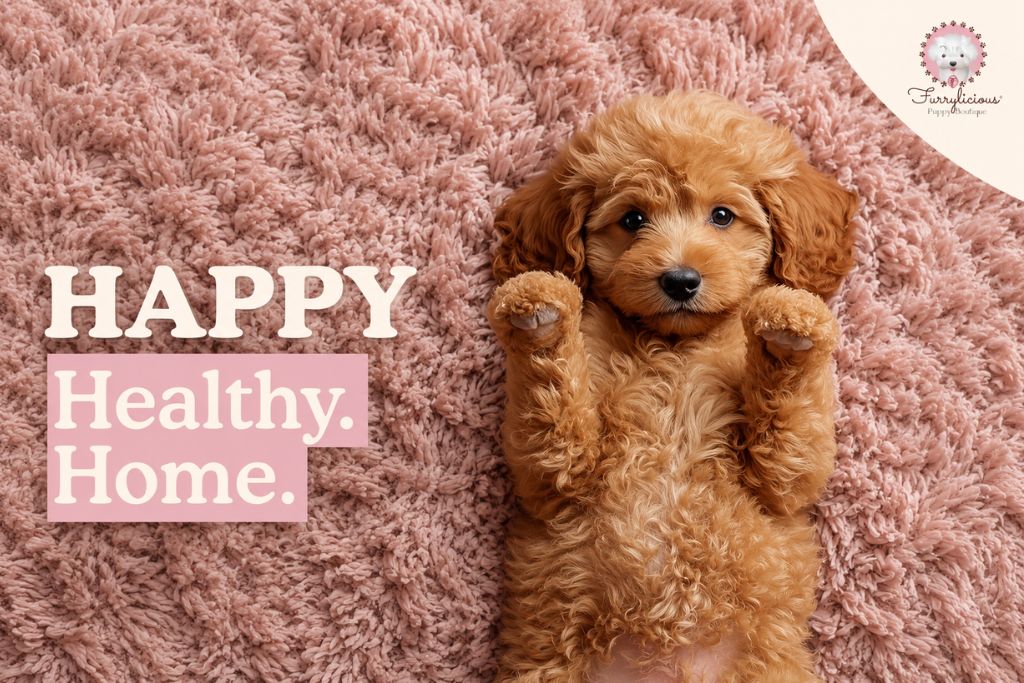

A puppy is officially part of the family. They’re learning the sights, sounds, and rhythms of your home. They’re figuring out where to eat, where to nap, and where they fit into daily life. New puppy owners throughout Whitehouse Station, Readington Township, and nearby Hunterdon County communities often find that those first few weeks are filled with equal parts excitement and adjustment.
Just as our homes provide comfort and security, puppies need a space they can call their own. Families throughout Whitehouse Station often find that creating that safe space early helps make the transition home much smoother.
That’s where crate training comes in.
When introduced correctly, a crate isn’t a punishment. It’s a safe, predictable place where your puppy can rest, recharge, and feel secure.
Why Puppies Need a Space of Their Own
Everything is new to a young puppy. New people. New routines. New sounds. Even something as simple as the dishwasher turning on can be an adjustment.
A crate provides consistency during this transition. Families across Whitehouse Station, Clinton, Lebanon, and Readington often discover that a dedicated puppy space helps establish routines much faster. It gives puppies a quiet place to settle and can help support house training, bedtime routines, and independent confidence.
The key is helping your puppy build positive associations from the very beginning.
Start with Comfort, Not Confinement
One of the most common crate training mistakes is moving too quickly.
Instead of closing the door right away, allow your puppy to explore the crate on their own. Place soft bedding inside and leave a few treats for them to discover.
The goal is simple: help your puppy view the crate as a place worth choosing.
Feed Meals Near the Crate
Food can be a powerful training tool.
Start by feeding meals beside the crate. As your puppy becomes comfortable, gradually move the food bowl closer and eventually inside.
This helps create positive experiences and reduces hesitation about entering the crate. Consistency is one of the biggest factors in successful puppy training, whether you’re in Whitehouse Station or a neighboring community like Readington or Clinton.
Make the Crate Part of Everyday Life
Crates work best when they feel normal.
Offer treats inside the crate. Toss in a favorite toy. Encourage short rest periods throughout the day rather than using the crate only when you’re leaving the house.
The more positive experiences your puppy has there, the more comfortable they become. Many new puppy owners throughout Whitehouse Station and nearby communities along Route 22 find that regular crate time quickly becomes part of the daily routine.
What If Your Puppy Cries?
This is often the hardest part for puppy owners.
A little whining can be normal, especially during the first few days. In fact, this is one of the most common questions we hear from new puppy owners in Whitehouse Station and throughout Hunterdon County.
Your puppy is simply adjusting to a new environment and learning new routines.
Before crating, make sure your puppy has had an opportunity to potty, stretch, and burn off some energy. Then keep departures calm and low-key.
Most importantly, avoid turning every whine into a release from the crate. Consistency helps puppies learn that the crate is a safe place, not something to fear.
Building Confidence Together
At Furrylicious, we know that bringing home a puppy comes with plenty of questions. Crate training is often one of the first. Families from Whitehouse Station, Readington, Clinton, Lebanon, Branchburg, and communities throughout Hunterdon County rely on our team for guidance on training, nutrition, socialization, and everyday puppy care.
We’re here to help you create positive experiences from day one.
A Safe Space Can Make a Big Difference
The best crate training happens gradually.
With patience, consistency, and positive reinforcement, many puppies learn to see their crate as a place to relax rather than a place to resist. That’s why so many puppy owners throughout Whitehouse Station and the surrounding Hunterdon County area make crate training part of their puppy’s routine from the very beginning.
And once that happens, you’ve given them something valuable: a space that feels safe, familiar, and entirely their own.