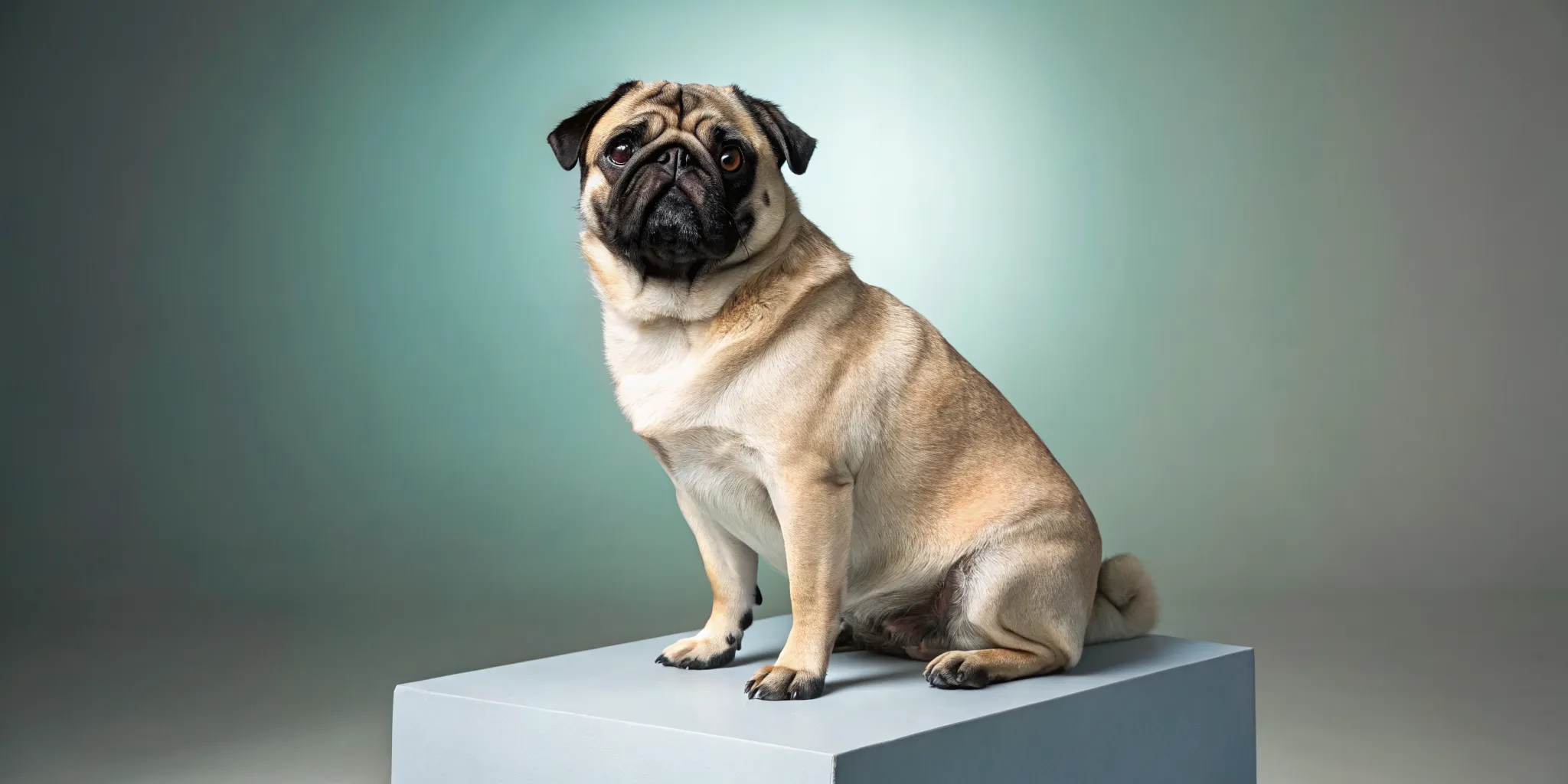
When you first see a Pug, you might notice their convenient, compact size, which seems perfect for anything from a New York City apartment to a suburban home in New Jersey. While their adaptability is a huge plus, their unique physical traits require a special kind of care. From their constant shedding to their sensitive breathing, being a Pug parent involves a dedicated routine. Before you decide to bring one home, it’s crucial to weigh all the factors. We’ll walk you through the key pug pros and cons so you can feel confident that you’re fully prepared for the commitment and joy this special breed brings.
Key Takeaways
- Pugs thrive on being your shadow: These dogs are true companions who do best when they’re with their families, so be ready to offer plenty of attention and affection. They are not suited for homes where they will be left alone for long periods.
- Their adorable look requires a daily routine: A Pug’s signature wrinkles need regular cleaning to prevent skin issues. You will also need to manage their heavy shedding with frequent brushing and carefully monitor their diet to keep them at a healthy weight.
- Keep training and exercise light and positive: Pugs respond best to short, fun training sessions filled with praise and treats, not strict commands. Their exercise should be just as gentle, consisting of short daily walks and indoor play, while always avoiding activity in hot weather.
Why Do People Love Pugs?
It’s impossible to mistake a Pug for any other dog. With their wrinkled brows, big expressive eyes, and charmingly compact bodies, they have a look that’s all their own. But their appeal goes far beyond their unique appearance. Pugs are adored for their big personalities packed into a small frame, making them one of the most sought-after companion dogs for families in New Jersey and New York. They are natural comedians, devoted shadows, and world-class snugglers, all rolled into one.
What truly makes people fall for Pugs is their unwavering devotion and easygoing nature. They don’t ask for much, just a comfy lap, a few short walks, and to be the center of your world. Their playful spirit brings a daily dose of laughter to any home, while their affectionate side provides endless comfort. Whether you live in a bustling city apartment or a quiet suburban house, a Pug’s main goal is simply to be with their people. If you’re looking for a dog with a huge heart and a knack for making you smile, it’s easy to see why so many people choose a Pug. You can see all our available puppies for sale to find your perfect match.
Their Cuddly and Loyal Personality
If you’re looking for a constant companion, a Pug will happily fill that role. They are incredibly loving and form deep, loyal bonds with their families. Often called “Velcro dogs,” they thrive on being close to their favorite humans and will gladly follow you from room to room, content just to be in your presence. This breed isn’t happy being left alone for long hours; they truly live to give and receive affection. Their greatest joy is snuggling up on the couch, making them the perfect furry friend for anyone who wants a devoted and ever-present sidekick.
The Perfect Size for Any Home
One of the Pug’s most practical perks is their adaptable size. They are small enough to live comfortably in an apartment in New York City but sturdy enough to enjoy a home with a yard in New Jersey. Because their exercise needs are moderate, they don’t require a huge space to roam. Pugs are masters of indoor living and are perfectly happy to spend a good part of their day snoozing in a cozy spot. While they love a good nap, they still need daily walks and playtime to stay healthy and prevent weight gain. Their compact size makes them a great fit for a variety of living situations.
Their Goofy, Playful Antics
Life with a Pug is never dull. These dogs are natural entertainers with a mischievous and playful streak that keeps their owners laughing. Known for their comical snorts, sneezes, and grunts, Pugs have a whole range of sounds to express their quirky personalities. They love to be the center of attention and will often perform silly antics to get a reaction. Whether they’re chasing a toy with surprising bursts of energy or tilting their head at a funny sound, their goofy behavior is endlessly endearing. You can see some of our puppies’ personalities shine in our video gallery.
How They Adapt to Your Lifestyle
Pugs are incredibly adaptable and tend to match their owner’s energy levels. They are a great choice for less active individuals or families who prefer shorter walks over long hikes. While they enjoy a playful romp, they are equally content with a relaxed lifestyle. However, their adaptability comes with a need for companionship. Pugs are people-oriented dogs and can become sad or develop separation anxiety if left alone for extended periods. They are best suited for households where someone is often home to give them the attention they crave. For more details on different temperaments, you can explore our breed information page.
Are Pugs Good with Kids and Other Pets?
If you’re wondering how a Pug will fit in with your family, you’re in luck. These charming little dogs are famous for their sociable and loving personalities. They thrive on being part of a pack, whether that pack includes kids, other dogs, or even the family cat. Their primary goal is to love and be loved, which makes them incredibly adaptable to different home environments. With the right introduction and a little guidance, a Pug can become a cherished member of any household, bringing endless affection and goofy antics.
Their Gentle Nature with Children
One of the biggest reasons families in New Jersey and New York fall in love with Pugs is their incredible patience with children. They have a sweet, gentle disposition and are sturdy enough to handle the clumsy but loving attention of younger family members. Pugs aren’t just tolerant; they genuinely enjoy being part of the action and will happily join in on playtime or snuggle up for a movie. Their affectionate nature makes them wonderful companions for kids, teaching them responsibility and offering unconditional love. You can learn more about their temperament in our breed information library.
Living Peacefully with Other Pets
Adding a Pug to a home with existing pets? You’ll find they are usually quite welcoming to new four-legged friends. Pugs are not typically aggressive and tend to get along well with other dogs and even cats. They would rather make a friend than start a fuss. Of course, proper introductions are always important for a smooth transition. While they love to play, it’s wise to supervise their interactions with much larger dogs who might not understand a Pug’s goofy antics. For the most part, their friendly attitude allows them to blend into a multi-pet family, creating a harmonious home you can see in our Alumni Puppy Gallery.
The Importance of Early Socialization
While Pugs are naturally friendly, early socialization is the key to helping them become well-rounded and confident adults. Starting from a young age, introducing your puppy to various people, places, sounds, and other animals in a positive way makes a world of difference. This helps them learn how to interact politely and reduces the chance of fear or anxiety later on. We ensure all our puppies for sale get a healthy start in a nurturing environment. Continuing this at home with positive reinforcement, like treats and praise, will build on that foundation and help your Pug grow into the adaptable companion they are meant to be.
A Look at Common Pug Health Concerns
Pugs are incredibly charming, but like all purebred dogs, they have specific health considerations you should know about. Being aware of these potential issues from the start helps you provide the best possible care for your new companion. A proactive approach to their health ensures you and your pug can enjoy many happy years together. By understanding their unique needs, you can make informed decisions and keep them feeling their best.
Understanding Their Breathing Issues
One of the pug’s most defining features is their adorable, flat face. This facial structure is called “brachycephalic,” and it can lead to breathing difficulties. Their compact airways mean they can get winded easily and are sensitive to high temperatures. It’s important to avoid strenuous exercise, especially in hot or humid weather. Always provide a cool, comfortable space for them to relax and plenty of fresh water to keep them hydrated and safe.
Protecting Their Prominent Eyes
A pug’s large, expressive eyes are a big part of their appeal, but they also require special attention. Because their eyes are so prominent, they are more susceptible to scratches, injuries, and infections. Be mindful of their surroundings during playtime, keeping them away from sharp objects or thorny bushes. A quick daily check of their eyes can help you spot any irritation or issues early on, ensuring their beautiful peepers stay healthy and bright.
Caring for Their Famous Wrinkles
Those sweet facial wrinkles are a signature part of the pug look, but they need regular cleaning to stay healthy. Moisture and debris can get trapped in the skin folds, creating a perfect environment for bacteria and potential skin infections. Gently wipe their wrinkles with a soft, damp cloth or a vet-approved wipe every few days. Keeping these areas clean and dry is a simple but essential step in their care routine.
Keeping Them at a Healthy Weight
Pugs absolutely love to eat and can gain weight quickly if their diet isn’t managed carefully. Carrying extra pounds can put a strain on their joints and make breathing problems worse. To keep your pug at a healthy weight, stick to a balanced diet with measured portions, usually twice a day. While it’s tempting to give in to their begging, limit treats and focus on providing lots of love and playtime instead.
What to Know About Their Lifespan
With proper care and a healthy lifestyle, pugs typically live for 12 to 15 years. This is a long-term commitment, and understanding their lifespan helps you prepare for the journey ahead. Providing consistent veterinary care, a nutritious diet, and a safe, loving home are the key ingredients for a long and happy life with your pug. You can find more details in our general breed information guide.
How to Manage Their Health Proactively
Staying on top of your pug’s health is all about being proactive. Regular check-ups with your veterinarian are essential for catching any potential issues early. It’s also wise to be prepared for veterinary expenses, as some conditions can be costly to manage. Planning ahead for these costs ensures you can always provide the best care for your furry friend. We offer financing options to help families budget for all aspects of puppy ownership.
What Does Pug Upkeep Involve?
Pugs are undeniably charming, but their unique features require a consistent upkeep routine to keep them looking and feeling their best. From their famously wrinkled faces to their surprisingly shed-prone coats, staying on top of their hygiene is a key part of being a responsible Pug parent. Establishing these habits early will help your puppy get comfortable with the process and ensure they stay healthy and happy for years to come. Let’s walk through the essential parts of a Pug’s regular care schedule.
Managing Their Constant Shedding
Don’t let their short coat fool you; Pugs are serious shedders. This is true for both fawn and black Pugs, so you can expect to find hair around your home year-round. The best way to manage this is with daily brushing. A few minutes each day with a rubber curry brush or a de-shedding tool will remove loose hair before it ends up on your couch, while also distributing natural oils to keep their coat healthy and shiny. Think of it as a mini-massage and bonding session that also keeps your home a little cleaner. You can find all the right tools in our pet boutique.
Keeping Those Wrinkles Clean
Those adorable facial wrinkles are a hallmark of the breed, but they need daily attention. Moisture and debris can easily get trapped in the folds, creating a perfect environment for bacteria to grow, which can lead to skin irritation or infections. To prevent this, gently wipe out the wrinkles every day with a soft, damp cloth or an unscented, pet-safe wipe. The most important step is to make sure you dry the folds completely afterward. A clean, dry wrinkle is a happy wrinkle, and this simple daily task is one of the best ways to prevent future vet visits.
Nail and Ear Care Essentials
Regular nail trims are a must for your Pug’s comfort and health. Long nails can affect their posture and even cause pain. Since many Pugs can be a bit dramatic about having their paws handled, it’s a great idea to start this routine when they are a puppy. A good rule of thumb is to trim them when you can hear them clicking on the floor. Don’t forget their ears, either. Their floppy shape can trap dirt and moisture, so check them weekly for any redness or odor and clean them as needed with a vet-approved solution. Our FAQs page has more tips for new puppy parents.
Creating a Healthy Bathing Schedule
While daily upkeep is important, full baths should be less frequent. Bathing your Pug about once a month is usually enough, unless they’ve had a particularly messy adventure. Over-bathing can strip their coat of essential oils and lead to dry, itchy skin. When it is bath time, use a gentle, dog-specific shampoo and take the opportunity to give those wrinkles an extra-thorough cleaning. Always rinse them completely to avoid any soap residue, and dry them off with a towel, paying special attention to drying inside those skin folds. This routine keeps them smelling fresh without irritating their sensitive skin.
How to Train Your Stubborn (But Sweet) Pug
Pugs are incredibly smart and eager to please, but they have a famous stubborn streak that can make training a unique experience. This combination of intelligence and willfulness means you’ll need a special approach, but don’t let that intimidate you. Training your Pug is one of the best ways to build a strong, lasting bond. The key is to understand their personality and work with it, not against it. Forget old-school, rigid training methods; your Pug will simply tune you out. Instead, think of training as a series of fun games and positive interactions.
With a little patience, consistency, and a lot of fun, you can teach your sweet, wrinkly companion everything they need to know to be a well-behaved member of the family. From mastering housetraining to learning basic commands, every success is a step toward a more harmonious life together. It’s important to start as soon as you bring your puppy home to establish good habits early. A well-trained Pug is a happy Pug, and building that foundation from day one sets you both up for a wonderful life together. Below, we’ll cover the essential strategies for successfully training your new best friend, from handling their strong will to making learning a joyful experience.
Working with Their Strong-Willed Nature
Don’t mistake a Pug’s stubbornness for a lack of intelligence. These dogs are clever, but they have their own ideas about how things should be done. This means your training approach needs to be consistent, patient, and full of positive motivation. They won’t respond to harsh commands or repetitive drills; in fact, that’s a quick way to get them to shut down. Instead, you need to convince them that listening to you is the best, most rewarding idea they’ve ever heard. Think of yourself as a patient coach, not a drill sergeant. Finding the right puppy for your family is the first step, and understanding their unique temperament is the next.
Tips for Successful Housetraining
Let’s be honest: housetraining can be one of the bigger challenges with a Pug puppy. Their small size means they need to go out frequently, and their stubborn side can make them resistant to a routine. Success comes down to a strict schedule and constant supervision, especially in the first few weeks. Take your puppy out first thing in the morning, last thing at night, and after every meal, nap, and play session. Crate training can also be a huge help, as dogs naturally avoid soiling their personal space. Remember that Pug puppies are full of energy and require your time and attention to learn the rules of the house.
Keeping Training Sessions Short and Fun
A Pug’s attention span is not built for long, drawn-out training sessions. To keep them engaged and prevent them from getting bored or frustrated, limit your sessions to just five or ten minutes at a time, a few times a day. The best way to teach them is by turning training into a game. Pugs love to play, so incorporate commands like ‘sit’ or ‘stay’ into a game of fetch or tug-of-war. Using exciting toys from our pet boutique can make learning feel like playtime. When your Pug is having fun, they’ll be much more receptive to learning new things and will look forward to your training time together.
Helping Them Cope with Separation Anxiety
Pugs were bred to be companion animals, which means they form incredibly strong bonds with their families and want to be by your side constantly. While this is one of their most endearing qualities, it can also lead to separation anxiety if they aren’t taught how to be comfortable alone. Start by leaving your Pug for very short periods and gradually increase the time as they get used to it. Make their crate a cozy, safe den with their favorite toys and blankets. Providing a puzzle toy filled with treats can also give them a positive distraction while you’re away.
Why Positive Reinforcement is Key
Above all, Pugs respond best to positive reinforcement. This training method focuses on rewarding good behavior instead of punishing mistakes. Because Pugs are so eager to make their owners happy, they thrive on praise, affection, and, of course, tasty treats. When your Pug successfully follows a command, reward them immediately with an excited “Good boy!” and a small treat. This approach not only teaches them effectively but also strengthens the loving bond between you. You can see countless examples of these happy, confident dogs in our alumni puppy gallery.
How Much Exercise Does a Pug Really Need?
Pugs are charming companions, not marathon runners. Their exercise needs are quite different from more athletic dogs, but regular activity is still essential for their health and happiness. Understanding their unique requirements helps you keep them fit without pushing them too hard. It’s all about finding a balance between playful fun and cozy couch time. A happy Pug is one whose activity level is just right for their build and personality.
Finding the Right Amount of Daily Activity
A Pug’s exercise routine is more of a leisurely stroll than a strenuous workout. Aim for about 30 to 40 minutes of light activity each day. This can easily be broken down into two shorter walks, one in the morning and one in the evening. These walks are a perfect opportunity to explore your New Jersey neighborhood and let your Pug socialize a bit. Since they aren’t built for long distances or high-intensity exercise, keeping walks brief and gentle is the best way to maintain their health without causing strain. You can learn more about their temperament in our breed information guide.
The Importance of Indoor Play
While they love a good nap, Pugs also have a playful side that needs an outlet. Indoor games are a fantastic way to keep their minds sharp and bodies moving, especially on days when the weather isn’t cooperating. Simple activities like fetch with a soft toy, puzzle feeders, or a gentle game of tug-of-war can provide great mental and physical stimulation. These moments of play strengthen your bond and prevent boredom. Our pet boutique has a wonderful selection of toys perfect for keeping your Pug entertained indoors.
Exercising Safely in Any Weather
Pugs are a brachycephalic, or flat-faced, breed, which makes them extra sensitive to extreme temperatures. They can have difficulty breathing in hot and humid weather, which is common during New York and New Jersey summers. It’s critical to avoid exercising them during the hottest parts of the day. Early morning or late evening walks are much safer. Never, ever leave a Pug outside unattended in the heat, as they can overheat very quickly. In the winter, a cozy sweater or coat can help them stay comfortable during their short walks.
Using Play to Prevent Weight Gain
These little dogs have a big appetite and can gain weight easily if their diet and activity aren’t managed. Extra pounds can put a serious strain on their joints and make breathing even more difficult. Regular, gentle play and daily walks are your best tools for managing their weight. A balanced diet is just as important, so be mindful of portion sizes and limit treats. Keeping your Pug at a healthy weight is one of the most important things you can do for their long-term well-being, ensuring you have many happy years with your new family member.
Budgeting for Your Pug
Bringing a new puppy home is one of life’s great joys, and thinking about the financial side of things helps ensure you’re fully prepared for the journey. Pugs are worth every penny, but it’s smart to have a clear picture of the costs involved, from the day they arrive to their ongoing care. A well-planned budget means you can focus on what really matters: building a loving bond with your new best friend. This isn’t about limiting the fun; it’s about making sure you’re ready for all the responsibilities that come with adding a furry family member.
Creating a financial plan for your Pug helps you provide the best possible care without stress. It covers everything from their initial adoption fee to monthly supplies and future veterinary needs. Thinking about these expenses ahead of time is a key part of responsible pet ownership and sets you both up for a happy, healthy life together. By planning for both the predictable and unpredictable costs, you can confidently welcome a Pug into your New Jersey or New York home, knowing you’re prepared for a wonderful life together. It’s a proactive step that ensures your focus remains on cuddles, playtime, and creating lasting memories.
The Initial Cost of Bringing a Pug Home
The first expense to plan for is the cost of your Pug puppy. This initial investment covers the puppy’s early care, ensuring they come to you healthy, socialized, and ready to join your family. Think of it as the foundation for a lifetime of companionship. While the price can vary, it reflects the quality of care your new puppy has received from day one. To make this step easier, many families explore helpful financing options that allow them to bring their perfect puppy home without delay. This initial cost is just the beginning of your shared story.
Ongoing Veterinary and Wellness Care
Pugs are known for their robust personalities, but their unique features require attentive wellness care. Regular vet check-ups are essential for keeping them healthy and addressing any potential concerns early on. Because of their flat faces and big eyes, Pugs can be prone to certain health conditions. Proactive veterinary care helps manage these risks and ensures your companion enjoys a high quality of life. Building a great relationship with a trusted veterinarian is one of the best things you can do for your Pug. You can learn more about their specific needs on our breed information page.
Monthly Costs for Food and Supplies
Once your Pug is settled in, you’ll have recurring monthly expenses for their daily needs. This includes high-quality dog food formulated for small breeds to keep them at a healthy weight, along with treats for training and fun. You’ll also want to stock up on engaging toys to keep their clever minds busy and other essentials like waste bags and cleaning supplies. Our pet boutique is filled with premium products to keep your Pug happy and healthy. A typical monthly budget for these supplies can range from $50 to $75, depending on the brands you choose.
Planning for Unexpected Vet Bills
While we hope for a lifetime of perfect health for our pets, unexpected accidents or illnesses can happen. For Pugs, who are more susceptible to certain health issues, it’s especially wise to have a financial safety net. This could mean setting up a dedicated savings account for your dog or investing in a good pet insurance plan. Having a plan in place provides peace of mind, ensuring you can make decisions based on your Pug’s needs without financial worry. You can find answers to common questions about puppy health on our FAQs page.
Is a Pug the Right Dog for You?
Bringing a Pug into your life is a wonderful decision, but it’s one that requires thoughtful consideration. These charming dogs have big personalities packed into small bodies, and their needs are as unique as their wrinkled faces. Before you fall completely in love with one of the puppies for sale at our boutique, it’s important to honestly assess if your lifestyle, home, and environment are a good match for this special breed. Pugs are not a one-size-fits-all companion; they have specific requirements that make them perfect for some families and less suitable for others.
Pugs thrive on companionship and require a significant time commitment from their families. They are also sensitive to climate and have particular health considerations that every potential owner should understand. Thinking through these key areas will help you make an informed choice and ensure you can provide a happy, healthy, and loving forever home. This is about finding the perfect fit, not just for you, but for your future furry family member, too. Let’s walk through what it really means to be a Pug parent, so you can feel confident in your decision to welcome one of these delightful dogs into your home.
Do You Have Enough Time for a Pug?
Pugs are the definition of a companion dog. They were bred to be with people, and they take that job very seriously. Often called “Velcro dogs,” they will happily follow you from room to room, content just to be in your presence. This is incredibly endearing, but it also means they don’t do well when left alone for long stretches. If your job requires you to be out of the house for most of the day, a Pug may struggle with loneliness and anxiety. They thrive in homes where someone is usually around to offer a lap for napping or a partner for a quick play session.
Considering Your Climate and Environment
One of the most critical factors to consider is your local climate. Pugs are a brachycephalic (flat-faced) breed, which affects their ability to regulate body temperature. They can overheat very easily and are extremely sensitive to high heat and humidity. The hot summers in New Jersey and New York mean you’ll need to be extra cautious. Pugs are strictly indoor dogs and should never be left outside unattended on a warm day. Walks should be kept short and scheduled for cooler parts of the day, like the early morning or evening. You can find more breed information to better understand their specific needs.
Is Your Home Pug-Friendly?
The good news is that Pugs are highly adaptable to various living situations. Their small size and relatively low exercise needs make them fantastic apartment dogs, which is great for anyone living in New York or other urban parts of the tri-state area. They are just as happy in a larger house with a yard, as long as they are with their people. While they enjoy a good nap, Pugs still need daily activity to stay healthy and prevent weight gain. A short walk and some indoor playtime are usually enough to keep them happy and fit, making them a great match for many different home environments.
Making Your Final Decision
Welcoming a Pug into your family is a long-term commitment that comes with incredible rewards and responsibilities. It’s important to be prepared for their potential health needs, as their unique facial structure can lead to specific concerns. Being a proactive owner means planning for regular veterinary check-ups and understanding the costs associated with their care. We believe every family should feel confident and prepared, which is why we offer resources like financing options to help you plan. A Pug will repay your dedication with endless affection, laughter, and companionship for years to come.
Related Articles
- Pug Puppies – Furrylicious®
- Top Dog Breeds Guide – Find the Right Breed for You
- How to Choose a Puppy: A Step-by-Step Guide
- Mini English Bulldog Puppies for Sale | Furrylicious
Frequently Asked Questions
Are Pugs considered high-maintenance dogs? While Pugs don’t require intense exercise, they do need consistent daily attention to thrive. Their biggest need is companionship, so they are happiest in a home where they aren’t left alone for long hours. Their upkeep also includes daily cleaning of their facial wrinkles to prevent skin irritation and regular brushing to manage their surprisingly heavy shedding. So, while they are low-energy, their care routine requires dedication.
I’ve heard Pugs can be stubborn. Does that make them difficult to train? Pugs are very smart, but they definitely have a mind of their own. This “stubborn” streak just means they respond best to training that feels like a fun game. Keep your training sessions short, about five to ten minutes at a time, and always use positive reinforcement. They are very motivated by treats and praise, so rewarding good behavior is far more effective than trying to force them to do something.
How much activity does a Pug actually need each day? Pugs are not built for long runs or strenuous hikes. About 30 to 40 minutes of light activity per day is usually perfect for them. This can be split into two short, leisurely walks around your New Jersey neighborhood, along with some indoor playtime. The goal is to keep them moving to maintain a healthy weight without overexerting them, especially in warm weather.
What are the most important health issues to be aware of with a Pug? The most significant considerations are related to their unique features. Their flat faces make them sensitive to heat, so you must be careful to avoid over-exercising them in warm or humid weather. Their large, prominent eyes can be prone to injury, and their famous wrinkles need to be kept clean and dry. Finally, they love to eat, so managing their diet to prevent weight gain is crucial for their overall health.
Is a Pug a good fit for a family with young children? Absolutely. Pugs are known for their patient, gentle, and loving nature, which makes them wonderful companions for children. They are sturdy enough to handle gentle play and truly enjoy being part of the family’s daily activities. As with any dog, it’s important to teach children how to interact respectfully with their furry friend, but a Pug’s sweet disposition makes them a fantastic choice for a family pet.