
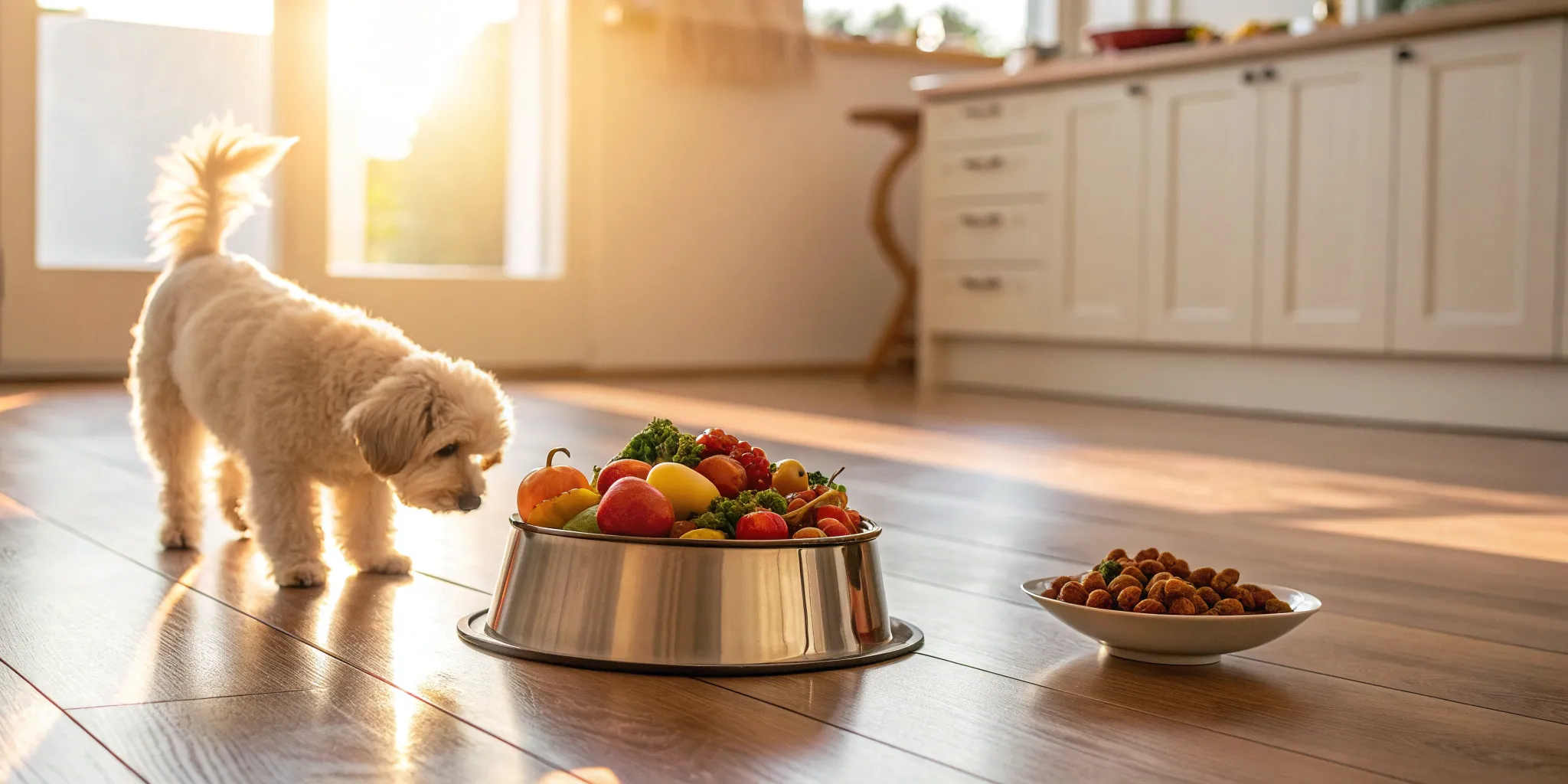
A small dog isn’t just a miniature version of a large one—their biology is fundamentally different. With their high-revving metabolisms and tiny stomachs, they burn through energy at an incredible rate and can’t handle large meals. This means every single bite they take has to be packed with powerful, easily digestible nutrients. A generic, one-size-fits-all dog food simply won’t provide the concentrated fuel they need to support their energy levels and long-term health. This is precisely why choosing a high-quality premium dog food for small breeds is so essential. It’s formulated to meet these specific demands, ensuring your little companion gets everything they need to flourish.
Key Takeaways
- Look for Real Meat First: The ingredient list tells you everything you need to know. A premium food will always list a real, identifiable meat source like chicken or fish first, which is the foundation for your small dog’s muscle development and energy.
- Choose a Formula Made for Their Size: Small dogs aren’t just miniature versions of big dogs; their high metabolism and tiny stomachs need special attention. A “small breed” formula provides the right balance of calories and nutrients in a smaller kibble size that’s safer and easier for them to eat.
- Make the Switch Gradually: A sudden food change can upset your puppy’s stomach. Introduce new food over a week by slowly mixing it with their old food. Once they’ve fully transitioned, look for positive signs like a shiny coat, consistent energy, and healthy digestion to confirm it’s the right fit.
Why Your Small Dog Needs Premium Food
Bringing home a new puppy is one of life’s greatest joys. As you stock up on adorable toys and cozy beds from our pet boutique, one of the most important decisions you’ll make is what to feed your new family member. It might be tempting to grab any bag of kibble off the shelf, but small dogs have big nutritional needs that are very different from their larger cousins. Their tiny bodies require a special diet to keep them healthy, happy, and full of that puppy energy we all love.
Choosing a premium dog food isn’t about spoiling them—it’s about providing the specific building blocks they need to thrive for years to come. This choice sets the foundation for their long-term health, from their immune system to their coat and skin. From their super-charged metabolism to their delicate digestive systems, the right food makes all the difference in helping your little companion live their best life. Let’s look at exactly why investing in a high-quality diet is so important.
Fueling Their High Metabolism
Think of your small dog as a tiny, furry engine that runs at a higher RPM. Because of their size, they burn through energy much faster than large dogs. To keep that engine running smoothly, they need food that packs more calories and nutrients into smaller, bite-sized portions. Premium dog foods are specifically formulated with this in mind. They use high-quality sources of protein and fat to create a calorie-dense meal, ensuring your pup gets the fuel they need without having to eat huge amounts of food. This concentrated nutrition supports their active lifestyle, from playful pounces to zoomies around the living room, keeping their energy levels stable throughout the day.
Caring for Their Sensitive Stomachs
A small dog’s digestive system is not just smaller; it also processes food more quickly. This means there’s less time to break down ingredients and absorb nutrients, making them more prone to tummy troubles if they eat the wrong thing. Premium foods are made with highly digestible ingredients, like real chicken or fish, instead of cheap fillers like corn and soy that can be tough on their system. Choosing a food that is right for your dog’s specific age—puppy, adult, or senior—is also crucial. A well-formulated diet with gentle ingredients helps prevent digestive upset and ensures they get the maximum nutritional benefit from every single meal.
Nutrition for Every Life Stage
Just like people, a dog’s dietary needs change as they grow. A puppy requires specific nutrients for brain development and strong bones, while an adult dog needs a balanced diet for maintenance, and a senior dog benefits from ingredients that support joint health and mobility. The best small breed dog foods are designed to provide perfectly balanced nutrition for dogs whose adult weight is under 20 pounds. Premium brands offer formulas tailored to each life stage, so you can be confident your dog is getting exactly what they need, when they need it. Learning about your specific puppy’s breed information can also help you fine-tune their diet for a long and healthy life.
What to Look for in a Premium Small Breed Dog Food
Walking down the pet food aisle can feel overwhelming. With so many bags promising the best nutrition, how do you choose the right one for your tiny companion? It’s about more than just a fancy label; it’s about understanding what your small dog’s body actually needs to thrive. Small breeds have unique requirements, from their fast metabolisms to their tiny jaws, and the right food addresses all of these.
When you’re looking at the options, think of it as reading a recipe. You want to see wholesome, recognizable ingredients at the top of the list. The goal is to find a food that not only tastes good to your pup but also provides the specific, high-quality fuel they need for a long, happy, and healthy life. We’ll break down the four key things to look for on the label so you can feel confident in your choice.
Look for Real Meat First
The single most important thing to check on an ingredient list is the very first item. For a premium dog food, it should always be a real, identifiable meat source. Look for words like “deboned chicken,” “lamb,” or “salmon.” This means the primary ingredient is high-quality animal protein, which is essential for building strong muscles and supporting your dog’s energy levels. Avoid foods that list corn, wheat, or a vague “meat by-product” first. While every dog breed is unique, a foundation of real meat is a universal sign of a quality food that will help your new best friend flourish.
Find the Right Kibble Size
Have you ever watched a small dog struggle with a treat that’s too big? The same goes for their daily meals. Kibble size is incredibly important for small breeds. Their little mouths and teeth need a smaller, bite-sized piece that’s easy to chew and swallow. The right-sized kibble not only prevents choking hazards but also helps with digestion, as properly chewed food is easier for their system to process. Many premium brands design their small-breed formulas with this in mind, creating a kibble that’s perfect for tiny jaws. This makes mealtime safer and much more enjoyable for your pup.
Check for Healthy Fats and Omegas
If you want your puppy to have a soft, shiny coat, look for healthy fats and omega fatty acids on the ingredient list. Ingredients like fish oil (especially from salmon) and flaxseed are packed with omega-3 and omega-6 fatty acids. These are the powerhouse nutrients that support healthy skin and a lustrous coat, reducing dryness and itchiness. They also play a vital role in brain development and joint health. Seeing these healthy fats in the formula is a clear sign that the food is designed to help your dog look and feel their absolute best, just like the happy pups in our alumni gallery.
Ingredients to Avoid
Just as important as what’s in the food is what’s left out. Steer clear of foods with artificial colors, flavors, or preservatives, as these add no nutritional value and can sometimes cause sensitivities. Also, be thoughtful about grain-free diets. While they became very popular, most veterinarians now advise against them unless your dog has a specific grain allergy diagnosed by a professional. That’s because some studies have linked grain-free formulas to potential heart problems in dogs. When you bring home one of our puppies for sale, we can discuss their current diet and help you choose a food that avoids unnecessary fillers and focuses on pure, simple nutrition.
The Best Premium Food Brands for Small Dogs
Walking down the dog food aisle can feel like a pop quiz you didn’t study for. With so many bags, buzzwords, and brands, how do you choose the right one for your tiny new family member? The good news is that you don’t have to be a canine nutritionist to make a great choice. The key is to focus on premium brands that use high-quality ingredients specifically formulated for the unique needs of small dogs.
We’ve done the research for you and narrowed it down to six of the best premium food brands on the market. These brands are trusted by veterinarians and loved by pet parents for their commitment to quality and targeted nutrition. Whether you’re looking for a grain-free option, something for a sensitive stomach, or a food tailored to a specific breed, you’ll find a fantastic choice on this list. You can find many of these top-tier foods and other essentials at our pet boutique to get your puppy started on the right paw.
Hill’s Science Diet Small Paws
Hill’s Science Diet is a name you’ll often hear in veterinary offices, and for good reason. Their Small Paws formula is specifically designed to meet the needs of little dogs. It provides precisely balanced nutrition to support their immune system and long-term health, which is so important in those first few years. One of the best features is the extra-small kibble size, making it easy for tiny mouths to chew and digest. This is a fantastic, reliable choice that gives your puppy a scientifically formulated foundation for a healthy life. It’s a go-to for pet parents who want a vet-recommended food they can trust completely.
Purina Pro Plan Small Breed Formula
Purina Pro Plan is another powerhouse in the world of canine nutrition. Their Small Breed Formula stands out with its unique blend of crunchy kibble and tender, shredded pieces. This dual-texture approach is a lifesaver for picky eaters who might otherwise turn their noses up at mealtime. Beyond its appealing texture, this formula is packed with live probiotics to support healthy digestion—a huge plus for small breeds that can sometimes have sensitive stomachs. It’s a well-rounded, highly palatable option that focuses on both taste and gut health, ensuring your little one is happy from the inside out.
Royal Canin Size Health Nutrition
If you’re looking for nutrition that’s as specific as your dog’s breed, Royal Canin is the brand for you. They are masters of tailored nutrition, often creating formulas for individual breeds like Yorkshire Terriers or Poodles. Their Small Breed line focuses on the particular needs of small dogs, with kibble designed for their unique jaw structure, making it easier to pick up and chew. The formula is also enriched with nutrients that promote a healthy skin and a beautiful, shiny coat. For owners of the purebred puppies for sale at our boutique, Royal Canin offers a way to cater directly to their dog’s genetic predispositions.
Wellness CORE Small Breed
For the active and energetic small dog, Wellness CORE Small Breed offers a protein-packed, grain-free diet. This formula puts real meat first, ensuring your dog gets the high-quality protein needed to support lean muscle mass and keep up with their zippy energy levels. Being grain-free, it’s an excellent choice for dogs with sensitivities or allergies to grains. Wellness CORE is all about nutrient-dense food that mirrors a dog’s ancestral diet, providing a powerful meal that fuels their adventures and supports their overall well-being. It’s a perfect fit for the lively, playful companion who needs top-tier fuel to thrive.
Blue Buffalo Life Protection Small Breed
Blue Buffalo has built a loyal following by creating recipes that start with real meat and are packed with healthy, natural ingredients. Their Life Protection Small Breed formula is no exception. It features high-quality deboned chicken, whole grains, and garden vegetables. What makes it unique is the inclusion of their “LifeSource Bits”—a precise blend of antioxidants, vitamins, and minerals selected by holistic veterinarians and animal nutritionists to support immune system health. This food provides a well-rounded, wholesome meal that many pet parents feel great about serving their furry friends every day.
Orijen Small Breed
If you’re looking for the absolute peak of premium nutrition, Orijen is a brand that consistently delivers. Their philosophy is “biologically appropriate,” meaning the food is designed to mirror the fresh, varied diet of a dog’s ancestors. The Small Breed formula is packed with an incredible variety of fresh, regional meats like free-run chicken and turkey, wild-caught fish, and cage-free eggs. This protein-rich recipe is balanced with whole fruits and vegetables for a complete nutritional profile. Orijen is a top-tier choice for pet parents who want to provide their small dog with a diet that is as close to nature as possible.
What Vets Recommend for Small Breed Nutrition
Choosing the right food can feel overwhelming, but a few key guidelines from veterinarians can make it much simpler. Understanding the nutritional science behind your puppy’s food helps you look past the marketing and focus on what truly matters for their health. When you know what to look for on the label, you can confidently pick a food that will help your tiny companion thrive. Let’s break down the three most important recommendations vets make for feeding small-breed dogs.
What is the AAFCO Standard?
If you only look for one thing on a dog food bag, make it the AAFCO statement. The Association of American Feed Control Officials (AAFCO) sets the nutritional standards for pet foods in the United States. While they don’t approve or regulate foods, a food that meets their standards will have a statement on the package confirming it is “complete and balanced” for a specific life stage, like growth (for puppies) or maintenance (for adults). Think of it as a seal of approval that ensures the food contains the minimum amount of all the essential nutrients your dog needs to be healthy. This is the easiest way to verify the nutritional adequacy of your dog’s food.
How Much Protein and Fat Do They Need?
Small dogs have big energy needs, and their diet needs to reflect that. Protein and fat are the main energy sources in their food. For a growing puppy, the food should contain between 25% and 32% protein to support healthy development of their muscles, organs, and tissues. Once they reach adulthood, their needs change slightly. Adult small-breed dogs do best with a food that has 18% to 25% protein and 8% to 15% fat. These levels provide sustained energy for their fast metabolisms while helping them maintain a lean, healthy body condition. You can learn more about your puppy’s specific dietary needs on our breed information pages.
How Often Should You Feed Your Small Dog?
Because of their tiny stomachs and high metabolic rates, small dogs benefit from a different feeding schedule than larger breeds. Instead of one large meal, vets recommend feeding adult small dogs two or three smaller meals throughout the day. This approach helps maintain stable blood sugar and energy levels, preventing the energy crashes that can happen between meals. For puppies, the need is even greater; they should be fed three to four small meals daily. A consistent schedule not only aids in digestion but also helps prevent hypoglycemia (a sudden drop in blood sugar), which can be a serious concern for very small and young puppies.
Comparing Premium Dog Foods: Quality vs. Value
Walking down the dog food aisle can feel overwhelming. With so many brands, formulas, and price points, how do you know you’re making the best choice for your new puppy? It often comes down to a simple trade-off: quality versus value. While it’s tempting to grab the most affordable bag, investing in a premium food can make a significant difference in your small dog’s health and happiness. The key is understanding what you’re actually paying for. Higher-quality ingredients, tailored nutrition, and formulas backed by science often come with a higher price tag, but they also provide peace of mind and tangible benefits for your tiny companion. Let’s break down how to compare your options so you can feel confident in your decision.
Comparing Ingredient Quality
When you’re looking at a bag of dog food, the ingredients list is your best friend. For small breeds, it’s not just about general nutrition; it’s about getting the right nutrition for their unique needs. The best foods are specifically designed to support dogs that will weigh under 20 pounds as adults. This means more than just a smaller kibble size. Look for formulas with special ingredients that cater to their fast metabolisms and sometimes-sensitive systems. Knowing the specific needs of your puppy’s breed information can help you find a food with the perfect balance of nutrients to help them grow strong and healthy.
Is a Higher Price Worth It?
It’s a fair question: does a more expensive dog food really mean it’s better? In many cases, yes. Premium dog foods are typically made with higher-quality ingredients, which means more real meat and fewer unnecessary fillers like corn, wheat, and soy. A quality food provides a balanced mix of proteins, healthy fats, and digestible carbohydrates that meet the nutritional standards set by the Association of American Feed Control Officials (AAFCO). Think of it as an investment in your dog’s long-term health. Providing top-tier nutrition from the start can lead to a healthier coat, more energy, and fewer vet visits down the road, just like choosing the best items from our pet boutique contributes to their overall well-being.
What Other Pet Parents Are Saying
Sometimes, the best advice comes from other people who have been in your shoes. Hearing from fellow pet parents can offer real-world insight into how a food performs. You’ll often hear brands like Royal Canin come up in discussions because they have a long-standing reputation for quality and results. While personal stories are helpful, remember that every dog is different. The most important takeaway is to choose a food specifically formulated for small dogs that is made with high-quality ingredients. Just as you might read our customer reviews to feel confident about bringing a puppy home, checking dog food reviews can help you find a brand that other small dog owners trust and recommend.
Should You Choose a Grain-Free Food for Your Small Dog?
The “grain-free” label is everywhere in the pet food aisle, and it’s easy to assume it’s the healthiest option for your new puppy. But is it really the best choice for your tiny companion? The truth is, the answer isn’t a simple yes or no. For most small dogs, healthy whole grains like oatmeal, quinoa, and brown rice are a fantastic source of the energy they need to fuel their big personalities. The decision to go grain-free really comes down to your specific puppy’s individual health needs, and it’s a conversation you should always have with your veterinarian.
Before you make any changes, it’s helpful to understand what you’re choosing between. A grain-inclusive food uses ingredients like rice or barley, while a grain-free formula typically substitutes those with potatoes, peas, or lentils. One isn’t inherently better than the other. The goal is to find a well-balanced, high-quality food that helps your puppy thrive. Let’s break down what you need to know to make an informed choice with your vet’s guidance.
What’s the Deal with Grain-Free Food?
Grain-free dog food became popular alongside human diet trends, based on the idea that dogs don’t need grains. While it’s true that dogs don’t need a diet packed with low-quality fillers, healthy whole grains can be a valuable part of their nutrition. In fact, most veterinarians don’t suggest grain-free diets unless a dog has a specific, diagnosed allergy. This is because some studies have linked these diets to potential heart problems in certain dogs. The key takeaway is that “grain-free” doesn’t automatically mean “healthier.” It’s simply a different formulation that may or may not be right for your pup.
When to Choose a Grain-Free Diet
So, when is a grain-free diet a good idea? The main reason to switch is if your veterinarian diagnoses your puppy with a specific grain allergy or sensitivity. While true grain allergies are less common than you might think, they can cause symptoms like itchy skin, chronic ear infections, or digestive upset. It’s important to consider your dog’s specific health needs, but trying to diagnose the problem yourself can be tricky. Often, another ingredient, like a specific protein, is the real culprit. Because every puppy is different, grain-free diets are not always needed and should always be discussed with your vet, who can help you find the best nutritional path for your new best friend.
How to Switch Your Small Dog to a New Premium Food
So you’ve picked out the perfect premium food for your little one—that’s a fantastic first step! But making the switch from their current food isn’t as simple as just filling their bowl with the new kibble. Small dogs, especially puppies, have delicate digestive systems that can be easily upset by sudden dietary changes. A slow and steady transition is the key to helping them adjust without any tummy troubles. This process allows their system to get used to the new ingredients, ensuring they can absorb all the wonderful nutrients you’ve chosen for them.
Think of it as a gentle introduction to their new favorite meal. Rushing the process can lead to digestive issues like diarrhea or vomiting, which is the last thing you want for your new companion. By following a simple plan, you can make the change seamless and stress-free for both you and your puppy. We’ll walk you through a proven method for transitioning their food and show you what signs to look for to confirm the new diet is a great fit. You can find a curated selection of high-quality foods and treats in our pet boutique to get you started.
Follow the 7-Day Transition Plan
The best way to introduce a new food is with a gradual transition over about a week. This slow change is a widely recommended method to prevent digestive upset and gives your puppy’s system time to adapt. Start by mixing a small amount of the new food with their old food. For the first couple of days, try a mix of 25% new food and 75% old food. If that goes well, move to a 50/50 mix for the next two days. Then, shift to 75% new food and 25% old food for another two days. By day seven, you should be able to feed them 100% of the new food. Always watch your puppy for any signs of discomfort and slow down the process if needed.
How to Tell if the New Food is Working
Once your puppy is fully on their new food, how do you know it’s the right choice? The signs are usually quite clear. Look for a healthy, consistent weight and plenty of energy for playtime. Their coat should be shiny and their skin should be healthy, not dry or flaky. You’ll also want to see normal, firm stool consistency. Bright, clear eyes are another great indicator of good health. If you notice these positive changes, it’s a great sign the food is meeting their nutritional needs. Every puppy is unique, and you can learn more about your dog’s specific breed information to better understand their dietary needs. Of course, it’s always a good idea to consult with your veterinarian before making any major dietary changes.
How to Save Money on Premium Dog Food
Investing in premium food for your new puppy is one of the best things you can do for their long-term health. While high-quality ingredients come with a higher price tag, that doesn’t mean it has to break the bank. With a little planning, you can give your furry family member the very best nutrition while being smart about your budget. It’s all about knowing where to look for savings without ever compromising on quality. Here are a few simple strategies to make feeding your small dog premium food more affordable.
Use Subscriptions and Auto-Delivery
This is one of the easiest ways to save. Many premium brands offer subscription services that deliver your dog’s food right to your door on a regular schedule. Not only is it incredibly convenient (no more last-minute trips to the store!), but companies often reward your loyalty with a discount. For instance, it’s common to see brands provide 25% off your first subscription order and additional savings on subsequent deliveries. This ensures you never run out of food and helps you manage your budget effectively. Setting up an auto-delivery service takes the guesswork out of shopping and locks in savings for the long term, making it a smart and simple choice for busy pet parents.
Buy in Bulk to Save
It might seem counterintuitive for a small dog, but buying food in larger quantities can lead to significant savings over time. When you purchase a bigger bag, the price per pound is almost always lower than what you’d pay for smaller bags. Dry dog food is easy to store and has a long shelf life, so you don’t have to worry about it going bad. Just make sure to keep it in an airtight container in a cool, dry place to maintain its freshness and nutritional value. This strategy is a simple way to lower your monthly pet expenses while still providing top-tier food. Before you commit to a large bag, it’s a good idea to make sure your puppy is a fan of the formula first.
Look for Coupons and Special Offers
Always keep your eyes peeled for special promotions and coupon codes. A great way to stay in the loop is by signing up for a brand’s email newsletter or following them on social media. Companies often share exclusive deals with their followers. You can find offers like $25 off orders over $100 or free shipping thresholds, which can really add up. For example, many brands provide free shipping on any order over $50. These promotions can significantly reduce your overall spending, making it easier to afford the high-quality nutrition your small dog needs to thrive. A little bit of searching before you check out can make a big difference in your final cost.
Is Your Small Dog Thriving on Their Food? Here’s How to Tell
Once you’ve carefully selected and transitioned your dog to a new premium food, how do you know if it’s the right fit? Your puppy can’t tell you in words, but their body and behavior offer plenty of clues. Paying attention to a few key signs will help you see the positive impact of their new diet and confirm you’ve made a great choice for their health and happiness. Observing these changes is one of the most rewarding parts of being a pet parent.
Check for a Shiny Coat and Healthy Skin
One of the most visible signs of good health is a beautiful coat and clear skin. When your small dog is getting the right nutrients, their coat should be soft, glossy, and full—not dull, brittle, or patchy. Their skin should be supple and free from excessive dryness, flakiness, or irritation. A well-balanced diet rich in omega fatty acids is essential for supporting healthy skin and promoting that beautiful shine. When you check the ingredients list, seeing real meat as the first ingredient is a great sign that the food provides the high-quality protein needed for a thriving coat. You can find premium foods and supplements at our pet boutique to keep your puppy looking and feeling their best.
Watch Their Energy and Behavior
Small dogs are known for their big personalities, and the right food is what fuels their playful spirit. Because they have fast metabolisms and tiny stomachs, their diet directly impacts their energy levels. A well-nourished dog will have consistent, stable energy throughout the day. They’ll be alert, playful, and ready for a walk or a game of fetch. If you notice your dog seems overly lethargic or, conversely, hyperactive, their food could be the cause. The goal is happy, sustained energy. A healthy weight is another key indicator that their food is meeting their needs. Learning about your dog’s specific breed information can also help you understand their natural energy levels and activity requirements.
Related Articles
- 5 Best Dog Foods for Your Small Breed Puppy
- Top 10 Best Dry Puppy Foods for Small Breeds
- 5 Best Dry Puppy Foods for Healthy Growth
- 5 Best Vet Recommended Puppy Foods for a Healthy Pup
Frequently Asked Questions
Can’t I just feed my small dog a smaller portion of regular dog food? That’s a great question, but it’s not the best approach for your little one. Small breed formulas are designed with their unique physiology in mind. They pack more calories and nutrients into each tiny, bite-sized piece of kibble to fuel their super-fast metabolism. Regular dog food has a lower calorie density, so you’d have to feed a larger volume to meet their energy needs, which can be too much for their small stomachs to handle comfortably.
My puppy is a very picky eater. What should I look for in a food? Picky eating is very common with small dogs! The first thing to look for is a food that starts with a high-quality, real meat source like chicken or salmon, as this often makes it more appealing. Some brands also offer formulas with a mix of textures, like crunchy kibble combined with tender, shredded pieces, which can entice a fussy eater. Sticking to a consistent feeding schedule can also help signal to your puppy that it’s mealtime.
How much food should my small dog eat each day? The exact amount depends on your dog’s age, weight, and activity level. The best place to start is by looking at the feeding guide printed on the back of the dog food bag, which provides recommendations based on weight. Remember that this is just a starting point. You can adjust the amount as needed to help your puppy maintain a healthy, lean body condition. Your veterinarian can also give you a precise recommendation tailored to your specific dog.
Is a higher price tag always a sign of better quality food? While premium foods often cost more, the price isn’t the only indicator of quality. Instead of focusing on the price, turn the bag over and read the ingredient list. A high-quality food will list a real, identifiable meat as the first ingredient and will be free of artificial colors and unnecessary fillers. The price reflects the quality of those ingredients and the research that went into creating a balanced formula for your dog’s specific needs.
With all the debate, should I avoid grain-free foods altogether? Not necessarily. For most dogs, healthy whole grains are a beneficial source of energy. A grain-free diet is really only necessary if your veterinarian has diagnosed your puppy with a specific grain allergy or sensitivity. Because some studies have raised concerns about potential links between grain-free diets and heart health, it’s not a choice to make lightly. The best approach is to discuss your dog’s individual health needs with your vet before deciding if a grain-free formula is the right path.