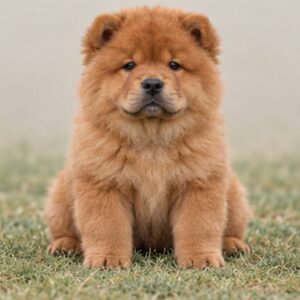

Small breed
Lhasa Apso Puppies
Lively companion with a heart of gold
We do not have Lhasa Apso puppies on the floor today. Tell us what you are looking for and we will let you know the moment one arrives, or help you find a breed that suits your home just as well.
- Adult weight 12–18 lbs
- Height 10–11 in
- Lifespan 12–15 years
- Exercise 30 min a day

About the Lhasa Apso
The Lhasa Apso, a small breed with a storied history, hails from Tibet where it originally served as a guard dog in palaces and monasteries. These charming little companions are known for their beautiful, flowing coat and dignified demeanor, making them not just pets but members of the family. With their affectionate nature and loyal hearts, Lhasa Apsos thrive on companionship and will form a strong bond with their human family. They are generally good with other pets, including cats, which makes them a wonderful addition to multi-pet households.
Read more about the Lhasa Apso Show less
As a moderately energetic breed, the Lhasa Apso enjoys regular exercise but does not require extensive physical activity. Daily walks and playtime will generally suffice to keep this little pup happy and healthy. They adapt remarkably well to apartment living, so if you’re in Furrylicious® and looking for a cuddly companion that does not demand an expansive backyard, this could be your perfect match. Their affectionate disposition means they’ll relish any time spent with you, making them great companions for families, including those with young children.
Grooming a Lhasa Apso does require some commitment; their gorgeous coat needs to be brushed weekly to prevent tangles and matting. They do shed but at a lower frequency than many other breeds. This can make their presence easier to manage in your home. While they can be trainable, their independent nature might pose a slight challenge, but with consistency and positive reinforcement, they respond well. Lhasa Apsos are known to be vocal, so be prepared for some spirited barking, especially when they sense something unusual in their territory. If you are looking for a loving, spirited companion who can fit snugly into your lifestyle, a Lhasa Apso may very well be the breed for you.
Lhasa Apso breed profile
Every score below is set by our team for this breed. Higher is simply more of that trait, not better or worse.
Temperament
-
Affection Very affectionate
-
Playfulness Playful
-
With strangers Warms up
-
Territorial Somewhat
-
Prey drive Low
Family & other pets
-
Young children With supervision
-
Older children Good
-
Other dogs Usually fine
-
Cats Usually fine
Energy & exercise
-
Energy Moderate
-
Mental stimulation Moderate
Training
-
Trainability Willing learner
-
Intelligence Very bright
-
Stubbornness A stubborn streak
Care & upkeep
-
Shedding Light
-
Drooling None to speak of
-
Barking Vocal
Home life
-
Apartment living Well suited
-
Time alone A few hours
-
Cold weather Comfortable
-
Warm weather Needs shade
A good match for
-
First-time owners Manageable
-
Senior owners Good
-
Running partner Not suited
-
Hiking Not suited
-
Therapy work Possible
-
Guarding Low
Living with a Lhasa Apso
Temperament & Family Fit
The Lhasa Apso is known for its loving and loyal personality, making it an excellent companion for families. They tend to be good with kids and can get along well with other dogs and cats, making them adaptable to various home environments. Their affectionate nature and slightly independent streak create a delightful balance, offering both companionship and a hint of playful stubbornness.
Energy & Exercise
<p.With a moderate energy level, Lhasa Apsos enjoy playtime but do not require excessively vigorous exercise. Daily walks and interactive play will keep them happy and healthy. This breed is quite adaptable to apartment living, making them a perfect choice for city dwellers looking for a smaller, manageable pet.
Care & Grooming
<p.Lhasa Apsos have a beautiful coat that requires regular grooming to keep it from matting. Weekly grooming sessions help maintain their luxurious fur while also allowing for quality bonding time with your furry friend. Luckily, their moderate shedding level means you won't have to constantly deal with fur all over your home.
Training Notes
<p.Training a Lhasa Apso can be a fun yet occasionally challenging experience due to their independent spirit. They respond well to positive reinforcement techniques, so using treats and praise can go a long way. With patience and consistency, you can help your Lhasa Apso become a well-mannered member of the family.
Caring for a Lhasa Apso
- Grooming
- Weekly brushing
- Grooming cost
- Average
- Monthly food
- Average
- Outdoor space
- Manages without a yard
- Allergy friendly
- Often suits allergy sufferers
Frequently Asked Questions
What is the temperament of a Lhasa Apso?
Lhasa Apsos are known for their friendly and affectionate nature. They bond closely with their families and are usually playful, but they can also be a bit stubborn at times. Overall, they thrive on companionship and enjoy being part of the family.
Are Lhasa Apsos good with children and other pets?
Lhasa Apsos can be good with young kids, but supervision is always best due to their smaller size. They usually get along well with other pets, especially cats, making them a great addition to multi-pet households. Each dog's personality varies, so early socialization is key.
How much grooming do Lhasa Apsos require?
Lhasa Apsos have a luxurious coat that requires regular grooming to keep it looking its best. Weekly brushing is recommended to prevent mats and tangles. Bathing can be done as needed, but be aware that this breed tends to shed a bit, which is manageable with regular care.
Are Lhasa Apsos suitable for apartment living?
Yes, Lhasa Apsos are an excellent choice for apartment living due to their small size and moderate energy level. They adapt well to smaller spaces, but they still need daily walks and playtime to stay happy. With proper exercise and mental stimulation, they can make wonderful companions in an apartment.
How vocal are Lhasa Apsos?
Lhasa Apsos are known for their barking tendency, so be prepared for a vocal companion. They often bark to alert their owners of visitors or unusual sounds. With some training, you can help manage their barking and teach them when it is appropriate to be quieter.