
Medium breed
Dalmatian Puppies
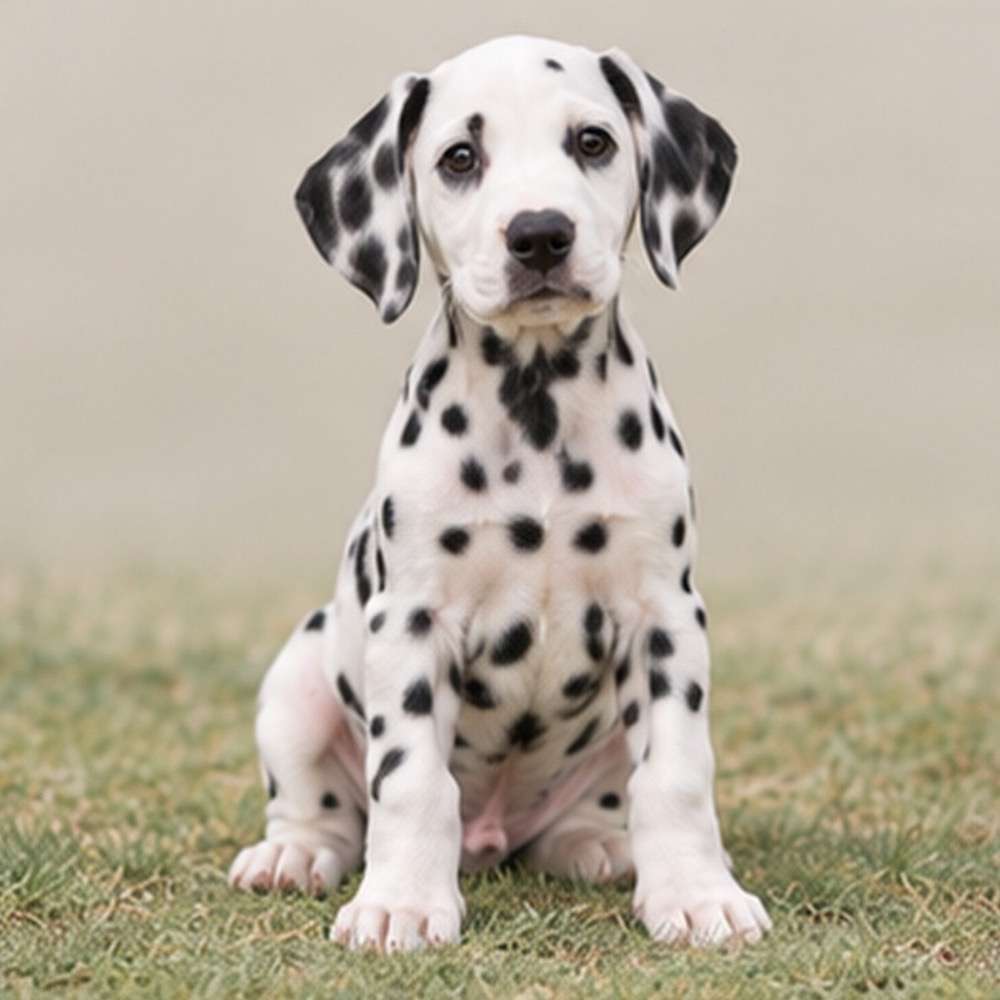
Dalmatians, playful companions with a striking coat
We do not have Dalmatian puppies on the floor today. Tell us what you are looking for and we will let you know the moment one arrives, or help you find a breed that suits your home just as well.
- Adult weight 45–70 lbs
- Height 19–24 in
- Lifespan 10–13 years
- Exercise 60 min a day
About the Dalmatian
The Dalmatian is a breed that first captured hearts in the 18th century as a carriage dog, gallantly trotting alongside horse-drawn vehicles and serving as both protector and companion. Known for their striking spotted coats and boundless energy, Dalmatians are a spirited addition to any family. Their affectionate and playful nature makes them excellent companions for young children, creating a bond that is both loving and fun. While their lively demeanor could make them a bit rambunctious, proper socialization and training can cultivate a well-mannered and devoted friend.
Read more about the Dalmatian Show less
In terms of energy levels, Dalmatians thrive on regular exercise, requiring plenty of playtime and daily walks to harness their enthusiasm for life. They are best suited for active families who can keep up with their spirited antics and provide the mental stimulation they crave. It’s important to remember that while they enjoy the outdoors, these dogs can adapt to various living situations, though they do best in homes where they will have space to roam and play freely.
Their grooming needs are relatively manageable, requiring weekly brushing to keep their short coats looking sleek and polished, although they do tend to shed more than some breeds. Dalmatians are intelligent and trainable, responding well to positive reinforcement methods which makes them a joy to work with during training sessions. That said, their barking tendency is moderate, serving as an alert to any unusual happenings in their surroundings, which is one of the many traits that makes them such reliable companions. If you’re considering welcoming a Dalmatian into your home in Furrylicious®, you’re not just adopting a pet, but bringing home a vibrant personality that will enrich your life with joy and laughter.
Dalmatian breed profile
Every score below is set by our team for this breed. Higher is simply more of that trait, not better or worse.
Temperament
-
Affection Very affectionate
-
Playfulness Very playful
-
With strangers Friendly
-
Territorial Somewhat
-
Prey drive High
Family & other pets
-
Young children Good
-
Older children Excellent
-
Other dogs Sociable
-
Cats Needs care
Energy & exercise
-
Energy Very high
-
Mental stimulation High
Training
-
Trainability Quick to learn
-
Intelligence Very bright
-
Stubbornness A stubborn streak
Care & upkeep
-
Shedding Heavy
-
Drooling Minimal
-
Barking Vocal
Home life
-
Apartment living Prefers a house
-
Time alone Short periods
-
Cold weather Average
-
Warm weather Comfortable
A good match for
-
First-time owners Some experience helps
-
Senior owners Suitable
-
Running partner Excellent
-
Hiking Excellent
-
Therapy work Possible
-
Guarding Low
Living with a Dalmatian
Temperament & Family Fit
Dalmatians are known for their affectionate and playful nature, making them great companions for families. They typically get along well with young kids and other dogs, enjoying social interactions and playtime. However, they may not be the best fit for homes with cats, as their high energy can lead to playful chases.
Energy & Exercise
This breed has a moderate to high energy level, requiring regular exercise to stay healthy and happy. Daily walks, playtime, and mental stimulation are essential to prevent boredom and destructive behaviors. Dalmatians can thrive in active households, so if you love outdoor activities, they may just be the perfect partner for your adventures.
Care & Grooming
Dalmatian owners should be prepared for weekly grooming sessions, as this breed sheds quite a bit. Brushing helps manage their shedding and keep their coat healthy. Their affectionate nature means they love to be involved in family activities, so having grooming sessions can be a bonding time as well.
Training Notes
With a trainability score of 4, Dalmatians are eager to please and tend to learn commands quickly. Consistent, positive reinforcement training methods work best with their intelligent minds. Early socialization and obedience training are essential in helping them grow into well-adjusted adult dogs.
Caring for a Dalmatian
- Grooming
- Weekly brushing
- Grooming cost
- Low
- Monthly food
- Average
- Outdoor space
- A yard is recommended
- Allergy friendly
- Not considered hypoallergenic
Frequently Asked Questions
What is the typical size of a Dalmatian?
Dalmatians are considered medium-sized dogs, usually weighing between 45 to 60 pounds. They have a sleek and athletic build, which makes them quite striking. If you're looking for a dog that is playful yet manageable in size, a Dalmatian could be a great match.
Are Dalmatians good with kids and other pets?
Yes, Dalmatians are generally very good with young kids and can get along well with other dogs. Their energetic and playful nature makes them a fantastic playmate for children. However, their relationship with cats can vary, so it's important to supervise interactions between them.
How much exercise do Dalmatians need?
Dalmatians have a high energy level and require regular exercise to keep them happy and healthy. Daily walks, playtime, and mental stimulation are essential to prevent boredom and maintain their well-being. Make sure you're ready to keep up with their playful spirit!
How often do Dalmatians shed and require grooming?
Dalmatians shed moderately, so you can expect to find a little extra fur around the house. They need grooming about once a week to keep their coat in good condition. Regular brushing can help manage shedding and keep their distinctive spots looking sharp.
Are Dalmatians easy to train?
Dalmatians are quite trainable due to their intelligence and eagerness to please. They respond well to positive reinforcement methods, making training sessions more enjoyable for both of you. Consistent training from an early age helps them grow into well-mannered companions.