Finding the perfect puppy for your apartment is a lot like finding the right roommate. You need a companion whose personality and habits fit comfortably with yours, especially when sharing a smaller home. It’s less about the size of the dog and more about the size of their energy. A calm, adaptable pup will thrive in a cozy space, while a high-energy friend might feel cooped up. This guide will help you look beyond breed stereotypes to understand the specific traits—like temperament, noise level, and exercise needs—that truly matter. Our goal is to help you find the best puppy for apartment living, ensuring a happy match for years to come.
Key Takeaways
- Focus on Temperament, Not Just Size: The best puppy for your apartment is one whose energy and personality match your lifestyle. A calm, adaptable nature is often more important than how small they are for creating a happy home in a compact space.
- Turn Your Apartment into a Playground: A backyard isn’t a requirement for a happy pup. You can keep your new friend physically and mentally stimulated with a consistent routine, creative indoor games, puzzle toys, and short, fun training sessions.
- Master “Good Neighbor” Skills Early: Prioritize training that makes apartment living peaceful for everyone. This means establishing a strict potty-training schedule, teaching a reliable “quiet” command, and practicing calm leash manners for hallways and elevators.
What to Look for in an Apartment Puppy
Finding the perfect puppy for your apartment is about more than just picking the smallest one in the litter. The best apartment dogs are the ones whose personalities and needs fit comfortably within your space and lifestyle. Think of it as finding the right roommate—you want someone who matches your vibe, especially when you’re sharing a smaller home. When you’re living in closer quarters, like many of us are in New Jersey and New York, a puppy’s energy, temperament, and even how much they “talk” become just as important as their size. A tiny dog with boundless energy might feel more cramped than a larger, mellow dog who loves to nap. It’s all about finding that perfect balance. This guide is designed to help you look beyond just the cute factor (which is, let’s be honest, always a 10/10) and really consider the practical side of things. Considering these key factors will help you move beyond breed stereotypes and choose a companion who will truly thrive in your apartment, becoming a happy and well-adjusted member of your family for years to come. Let’s walk through what to look for so you can feel confident in your choice.
Size and Space
While it’s true that a Great Dane might have trouble stretching out in a studio apartment, size isn’t the only thing that matters. Some smaller dogs have huge personalities and energy levels that require more space than you’d think. On the other hand, certain larger breeds are surprisingly mellow and content to lounge on the couch. The key is to think about how a puppy will use your space. Will they have a clear path to run and play? Is there a cozy corner for their bed? Our team can help you understand the specific needs of all the different puppies for sale to ensure they’ll be a perfect fit for your home.
Energy Level
A puppy’s energy level is one of the most critical factors for happy apartment living. A high-energy dog cooped up without enough activity can become bored and restless, which often leads to chewed-up shoes and furniture. It’s essential to be honest about your own lifestyle. If you love long runs in the park every morning, a more energetic pup could be your ideal partner. But if you prefer quiet evenings at home, a low-energy companion is a much better match. You can explore our Breed Information pages to get a better sense of which puppies have energy levels that align with your daily routine.
Temperament and Adaptability
Apartment life comes with a unique set of social situations—shared hallways, elevator rides, and the sounds of neighbors next door. A puppy with a calm, adaptable, and friendly temperament will handle these encounters with ease. Look for a companion who is generally laid-back and not easily startled. A dog’s personality is just as important as its breed characteristics. Finding a puppy that is naturally sociable and easygoing will make city life much smoother for both of you. This ensures your new friend feels secure and confident in their urban environment, from your apartment in Whitehouse Station to a high-rise in New York City.
Noise and Barking
No one wants to be that neighbor with the dog that barks all day. While every dog uses its voice from time to time, some breeds are naturally more vocal than others. For the sake of harmony in your building, it’s wise to consider a puppy that tends to be on the quieter side. This doesn’t mean you need a silent dog, but choosing a breed less prone to barking at every little sound will make life more peaceful for you and everyone around you. When you visit, feel free to ask us about the typical noise levels of the puppies we have available so you can make a considerate choice.
The Best Puppy Breeds for Apartment Living
Finding the right puppy for your apartment is all about compatibility. You need a friend whose energy and size fit comfortably within your space. The good news is, plenty of wonderful breeds thrive in smaller homes. From tiny companions to surprisingly calm larger dogs, there’s a perfect match for every city dweller in New Jersey and New York. Let’s look at some of the best breeds that feel right at home in an apartment.
Small Pups: French Bulldogs, Pugs & Boston Terriers
If you love a pup with a big personality in a small package, these breeds are for you. French Bulldogs are famously relaxed and don’t require a huge yard to be happy, making them a top choice for apartment life. Their friendly, easygoing nature is a huge plus. Similarly, Pugs are known for their loving and often humorous personalities. They have moderate exercise needs that are easy to meet with daily walks. Boston Terriers are another fantastic option; they are compact, lively, and incredibly friendly. Their energy is manageable, making them a great fit for city living. You can learn more about these and other dogs in our breed information library.
Toy Companions: Maltese, Shih Tzus & Havanese
Toy breeds were born to be companions, and they excel at it in apartments. The elegant Maltese is an affectionate and lively little dog that forms strong bonds with its family. Their long, beautiful coats do require consistent attention to stay looking their best. Shih Tzus are calm, sweet-natured lap dogs that are perfectly content in a cozy home. The Havanese is another wonderful choice; this small, social pup is intelligent and adaptable. As a bonus, their coat is considered hypoallergenic. If you’re looking for a tiny friend to join your family, you can see all the puppies for sale and find your perfect match.
Mellow Mediums: Cavalier King Charles Spaniels & Bichon Frise
Not all apartment dogs have to be tiny! Some slightly larger breeds have the perfect temperament for a more compact home. Cavalier King Charles Spaniels are incredibly affectionate and gentle, adapting beautifully to apartment living. They are great with children and only need moderate exercise to stay happy and healthy. The cheerful Bichon Frise is another fantastic fit. These playful, intelligent pups are known for being easy to train and have a hypoallergenic coat. If you have a specific breed in mind, like a Cavalier, our Puppy Concierge can help you find the exact puppy you’re dreaming of.
Surprising Couch Potatoes: Whippets & Greyhounds
Some of the best apartment dogs might surprise you. While you might associate them with racing, Whippets and Greyhounds are famous for being calm and quiet indoors. Whippets love a good sprint outside, but afterward, they are more than happy to curl up and relax for hours. Greyhounds are similar; these gentle giants are surprisingly low-energy indoors and love lounging on a comfy sofa. They do need regular walks or a chance to run in a secure area, but their indoor demeanor makes them wonderful, serene companions for apartment dwellers. Finding the right personality fit is key to a happy life together.
How to Exercise Your Puppy in an Apartment
Living in an apartment in New Jersey or New York doesn’t mean you can’t have a happy, well-exercised puppy. It just means you need to get a little more creative! A tired puppy is a well-behaved puppy, and providing enough physical and mental stimulation is the key to preventing chewed-up shoes and late-night zoomies. The goal isn’t just to burn off that boundless puppy energy, but also to strengthen your bond and build good habits from day one. It’s a common misconception that you need a big yard to raise a dog, but the truth is, a dedicated owner who provides structured activity is far more important than square footage. The good news is that many of the best apartment dogs have moderate energy needs, making this task much easier. From structured walks around the block to fun indoor games, you have plenty of options to keep your new friend engaged. It’s all about creating a routine that works for your space and your puppy’s specific needs. By mixing short bursts of active play with brain-engaging activities, you can ensure your city pup thrives.
Daily Exercise Goals
Consistency is your best friend when it comes to exercising your apartment puppy. Start by establishing a strict bathroom schedule. These frequent trips outside for potty breaks are your first and most important form of daily exercise. Even a quick walk down the hall and around the nearest patch of grass gives your pup a chance to stretch their legs, sniff new smells, and experience the world. As your puppy grows, you can extend these walks. Remember that different puppy breeds have different energy levels, so tailor your goals to your specific dog. A French Bulldog will need less vigorous exercise than a more active breed, but all puppies benefit from the routine and mental stimulation of daily walks.
Indoor Games and Activities
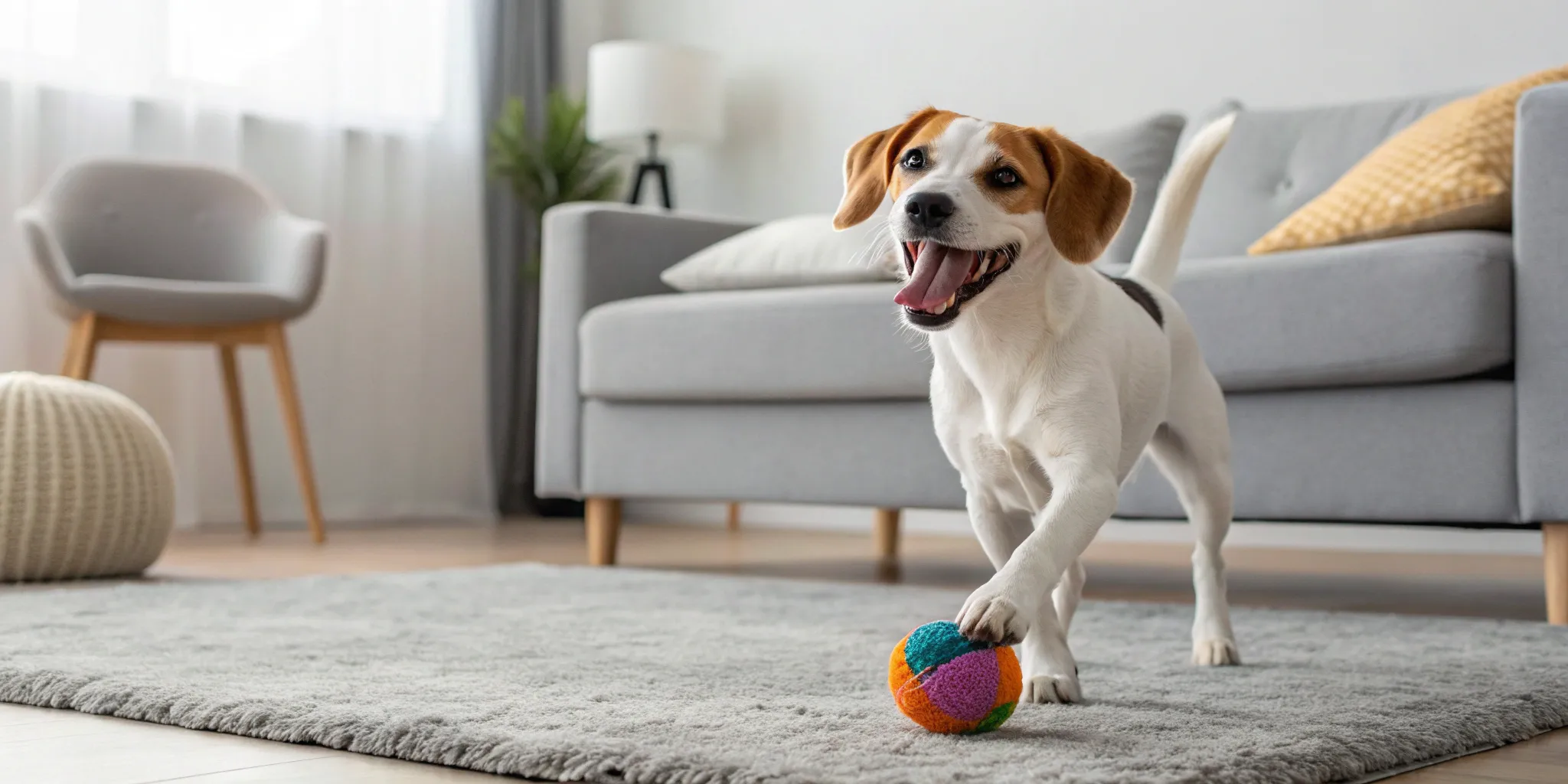
Your living room can easily become the perfect puppy playground. Classic games like fetch (with a soft ball!) or a gentle game of tug-of-war are fantastic for burning energy in small spaces. You can also combine playtime with training. For example, set up a “home base” like a small mat or bed and practice asking your puppy to “sit” and “stay” there between throws of a toy. This teaches valuable impulse control. Another great option is hide-and-seek; have your puppy stay while you hide, then call them to find you. It’s a fun way to practice recall while engaging their mind and body. Investing in a few durable puppy toys will make these indoor sessions even more exciting.
Creative Ways to Burn Energy
When a simple game of fetch isn’t enough, it’s time to get creative. You can easily set up an indoor obstacle course using things you already have. Line up some pillows for them to hop over, create a tunnel with a blanket draped over two chairs, and use a broomstick on a stack of books as a low jump. You can also engage their powerful sense of smell with “scent work.” Hide a few high-value treats around the room and encourage your puppy to “find it.” Sniffing is incredibly mentally taxing for dogs, and just 15 minutes of this game can be as tiring as a long walk. These activities prevent boredom and build your puppy’s confidence.
Tips for Apartment Life with a New Puppy
Bringing a puppy into an apartment is an exciting new chapter, and with a few smart strategies, you can create a happy and harmonious home for everyone. It’s all about being creative with your space, establishing solid routines, and being a considerate neighbor. These tips will help you and your new furry friend settle into city living with ease, turning your apartment into the perfect puppy paradise. Whether you’re in a cozy studio in New York or a spacious flat in New Jersey, you can absolutely make it work.
Making the Most of Your Space
You don’t need a huge house to raise a happy puppy; you just need to get creative. Turn your living room into a playground by setting up an indoor obstacle course. You can use pillows to crawl under, blankets to create tunnels, and even a row of shoes for them to weave through. Games like hide-and-seek with their favorite toy or a gentle game of fetch down a hallway are fantastic for burning energy. Investing in some engaging pet toys and accessories like puzzle feeders can also provide much-needed mental stimulation, which is just as important as physical exercise for a growing pup.
Potty Training Without a Yard
Potty training in an apartment might seem daunting without a backyard, but the secret is a rock-solid routine. Consistency is everything. Plan to take your puppy out first thing in the morning, last thing before bed, and immediately after every meal, nap, and play session. When you’re starting, this might mean trips outside every hour or two. Choose a designated potty spot close to your building and use a consistent command. Accidents are a normal part of the process, so stay patient and positive. A strict bathroom schedule is your best tool for success.
Keeping the Neighbors Happy
Living in close quarters means being mindful of those around you. To keep noise to a minimum, make sure your puppy gets plenty of exercise—a tired pup is a quiet pup. If you have hardwood floors, laying down a few area rugs can help muffle the sound of playful pounces. Always keep your puppy on a leash in shared spaces like hallways, elevators, and lobbies. This keeps them safe and shows respect for neighbors who might be nervous around dogs. Choosing a puppy from a breed known for being less vocal can also be a great head start for peaceful apartment living.
Socializing Your City Pup
City life provides an incredible backdrop for socializing your puppy. Safely expose them to the unique sights and sounds of your New Jersey or New York neighborhood, from bustling sidewalks to sirens in the distance. Positive, controlled introductions to new people and other dogs are key to raising a confident, well-adjusted companion. Supervised visits to a local dog park can be a wonderful way for your pup to learn social skills and burn off steam. For many families, finding the perfect puppy for sale is just the first step; creating a rich social life for them is what helps them truly thrive.
Setting Up Your Apartment for a New Puppy
Bringing a new puppy home is one of life’s most exciting moments, especially when you live in a New Jersey or New York apartment. While you might not have a sprawling backyard, you can absolutely create a perfect, puppy-friendly haven in your space. A little bit of planning before your furry friend arrives makes all the difference, ensuring a smooth and happy transition for everyone. Getting your home ready isn’t just about buying cute toys; it’s about creating a safe, structured, and loving environment where your puppy can thrive. By thinking through their needs and setting up your apartment accordingly, you’re laying the foundation for a wonderful life together. From establishing their own little corner to making sure every room is safe for curious paws and noses, these steps will help you welcome your new companion with confidence.
Create a Designated Puppy Zone
Every puppy needs a space to call their own, even in a cozy apartment. Creating a designated “puppy zone” gives them a sense of security and helps establish boundaries from day one. This area should be their safe haven—a place to rest, play quietly, and decompress. Set up a comfy bed or an open crate with soft bedding, a water bowl, and a few favorite chew toys. This spot becomes their “home base,” a predictable and comforting place they can retreat to whenever they need a break. It’s important that this zone is always a positive space, never used for time-outs, so they learn to love it.
Essential Gear for Small Spaces
You don’t need a ton of room to keep a puppy happy, just the right gear. Beyond the basics like a leash and bowls, focus on items that make the most of your apartment. A properly sized crate can double as a cozy den, and a foldable playpen can create a safe area for playtime when you can’t supervise directly. To keep your pup mentally and physically stimulated, you can even get creative with what you already have. Use chairs, cushions, and blankets to build fun tunnels and simple obstacle courses. Interactive puzzle toys are also fantastic for small spaces, as they challenge your puppy’s mind and burn energy without requiring a lot of running around. You can find a great selection of toys and accessories in our pet boutique.
How to Puppy-Proof Your Apartment
Puppies explore the world with their mouths, so making your apartment safe is a top priority. Before your new family member arrives, it’s essential to puppy-proof each space they’ll have access to. Get down on their level—literally, on your hands and knees—to spot potential hazards you might otherwise miss. Secure loose electrical cords, move houseplants that could be toxic if chewed, and make sure all cleaning supplies, medications, and human foods are stored out of reach. Check for small items they could swallow and ensure your trash cans have secure lids. This proactive approach creates a safe environment for your puppy to explore, giving you peace of mind. For more tips on preparing for your new arrival, check out our FAQs.
Essential Training for Your Apartment Puppy
Training is the foundation of a happy life with your new puppy, especially in an apartment. It’s all about clear communication and setting your little one up for success in a smaller space. By establishing routines and teaching a few key commands right from the start, you can ensure your puppy grows into a well-behaved companion who is a joy to live with, both for you and your neighbors. These essential training pillars will make your transition into puppy parenthood in New Jersey or New York a smooth and positive experience.
Mastering House Training
House training a puppy without a backyard might seem daunting, but it’s entirely achievable with a solid plan. The secret is consistency. You need to establish a strict bathroom schedule based on your puppy’s age and needs. This means taking them out first thing in the morning, last thing at night, and after every meal, nap, and play session. When you take them to their designated spot, use a consistent verbal cue. The moment they finish, offer lots of praise and a tasty treat. This positive reinforcement helps them quickly learn where they’re supposed to go.
Teaching the “Quiet” Command
In an apartment building, a barking puppy can quickly become a source of stress. Teaching a “quiet” command is a gift to yourself and your neighbors. The key is to use positive training and reward your dog for good behavior. When your puppy starts barking, say “Quiet” in a calm but firm voice. The second they pause, even just to take a breath, praise them enthusiastically and give them a treat. Avoid shouting, as this can make them think you’re joining in. A tired, mentally stimulated puppy is also a quieter puppy, so make sure they have plenty of engaging puzzle toys to keep them busy.
Leash Skills for Hallways and Elevators
Navigating shared spaces like hallways, lobbies, and elevators requires good leash manners. These areas can be full of new sights, sounds, and people, so it’s important to keep your pup on a leash for their safety and the comfort of others. Start practicing walking calmly on a leash inside your apartment before you even venture out. For elevators, teach your puppy to sit and wait patiently. Keeping the leash short will prevent them from darting in or out unexpectedly. Mastering these skills will make every trip outside, whether it’s a quick potty break or a walk through your New York neighborhood, a calm and enjoyable event.
Keeping Your Puppy Happy and Engaged Indoors
Living in an apartment doesn’t mean your puppy has to be bored. In fact, keeping your new friend mentally and physically stimulated indoors is one of the best things you can do for their well-being and your furniture. A tired puppy is a happy puppy, but mental exercise is just as important as physical activity, especially for the intelligent and curious puppies for sale you’ll find in New Jersey and New York. When a pup’s mind is engaged, they are less likely to get into mischief out of boredom, like chewing on shoes or barking excessively. This is especially crucial in smaller living spaces where every bit of energy needs a positive outlet.
Creating a stimulating indoor environment helps build a strong bond between you and your puppy, establishes healthy habits from the start, and ensures your apartment stays a peaceful, happy home for everyone. It’s about quality time, not just quantity of space. Think of your apartment as a playground full of opportunities for learning and fun. From brain-teasing puzzle toys to quick, upbeat training sessions, there are plenty of simple and effective ways to keep your little companion content, no matter the weather or the size of your living room. These activities don’t just burn energy; they build confidence and strengthen your communication, laying the foundation for a wonderful life together.
Puzzle Toys and Brain Games
Puzzle toys are a fantastic way to give your puppy’s brain a workout. These toys challenge your pup to sniff, nudge, and problem-solve to get to a hidden treat, which taps into their natural instincts and keeps them occupied. This kind of mental stimulation is incredibly effective at preventing boredom and can redirect destructive chewing habits toward an appropriate outlet. Our pet boutique offers a variety of options, from treat-dispensing balls that wobble and roll to snuffle mats that encourage foraging. Rotating a few different puzzle toys will keep things fresh and exciting for your puppy, making them a must-have for any apartment-dwelling dog parent.
Short, Fun Training Sessions
Training is more than just teaching commands; it’s a powerful bonding activity. Instead of long, formal lessons, focus on short, fun training sessions throughout the day. Just five to ten minutes at a time is perfect for a puppy’s attention span. Use positive reinforcement like tasty treats and lots of praise to teach basics like “sit,” “stay,” and “come.” Keeping the mood light and game-like will make your puppy eager to learn. These mini-sessions are a great way to burn mental energy and reinforce good manners, which is essential for harmonious apartment living. Understanding your pup’s unique personality, which you can learn about in our breed information guide, can help tailor these sessions to their learning style.
How to Prevent Boredom
A bored puppy is a creative puppy, and usually not in a way you’ll appreciate. The key to preventing boredom is establishing a routine that includes a variety of activities. Don’t let your pup have access to all their toys at once. Instead, rotate them every few days to maintain their novelty and excitement. Incorporate simple indoor games like “hide-and-seek” with a favorite toy or “find the treat” to engage their nose and mind. Even a few minutes of focused playtime can make a huge difference. A consistent schedule for meals, potty breaks, and play helps your puppy feel secure and understand what to expect, reducing anxiety and the likelihood of destructive behavior.
Creating a Daily Routine for Your Apartment Pup
Puppies thrive on predictability. A consistent daily routine helps them feel secure, understand expectations, and adapt more quickly to their new home, which is especially important in the close quarters of an apartment. Think of it as creating a simple, comforting rhythm for their day. From the first potty break in the morning to the final cuddle at night, a predictable schedule makes everything from house training to crate training go more smoothly. It helps manage their energy levels, preventing those sudden bursts of zoomies when you’re trying to relax. Establishing this structure from day one will build a strong foundation for a happy, well-behaved companion who understands the flow of your life together in your New Jersey or New York home.
The Perfect Morning Schedule
Your puppy’s day should start the same way every morning: with an immediate trip outside for a potty break. Consistency is your best friend for house training. Carry your little one straight from their crate to their designated spot to avoid accidents along the way. After they’ve done their business, offer lots of praise. Morning is also the perfect time for their first meal of the day, followed by a short and sweet play session. This little bit of activity helps burn off some of that morning energy and reinforces your bond. Before you settle in for work or your own morning routine, take them out one more time to ensure they’re comfortable and ready for a mid-morning nap.
Midday Play and Nap Time
Apartment life requires some creativity to keep a puppy exercised and engaged. Your lunch break is the perfect opportunity for a midday energy burn. You can create a fun indoor obstacle course using pillows, blankets, and chairs to encourage climbing and weaving. Interactive puzzle toys are also fantastic for mental stimulation. After a good play session and another potty break, it’s time to guide your puppy to their designated “home base”—a comfy bed or crate where they learn to settle down and relax. This teaches them valuable boundaries and gives them a safe space to nap, ensuring they get the rest they need to grow. Check out our pet boutique for toys perfect for indoor fun.
Your Evening Wind-Down Routine
As the day winds down, your puppy will need to release their last bits of energy before settling in for the night. Plan for an evening walk and a final play session. When walking on busy city streets, always keep your pup on a leash to ensure their safety. This walk is a great chance to practice leash manners and socialize them with the sights and sounds of your neighborhood. After your walk, a final, light play session can help them get tired out. Following playtime, offer their dinner and then begin to quiet the household. Dim the lights and lower your voices to signal that it’s time to rest. One last potty trip before bed will set you both up for a peaceful night.
Related Articles
- How to Prepare for an Apartment Puppy
- 8 Perfect Small Dogs for Apartment Living
- Meet the Smallest Toy Breed Dog: A Full Guide
Frequently Asked Questions
Besides size, what’s the single most important factor when choosing an apartment puppy? A puppy’s energy level and temperament are far more important than their size. A tiny dog with boundless energy can feel more cooped up in an apartment than a larger, mellow dog who loves to lounge. Be honest about your own lifestyle. If you prefer quiet evenings, look for a puppy with a calm, adaptable personality who won’t be easily overwhelmed by the sounds and activity of apartment life.
My apartment has thin walls. How can I prevent my puppy from becoming a noisy neighbor? The best approach is to be proactive. Start teaching a “quiet” command from day one, rewarding your puppy the instant they stop barking. It’s also crucial to ensure they get enough mental and physical exercise. A puppy who is tired from a good walk and mentally stimulated with puzzle toys is much less likely to bark out of boredom or restlessness.
Is a crate really necessary in a small apartment? It seems like it takes up so much space. While it might seem counterintuitive, a crate can be one of your most valuable tools in a small space. Think of it less as a cage and more as your puppy’s personal bedroom—a safe, cozy den where they can feel secure. It’s incredibly helpful for establishing a house-training routine and gives you peace of mind knowing they have a safe spot when you can’t supervise them directly.
I don’t have a yard for my puppy to run in. How do I know if they’re getting enough exercise? You’ll know your puppy is getting enough exercise by their behavior. A well-exercised pup will be content to settle down and relax after a play session or a walk, rather than pacing restlessly or getting into mischief. Remember that mental stimulation, like short training sessions or working on a puzzle toy, is just as tiring for a puppy as physical activity.
I live in an apartment and work during the day. Can I still get a puppy? Absolutely, but it requires careful planning. The key is creating a solid routine and ensuring your puppy isn’t left alone for too long, especially in the beginning. You’ll need to arrange for a midday potty break, whether you come home yourself or have a trusted friend help out. Choosing a puppy with a more independent nature can also make a big difference.