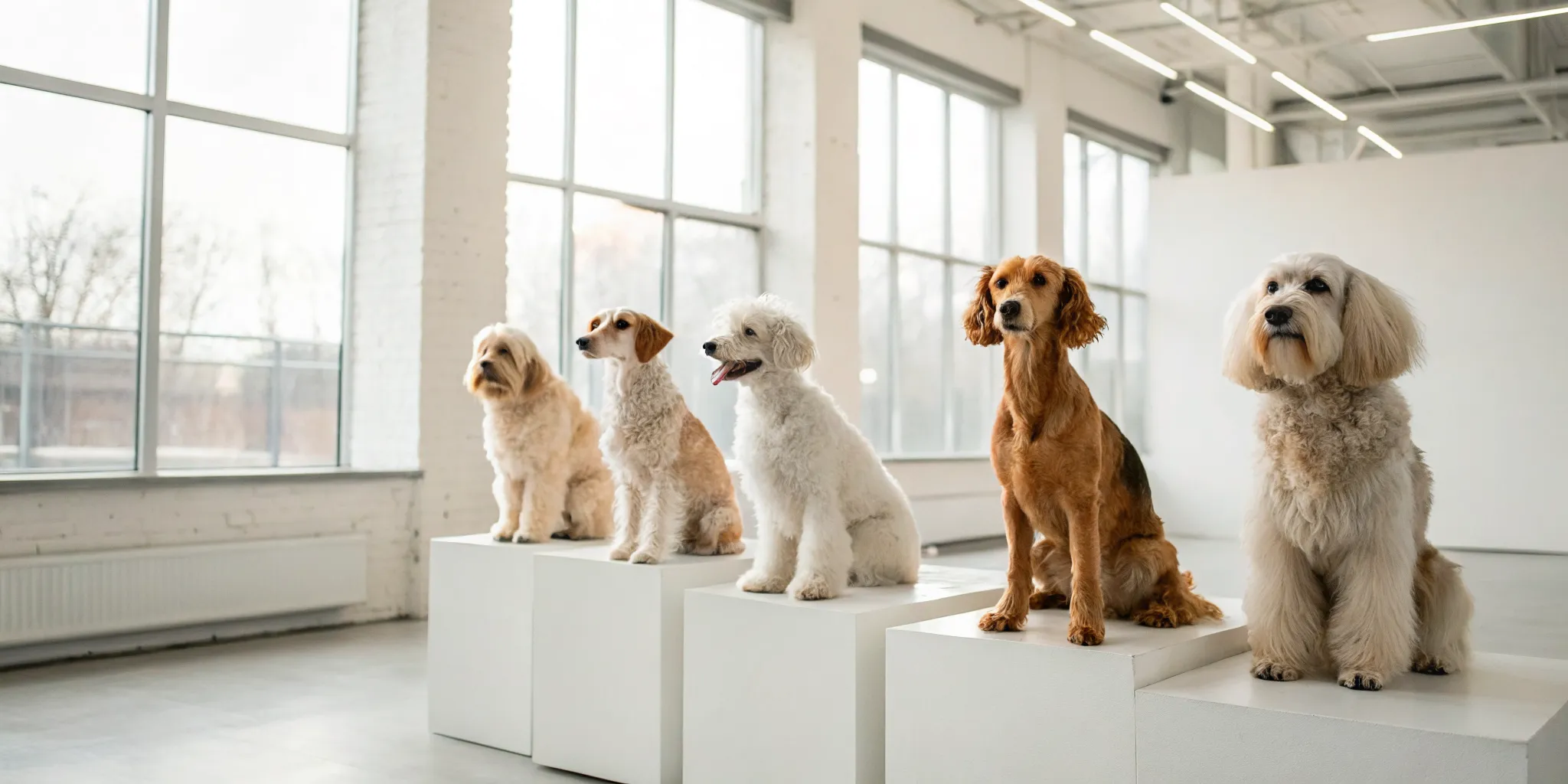
There is no one-size-fits-all answer when it comes to puppy care. A fluffy Pomeranian has very different needs than a sleek French Bulldog, and their upkeep schedules should reflect that. Instead of following a generic rule, the best approach is to create a personalized plan tailored to your puppy’s unique coat, breed, and lifestyle. So, if you’re wondering how often should you groom a dog, the answer starts with understanding what makes your pup special. This article will walk you through the different coat types and activity levels, giving you the tools to design a simple, effective routine that keeps your puppy comfortable, healthy, and looking their absolute best.
Key Takeaways
- Create a custom coat care schedule: The right routine for brushing and bathing isn’t one-size-fits-all; it should be based on your puppy’s specific coat type, breed, and how active they are.
- Use brushing as a wellness check: Regular brushing does more than prevent tangles; it’s your opportunity to check your puppy’s skin for irritation, pests, or any unusual lumps and bumps.
- Watch for signs your puppy needs attention: Beyond your regular schedule, pay attention to cues like matted fur, a new odor, or excessive scratching, as these are clear signals that your pup needs some extra care.
How Often Does Your Puppy Need a Brush and Bath?
Figuring out the right coat care schedule for your new puppy can feel like a puzzle. You might wonder if you’re bathing them too much, or not brushing them enough. The truth is, there’s no single answer that fits every dog. The perfect routine depends on a few key things: their coat, their breed, their age, and even how much they love to roll around in the grass at the park.
Think of it as creating a custom wellness plan for your furry family member. Getting this routine right not only keeps them looking and smelling fresh, but it’s also a huge part of their overall health and happiness. It’s also a wonderful way to bond with your new companion. Let’s walk through the factors that will help you build the perfect coat care schedule for your pup.
Your Dog’s Coat Type and Length
The most significant factor in your puppy’s upkeep schedule is their coat. A dog with a short, sleek coat has very different needs from one with long, flowing fur or a thick double coat. For short-haired dogs, a bath is usually only necessary when they get visibly dirty or start to smell. Brushing them once a week is a great way to manage shedding and distribute their natural skin oils. Pups with longer or double coats, however, often need brushing several times a week, if not daily. This regular attention is key to preventing tangles and mats, which can be uncomfortable and lead to skin issues.
Breed-Specific Needs
A puppy’s coat type is directly linked to its breed. Each one has unique characteristics that have been developed over generations, and that includes their fur. For example, a French Bulldog’s fine, short coat requires minimal upkeep compared to the beautiful, dense coat of a Pomeranian. You can explore our breed information pages to get a better sense of what to expect from specific types of dogs. For long-haired breeds, you’ll want to set aside time for brushing at least a few times a week, with a bath every four to six weeks. For pups with thick undercoats, a special undercoat rake can be a lifesaver, especially during shedding season.
Your Puppy’s Age and Health
Just like with people, age plays a role in a dog’s personal care needs. When you first bring a puppy home, it’s important to introduce them to brushing and handling early and often. Use a soft brush and keep sessions short, positive, and full of praise. This helps them get used to the process, making future coat care a breeze. As dogs get older, their skin can become more sensitive, and they might develop joint pain that makes long sessions uncomfortable. For senior dogs, it’s best to stick to gentle, patient upkeep to keep them comfortable and happy in their golden years.
Lifestyle and Activity Level
Is your puppy a homebody who prefers cuddling on the couch, or an adventurer who can’t resist a muddy puddle? Your dog’s daily activities heavily influence how often they’ll need a bath. A pup who spends a lot of time playing outside in New Jersey parks will naturally need more frequent cleaning than one who primarily stays indoors. Don’t feel locked into a rigid schedule. Always pay attention to your dog. If you notice a new odor, see mats forming, or catch them scratching more than usual, it’s probably time for some extra attention, regardless of when their last bath was. Having the right supplies from our pet boutique can make these impromptu clean-ups much easier.
A Coat Care Schedule for Different Fur Types
Every puppy is unique, and so is their coat. Figuring out the right coat care routine can feel like a puzzle, but it really comes down to understanding your dog’s specific fur type. Whether you have a fluffy Pomeranian or a sleek French Bulldog, their coat has its own set of needs to stay healthy, comfortable, and tangle-free. Setting up a consistent schedule for brushing and bathing is one of the best things you can do for your new best friend. It’s not just about looking good; it’s about feeling good, too. This guide breaks down the basics for different coat types, helping you create a simple routine that keeps your puppy’s coat in top condition.
Short-Haired Breeds
If your puppy has a short, sleek coat, you’re in luck because their at-home care is quite straightforward. Think of breeds like Pugs or French Bulldogs. These pups benefit from a good brushing about once a week. This simple step helps remove loose hair and spreads their natural skin oils, giving their coat a beautiful, healthy shine. When it comes to bath time, you only need to suds them up when they get noticeably dirty or start to smell a little ripe. For many families in New Jersey, a bath about once a month is plenty to keep their short-haired companion fresh and clean without drying out their skin.
Long-Haired and Curly Coats
Puppies with long or curly coats, like a beautiful Shih Tzu or a playful Poodle, require a bit more attention to prevent tangles and mats. Daily brushing is your best friend here. A few minutes each day can stop small knots from turning into bigger problems, keeping their coat soft and flowing. These coats should be bathed every four to six weeks to stay clean and fresh. They will also need regular haircuts every couple of months to keep their fur at a manageable length and looking its best. You can find all the right brushes and gentle shampoos in our pet boutique to make your routine a breeze.
Double-Coated Breeds
Breeds with a double coat, such as Pomeranians and Siberian Huskies, have a dense, soft undercoat for insulation and a tougher topcoat to protect them from the elements. To keep this type of coat healthy, plan on brushing two to three times a week. During heavy shedding seasons, like spring and fall, you’ll want to make it a daily habit to manage all the extra fur. It’s important not to bathe double-coated dogs too often, as this can strip away the natural oils that keep their skin and fur healthy. A deep de-shedding treatment every 8 to 12 weeks can work wonders.
Wire-Haired and Silky Coats
Wire-haired puppies, like many terriers, have a coarse, bristly coat that needs special care to maintain its texture. They typically need a bath every six to eight weeks and a haircut every month or two. On the other hand, puppies with fine, silky coats, such as Yorkshire Terriers, often have oilier skin and may need more frequent baths to stay clean. Their delicate hair also requires regular trims every four to eight weeks to prevent tangles and keep them looking tidy. You can learn more about the specific needs of different puppies on our breed information page.
Your At-Home Puppy Care Checklist
Bringing your new puppy home is just the beginning of a wonderful adventure. A big part of that journey is learning how to care for their physical needs. Establishing a simple at-home care routine from the start will keep your puppy feeling great and strengthen your bond. Think of it as your special time together! Here’s a simple checklist to help you get started with the basics of coat, nail, and dental care for your new family member.
Brushing Techniques for Every Coat Type
Brushing is about more than just looking good; it’s essential for your puppy’s health. For pups with short hair, a quick brush once a week helps manage shedding and keeps their coat shiny. If your new friend has a longer or double coat, you’ll want to brush them every day or two to prevent tangles and mats from forming. Regular brushing distributes natural oils, removes loose fur, and gives you a chance to check their skin. You can find the perfect brush for your puppy’s specific coat type in our pet boutique.
How Often to Bathe Your Puppy
How often should you give your puppy a bath? It really depends on their coat, lifestyle, and how messy they get. For most short-haired dogs, a bath is only necessary when they’re visibly dirty or start to smell, which might be about once a month. Bathing too often can dry out their skin. For other coat types, the schedule might range from every few weeks to just a couple of times a year. After a fun day at a New Jersey park, a quick rinse or a full bath might be just what they need. The key is to use a gentle, puppy-specific shampoo.
Nail, Ear, and Dental Care Basics
Beyond their coat, a few other details need regular attention. Keeping your puppy’s nails trimmed is important for their comfort and posture. A good rule of thumb is to trim them when you hear them clicking on the floor. You should also check and gently clean their ears weekly, especially for floppy-eared breeds prone to moisture buildup. Finally, dental health is key. Aim to brush your puppy’s teeth a few times a week with a dog-friendly toothpaste. You can learn more about your pup’s specific needs on our breed information pages.
Signs Your Dog Needs Some Extra TLC
Sometimes, your puppy will give you clear signals that they need a little extra attention. Beyond your regular schedule, it’s important to watch for signs that their coat or skin needs a refresh. Paying attention to these cues not only keeps your dog looking and feeling great but also helps you stay on top of their overall health. A consistent coat care routine is one of the best ways to bond with your new family member while ensuring they remain comfortable and happy in their New Jersey or New York home. Think of it as a special spa day just for them.
Visual Cues: Matting, Odor, and Coat Health
Your eyes and nose are often the first to know when your puppy needs a bath and brush. If you notice their fur is starting to form tangles or mats, it’s a definite sign to act. Matting can be uncomfortable and pull on their skin. You might also notice a distinct “doggy” smell that a good bath can easily solve. Regular brushing and bathing are essential for removing dirt and loose fur, which has the added benefit of keeping your home and furniture cleaner. You can find all the right shampoos and brushes in our pet boutique to create the perfect at-home spa experience.
Behavioral Clues: Scratching and Discomfort
Your dog’s behavior can tell you a lot about how they’re feeling. If you see your puppy scratching, licking, or biting at their skin more than usual, it could be a sign of irritation. This is your cue to take a closer look. A hands-on brushing or bathing session is the perfect opportunity to check for anything unusual, like redness, dry patches, fleas, ticks, or small lumps. Catching these things early is key to addressing them quickly. Different puppies have different sensitivities, so learning about your specific breed information can help you know what to look for.
Seasonal Shedding and Outdoor Fun
As the seasons change here in New Jersey, so does your dog’s coat. You’ll likely notice more shedding in the spring and fall as your puppy gets rid of their old fur to make way for a new coat. Pups with long or double coats often need more frequent brushing during these times to help manage the shedding and prevent mats from forming. More time spent playing outside at local parks also means more dirt, pollen, and leaves caught in their fur. A quick brush-down after an outdoor adventure can make a big difference in keeping their coat clean and tangle-free.
Tips for Spot Cleaning and Paw Care
You don’t always need to do a full bath to keep your puppy fresh. Quick clean-ups can work wonders between spa days. Keep a pack of pet-safe wipes handy to gently clean your puppy’s face or tidy up any small messes on their coat. It’s also a great idea to wipe their paws after walks, especially on rainy or dusty days. This simple step keeps dirt and allergens from being tracked into your home. Taking a moment to check for any debris between their paw pads also ensures their feet stay healthy and comfortable.
Why Regular Coat Care Is So Important
Taking care of your puppy’s coat is about so much more than just keeping them looking cute. Think of it as a fundamental part of their health care routine and a wonderful way to bond. Consistent upkeep is essential for your dog’s overall health, not just their appearance. It helps prevent painful mats, skin infections, and other issues that can fly under the radar, ensuring your new family member stays happy from the inside out. This is a core part of responsible puppy ownership, and it’s easier to manage than you might think.
When you set aside time for brushing and bathing, you’re doing more than just cleaning their fur. You’re checking in on their physical well-being, strengthening your connection, and ensuring they feel comfortable and loved. This regular attention helps you catch potential problems early, from pesky fleas to unusual lumps, and keeps your puppy feeling their absolute best. A healthy coat is a clear sign of a happy, well-cared-for dog, and establishing a routine from day one sets you both up for a lifetime of wellness. It’s one of the best ways to show your puppy you care, building a foundation of trust that will last for years to come.
Preventing Skin Irritation and Matted Fur
Matted fur is more than just a cosmetic issue; it can be incredibly painful for your puppy. When loose hair gets tangled, it can form tight knots that pull on the skin, causing irritation, restricting airflow, and even hiding nasty infections or parasites. For dogs with long or curly coats, this can happen surprisingly fast.
Regular brushing is your best defense. By gently working through their coat every few days, you can remove loose fur and prevent tangles from forming in the first place. This simple habit keeps their skin healthy and their coat soft and comfortable. Every puppy has unique needs based on their coat, so learning about your specific dog’s breed information will help you create the perfect upkeep schedule.
Spotting Fleas, Ticks, and Other Pests
Your regular brushing sessions double as a hands-on health check. As you work through your puppy’s coat, you have the perfect opportunity to look for anything out of the ordinary. This close attention helps you find health problems early, like skin irritation, fleas, ticks, wounds, or lumps that might otherwise go unnoticed.
Get into the habit of parting the fur and looking at the skin, especially around the ears, neck, and tail. Catching pests or skin issues early makes them much easier to address and prevents them from becoming bigger problems. Our pet boutique has all the essential tools you’ll need to keep your puppy’s coat in top condition.
The Problem with Overgrown Nails
That familiar click-clack sound of your puppy’s nails on the floor is a clear sign that it’s time for a trim. Overgrown nails can be surprisingly problematic. They can force your dog to walk uncomfortably on the sides of their paws, which can affect their posture and even lead to joint pain over time. In severe cases, the nails can curl around and grow into the paw pads, causing pain and infection.
It’s important to keep your dog’s nails trimmed. Some owners do this weekly. If your puppy makes it difficult to trim their nails at home, your veterinarian or a professional pet stylist can help manage the task safely and stress-free.
Keeping Your Puppy Healthy and Comfortable
Ultimately, a consistent coat care routine is essential to your pet’s overall wellness. A clean, tangle-free coat allows their skin to breathe and helps them regulate their body temperature properly. It prevents the constant discomfort of itchy skin, painful mats, and overgrown nails, allowing them to be the happy, playful puppy they’re meant to be.
Beyond the physical benefits, the time you spend on their upkeep is a powerful bonding experience. It builds trust and reinforces your connection, teaching your puppy to be comfortable with being handled. This simple act of care shows them they are safe and loved, which is why we are so passionate about our puppies and their lifelong happiness.
Related Articles
- Grooming Tips for Dachshund Puppies: Coat Care Guide
- The 5 Best Slicker Brushes for Doodles
- How Often Should I Groom My Dog?
- 9 Small Dog Breeds That Don’t Shed
Frequently Asked Questions
Can I bathe my puppy too often? Yes, it’s possible to overdo it with baths. Bathing your puppy too frequently can strip the natural oils from their skin and coat, leading to dryness and irritation. A good rule of thumb is to bathe them only when they are visibly dirty or have a noticeable odor. For most puppies, a bath every four to six weeks is plenty, but this can change based on their coat type and how much time they spend playing outside.
What’s the best way to get my puppy comfortable with brushing? The key is to start early and keep it positive. Introduce the brush slowly and let your puppy sniff it first. Keep your initial sessions very short, just a few gentle strokes, and follow up immediately with praise and a favorite treat. By making it a pleasant and rewarding experience, your puppy will learn to associate brushing with positive attention, making it a much easier part of your routine as they grow.
Do I really need to brush my short-haired dog? Absolutely. While short-haired puppies don’t get tangles like their long-haired friends, regular brushing is still very beneficial. A weekly session with a soft brush or mitt helps remove loose fur, which reduces shedding around your home. It also helps distribute their natural skin oils, which keeps their coat healthy and gives it a beautiful shine. Plus, it’s a great way to check their skin for any issues.
What are the most essential supplies for at-home coat care? To start, you’ll want a brush or comb that’s appropriate for your puppy’s specific coat type, a gentle puppy-specific shampoo, and a pair of nail clippers. It’s also helpful to have some pet-safe wipes for quick clean-ups between baths. You can find a great selection of these essentials in our pet boutique to build the perfect at-home care kit for your new companion.
Besides a bath, what can I do if my puppy gets a little dirty after playing outside? You don’t always need a full bath for minor messes. For muddy paws or a little dirt on their coat, pet-safe wipes are a fantastic solution for a quick and easy clean-up. You can also use a damp towel to wipe them down. Keeping their paws clean after a walk in a New Jersey park is a simple habit that helps keep your home tidy and your puppy comfortable.