The dream of bringing a puppy home is universal, but so is the worry about having enough time and space. If you live in a New Jersey apartment or condo or have a schedule that doesn’t allow for hours of daily exercise, it’s easy to feel like you can’t provide the right environment. That’s where the wonderful world of low energy small dog breeds comes in. These pups were often bred specifically for companionship, making them perfectly suited for a life of cuddles, short walks, and indoor fun. They offer all the love and joy of a canine friend without requiring a marathon runner’s lifestyle, making them an ideal choice for many households.
Key Takeaways
- A calm dog still needs activity: “Low-energy” describes a pup who loves to relax but still needs daily gentle walks and engaging playtime to stay happy, healthy, and mentally sharp.
- Match the pup to your pace of life: Consider your daily routine and home environment to find the right companion. Calm breeds like French Bulldogs or Shih Tzus are perfect for apartment living and families who prefer cuddles over long hikes.
- Prepare your home for a happy start: Before your puppy arrives, get your space and budget ready. Puppy-proofing, having the right supplies, and planning for consistent training helps ensure a smooth and joyful transition for everyone.
What Does “Low-Energy” Really Mean for a Dog?
When you hear “low-energy,” it’s easy to picture a pup who does nothing but sleep all day. While these dogs are definitely professional-level nappers, the term really describes a companion who is content with a more relaxed pace of life. They’re the type of dog who is perfectly happy to curl up on the couch with you after a short walk, rather than needing hours of intense activity to feel settled.
But “low-energy” doesn’t mean “no-energy.” Every dog needs daily physical activity and mental engagement to stay healthy and happy. Without it, even the most chill pup can become restless, anxious, or overweight. The key difference is that for these breeds, a brisk walk around your New Jersey neighborhood, some indoor playtime, and lots of cuddles are often enough to keep their tails wagging. They fit beautifully into the lives of busy professionals, families with calmer routines, and anyone living in an apartment or a home without a huge yard.
Physical Traits of a Chill Pup
Certain physical features often go hand-in-hand with a more relaxed energy level. Many low-energy small dogs are brachycephalic, which is a fancy way of saying they have short snouts and flat faces. Think of the adorable, smooshed faces of Pugs and French Bulldogs. While incredibly charming, their short muzzles make it harder for them to breathe during intense exercise and cool down efficiently.
Because of this, they thrive on gentle, moderate activity instead of long runs. It’s also important to be extra careful with them in warm weather, as they can overheat easily. Understanding these traits helps you provide the right kind of care and find activities you can both enjoy safely. You can learn more about the specific needs of different dogs in our breed information guide.
The Temperament of a Calm Companion
Beyond their physical traits, low-energy dogs share a wonderfully calm and affectionate temperament. These breeds were often developed to be companions, so being a loving lap dog is practically in their job description. They form strong bonds with their families and are generally happy as long as they’re with their favorite people. For many families in New Jersey and New York, this is the perfect personality for a four-legged friend.
Their exercise needs are typically easy to manage, often requiring an hour or less of activity each day. This makes them excellent companions for seniors, busy individuals, or anyone who prefers a leisurely stroll to a five-mile run. Their sweet, gentle nature means they bring a sense of peace and joy to a home, asking for little more than your attention and a cozy spot to nap.
Meet the Best Low-Energy Small Dog Breeds
Our Favorite Couch Companions for New Jersey Families
Ready to find a furry friend who loves a good Netflix binge as much as you do? If your idea of a perfect day involves more cuddles on the couch than miles on the trail, a low-energy small dog might be your ideal match. These pups are perfectly suited for a variety of lifestyles, from cozy apartments in New York to spacious family homes in New Jersey. They prove that you don’t need a huge backyard to have a happy, fulfilled dog. Let’s meet some of the best breeds that prefer snuggles over sprints. You can see all the adorable puppies for sale and find your perfect companion.
Cuddly Cavaliers & Happy Havanese
If you’re looking for a pint-sized shadow that lives for affection, look no further than the Cavalier King Charles Spaniel. These dogs are famous for their gentle, loving nature and soulful eyes. A moderate daily walk is all they need to stay happy, with the rest of their time best spent curled up on your lap. Similarly, the Havanese is a small but sturdy charmer with a big heart. These happy-go-lucky pups are content with short walks and indoor playtime, making them wonderful companions for a more relaxed household. You can learn more about these and other dogs in our detailed breed information library.
Friendly Frenchies & Playful Pugs
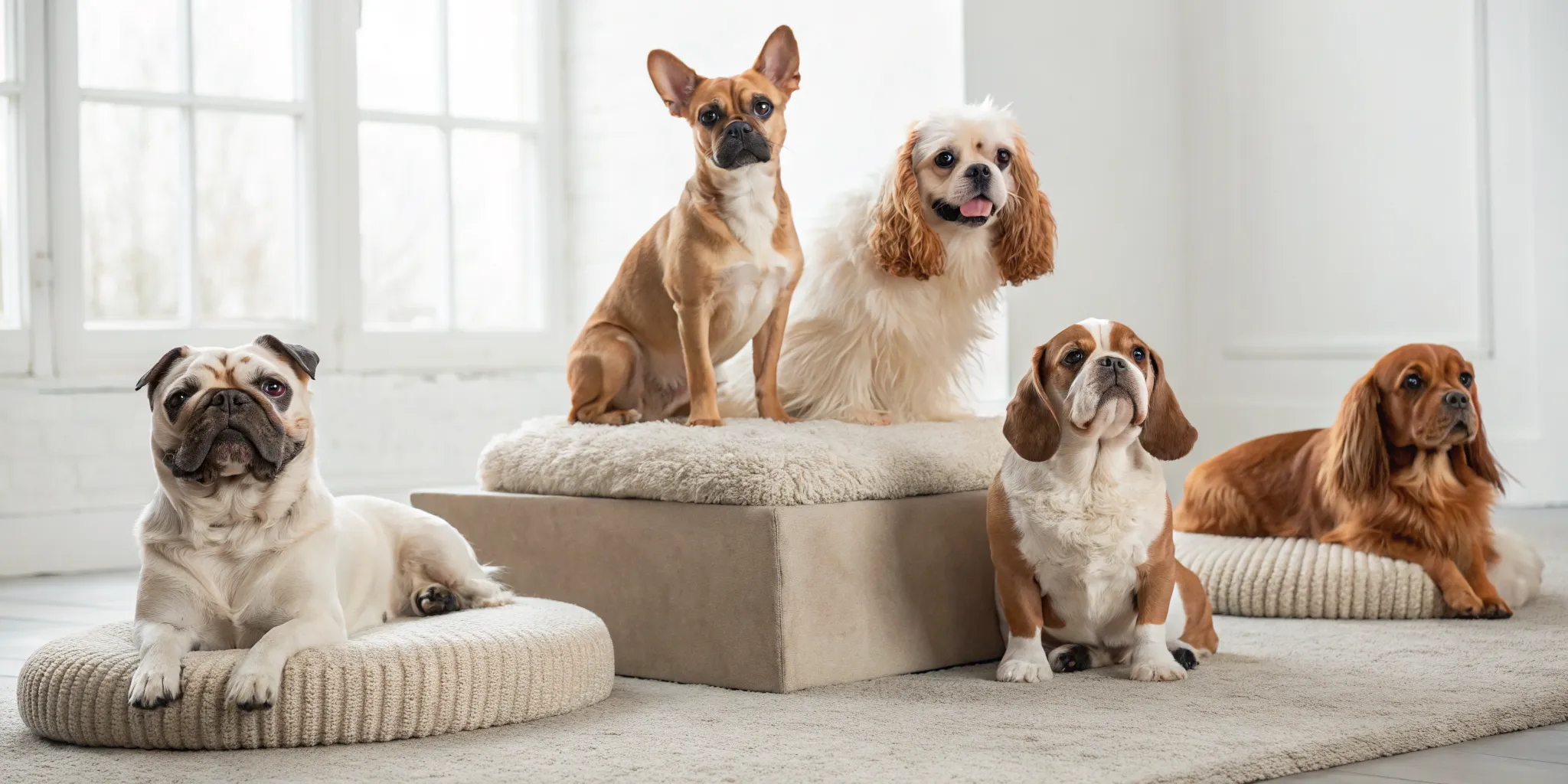
The French Bulldog, with its signature bat ears and sturdy frame, has a famously easy-going personality. Frenchies don’t require a lot of exercise and adapt beautifully to smaller living spaces, which has made them a favorite among city dwellers in New Jersey and New York. They are true companions who love being part of the family. Then there’s the Pug, a charming little character known for its affectionate and comical nature. Pugs are masters of lounging and are perfectly happy with moderate exercise. They are low-maintenance sweethearts who bring endless joy and laughter to any home, making them a fantastic choice for families.
Sweet Shih Tzus & Blissful Bichons
Bred for centuries to be the ultimate companion, the Shih Tzu is a true lap dog. These sweet-natured pups are happiest when they’re with their people, and their low energy levels make them ideal for indoor living. They thrive on attention and will reward you with endless affection and cuddles. The Bichon Frise is another delightful option, known for its playful but gentle spirit. These fluffy white dogs are incredibly adaptable and do well in apartments or houses. They love spending quality time with their families, whether it’s a short play session or just relaxing together. Their cheerful disposition makes them a wonderful addition for anyone seeking New York puppies.
Unexpected Snugglers: Italian Greyhounds & Dachshunds
Don’t let their sleek, athletic build fool you; the Italian Greyhound is a certified couch potato indoors. These dogs love nothing more than to burrow under a warm blanket and snuggle up next to you for hours. They enjoy a quick burst of energy outside but are true homebodies at heart. The Dachshund is another surprising low-energy companion. While they have a curious nature and enjoy their walks, they are generally content with a relaxed lifestyle and adapt well to smaller homes. Their independent yet affectionate personality makes them a unique and loving friend. If you have a specific breed in mind, our Puppy Concierge can help you find the perfect match.
How to Care for Your Low-Energy Small Dog
Bringing a low-energy small dog into your home is a joy, but “low-energy” doesn’t mean “no-energy.” These pups still need the right kind of attention to live their happiest, healthiest lives. It’s all about finding a wonderful balance of gentle exercise, mental fun, and consistent care. A happy couch companion is one whose needs are met, from short daily strolls to engaging indoor playtime. Creating a routine that works for both of you is the key to a beautiful friendship. By understanding their specific needs, you can make sure your calm companion is as content on the inside as they look on the outside.
Simple Exercise and Fun Indoor Games
Even the most relaxed pups need daily movement to stay healthy and happy. Without enough activity, they can become anxious or develop destructive habits. A short, leisurely walk around your New Jersey neighborhood is perfect. It gives them a chance to experience new sights and smells, which is great for their mental well-being.
On days when the weather isn’t cooperating, you can bring the fun indoors. A gentle game of fetch down a hallway or hide-and-seek with their favorite person can be a blast. You can also find plenty of exciting toys and accessories to keep them entertained. The goal is to provide consistent, gentle activity that keeps their body moving and their tail wagging.
Coat Care for Every Type of Fur
A beautiful coat requires a bit of upkeep, and this can be a wonderful way to bond with your new puppy. Different breeds have different needs. For example, a Maltese with its long, silky hair often needs daily brushing to prevent tangles, while a Bichon Frise’s curly coat requires regular attention to stay soft and clean.
Think of this time as a relaxing ritual for both of you. A few minutes of brushing each day can be a calm and loving activity that reinforces your connection. To learn more about the specific coat care your pup might need, you can explore our dog breed information pages. It’s a great resource for understanding what makes each breed so unique.
Keeping Their Minds Sharp (Without the Zoomies)
A quiet dog isn’t necessarily a bored dog, but it’s important to give their brain a workout, too. Mental stimulation is just as vital as physical exercise for a dog’s overall well-being. Without it, some pups can get a little down or restless.
Puzzle toys are a fantastic way to engage their minds. These toys challenge your dog to think and problem-solve to get a treat, which is incredibly rewarding for them. You can also practice basic training commands or teach them a fun new trick. These short, positive sessions are perfect for keeping their mind active without requiring a lot of physical exertion. It’s all about finding fun ways to keep them engaged and prevent boredom from setting in.
Special Care Tips for Flat-Faced Pups
Breeds with adorable, flat faces, like French Bulldogs and Pugs, have a few special requirements. Their short snouts, while incredibly cute, can make breathing a bit more challenging, especially during exercise. Because of this, it’s important to stick to gentle, low-impact activities. A calm walk is much better for them than a strenuous run.
You also need to be extra careful with them in hot weather. They can overheat more quickly than other dogs, so always provide plenty of water and a cool place to rest. Understanding the unique needs of these brachycephalic breeds ensures they stay safe and comfortable. Always prioritize their well-being, especially when the temperature starts to rise.
The Pros and Cons of a Low-Energy Dog
Choosing a low-energy dog can be a fantastic decision, but it’s important to understand what that lifestyle really looks like for both you and your pup. While they may not need to run a marathon every day, these calm companions still have needs that are important to meet. A low-energy dog isn’t a no-energy dog; they are simply content with a more relaxed pace of life. This makes them wonderful fits for many homes, especially in cities and suburbs across New Jersey and New York.
Understanding the balance is key. Their easygoing nature is a huge plus, but it comes with the responsibility of keeping them healthy and engaged. Let’s look at the benefits of having a chill companion and how to make sure they live their happiest, healthiest life with you.
Why They’re Great for Apartments and Busy Lives
If you live in an apartment or have a schedule that doesn’t allow for long hikes, a low-energy small dog can be a perfect match. These pups are often the ultimate cuddle buddies, happy to relax on the couch with you after a short walk. Their exercise needs are much easier to manage in smaller living spaces, making them ideal for city dwellers and those with less active lifestyles.
Many of these breeds are known for their loving, affectionate personalities, thriving on companionship. They make incredible family pets and devoted lap dogs. For many people in New Jersey and New York, finding a furry friend who fits into a less spacious home is a top priority, and these calm puppies for sale are often the perfect solution.
How to Handle Weight Gain and Boredom
Just because a dog is low-energy doesn’t mean they can skip daily activity. Without regular movement and mental stimulation, these pups can easily gain weight or become bored. A bored dog often finds its own entertainment, which might look like excessive barking or chewing on your favorite shoes. The key is to provide consistent, gentle exercise and engaging activities.
Several short, brisk walks each day and some dedicated playtime are usually enough to keep them physically healthy. To keep their minds sharp, try puzzle toys or simple training games. Our pet boutique has a wonderful selection of toys designed to challenge your pup and prevent boredom. Providing these outlets ensures your calm companion stays happy and well-behaved.
Common Health Topics to Be Aware Of
Some low-energy breeds, particularly those with adorable flat faces like French Bulldogs and Pugs, have unique health considerations. These breeds, known as brachycephalic, can have trouble breathing during intense exercise, especially in warm weather. It’s important to keep walks short and gentle and to avoid being outside during the hottest parts of the day.
Always provide plenty of fresh water and a cool place for them to rest. Being mindful of their physical limits is crucial for their well-being. If you’re curious about the specific needs of a certain pup, our breed information guides can help you learn more about their unique traits and how to best care for them.
Is a Low-Energy Small Dog Right for You?
Choosing a puppy is a huge, exciting decision! But before you get swept away by those adorable faces, it’s smart to take a moment and think about your own life. Finding a dog whose energy level and personality truly fit with yours is the secret to a happy life together. Let’s walk through a few key areas to consider to see if a calm, cuddly companion is the perfect match for you and your family.
Look at Your Daily Routine and Home Life
Think about your typical day. Are you constantly on the go, or do you prefer quiet evenings at home? Low-energy small dogs are wonderful companions for people with a more relaxed pace of life, including retirees or those living in condos apartments across New Jersey and New York. They thrive in calm environments and don’t require a huge backyard to be happy. If your idea of a perfect weekend involves more couch-surfing than hiking, one of these sweet pups could be your ideal sidekick. You can see all the different kinds of puppies for sale to find one that fits your lifestyle.
Match Your Pup’s Vibe to Your Family’s
Every family has its own unique energy, and your new puppy should complement it. Many low-energy small breeds are known for being incredibly loving and make fantastic lap dogs and family pets. Do you have young children who would love a gentle playmate, or are you looking for a devoted companion just for you? It’s all about finding the right personality fit. We encourage you to explore our breed information pages to learn about the different temperaments and find a pup whose vibe perfectly aligns with your household’s heart and soul.
Consider Your Available Time and Space
Low-energy doesn’t mean no-energy. Even the most relaxed pups need daily activity to stay healthy and happy. Most small companion dogs are content with about an hour or less of exercise each day, which can easily be broken up into short walks or fun indoor games. Without enough mental and physical stimulation, they can get bored or anxious. Making time for play and cuddles is essential. Having the right toys from our pet boutique can make indoor playtime a blast, ensuring your little friend gets all the attention they need to thrive in your home.
What to Know Before Bringing Your Puppy Home
Bringing a new puppy into your life is one of the most exciting things you can do. It’s a whirlwind of fluffy cuddles, tiny paws, and happy yips. To make sure the transition is smooth for both you and your new family member, it helps to think through a few key areas first. From understanding the costs to planning for training, a little preparation goes a long way in setting you both up for a happy life together. This is about creating a loving, stable environment where your new best friend can thrive from day one.
Budgeting for Your New Best Friend
Welcoming a puppy is a big commitment, and it’s smart to plan your budget ahead of time. Beyond the initial cost of your new companion, you’ll want to account for all the things that will keep them happy and healthy. This includes essentials like high-quality food, a comfy bed, toys, and regular vet check-ups. Even low-energy dogs need regular exercise and attention. If they don’t get enough activity, they can become restless and develop destructive habits like chewing. Planning for these needs helps ensure you’re ready for the financial side of puppy parenthood. For those in New Jersey and New York, exploring financing options can also make managing these initial costs much easier.
Why Socialization and Cuddles Matter
Low-energy dogs are famous for their snuggling skills. Many of these small breeds are known for being incredibly loving and make wonderful lap dogs and family pets. But a dog that seems “lazy” might actually be bored or sad because it’s not getting enough mental stimulation or affection. That’s why early socialization and plenty of cuddles are so important. Giving your puppy positive experiences with new people and gentle environments helps build their confidence. It teaches them that the world is a safe, fun place and strengthens your bond, ensuring they grow into a well-adjusted, happy adult.
Training Tips for Small Pups
When choosing a dog, it’s helpful to think about its specific needs, including how much training it will require. Small, low-energy breeds are intelligent and eager to please, which makes training a fun and rewarding experience. Start with the basics like house training and simple commands (“sit,” “stay”) using positive reinforcement. Consistency is key. It’s also a great idea to learn about the unique traits of your chosen pup. For example, if you have mild allergies, a Shih Tzu could be a great fit since they are considered hypoallergenic. You can find detailed breed information to better understand your puppy’s personality and care requirements.
Get Your Home Ready for a Small Pup
Bringing a new puppy into your life is one of the most exciting things you can do. To make their transition from our home to yours as smooth as possible, it helps to prepare your space ahead of time. Setting up a safe and comfortable environment ensures your tiny new friend feels secure from the moment they arrive. It’s all about creating a welcoming spot where they can relax, play, and start bonding with you and your family.
Must-Have Supplies for a Cozy Welcome
Before your puppy comes home, it’s a good idea to stock up on some essentials. A soft dog bed and a crate will give them a personal, safe space to rest. For mealtime, small pups often do well with raised feeding bowls, which are easier on their necks. Don’t forget a water bowl, potty pads, and both a regular and a retractable leash for walks. To keep their coat healthy, you’ll want a gentle brush and puppy-specific shampoo. Having these items ready means you can focus on cuddles and playtime from day one. Our pet boutique has a wonderful selection of high-quality supplies perfect for your new companion.
How to Puppy-Proof for a Small Breed
Small puppies are curious and can get into surprisingly tight spaces. Take a walk through your home from their perspective. Secure loose electrical cords, move any toxic houseplants to higher ground, and pick up small items they could accidentally swallow. It’s also smart to use baby gates to block off any areas that are off-limits. Designate a safe play area with plenty of appropriate toys. Choosing toys designed for small dogs is important to prevent any choking hazards. A little bit of prep work creates a safe environment where your puppy can explore and play without you having to worry.
Find Your Perfect Low-Energy Companion in New Jersey & New York
Finding the right puppy is about more than just picking a breed; it’s about finding a healthy, happy companion who was raised with love from the very beginning. The environment where a puppy spends its first weeks is so important for its health and social development. When you start your search for a new furry family member in New Jersey or New York, focusing on finding a truly reputable and caring place is the most important first step you can take. This ensures you’re bringing home a well-adjusted friend and supporting a business that puts the well-being of its puppies first.
Why a Reputable, Caring Place Matters
A top-notch puppy provider prioritizes the health and happiness of their animals above all else. When you visit, you should see a clean, comfortable, and loving environment where puppies are playful and socialized. The staff should be knowledgeable and genuinely passionate about helping you find a puppy that truly fits your lifestyle and personality. A great establishment is transparent and happy to answer all your questions about a puppy’s background and needs. Choosing a place with a stellar reputation gives you peace of mind, knowing your new best friend has had the best possible start in life. You can learn more about a company’s commitment by exploring their story and philosophy on puppy care.
The Next Step to Meeting Your New Puppy
Once you’ve found a place that feels right, it’s time for the most exciting part: meeting the puppies. The best way to find your perfect match is to spend quality time with them in a relaxed, unhurried setting. This allows you to see their true personalities shine. Are they cuddly and calm or a bit more curious? Don’t be shy about asking the staff for their insights. They spend every day with these little ones and can offer valuable information about each puppy’s unique temperament. Before you visit, you can often see the puppies available online to get an idea of who you might connect with. Take your time, enjoy the process, and get ready to fall in love.
Related Articles
- The Top 8 Small Toy Dog Breeds: A Guide
- United States’ Top 10 Small Dog Breeds Revealed
- 7 Best Small Hypoallergenic Puppies for 2025
- Top 10 Small Dog Breeds With Pictures: A 2025 Guide
- Top 10 Small Dog Breeds: Which is Right for You?
Frequently Asked Questions
Does “low-energy” mean my dog won’t want to play? Not at all. A low-energy dog still loves to have fun, they just have less stamina than a high-energy breed. Think of them as sprinters, not marathon runners. They are perfectly happy with short, engaging play sessions, a fun game of fetch down the hallway, or working on a puzzle toy. It’s more about quality time and gentle activity rather than hours of intense exercise.
Are low-energy dogs a good choice for families with children? Many low-energy breeds have wonderfully gentle and affectionate temperaments, which can make them fantastic family companions. Breeds like the Cavalier King Charles Spaniel and the Bichon Frise are known for being loving and patient. The key is to teach children how to interact calmly and respectfully with a small dog to ensure a safe and happy relationship for everyone.
How do I keep a calm dog from getting bored or overweight? This is a great question because it gets to the heart of responsible ownership. The best approach is a consistent routine that includes both physical and mental activity. A daily walk around your neighborhood provides gentle exercise and important mental stimulation. Indoors, you can use puzzle toys and practice simple training commands to keep their mind sharp. This combination prevents boredom and helps maintain a healthy weight.
I live in an apartment in New Jersey. Is a low-energy dog really a good fit? Yes, they are often an ideal match for apartment living. Since these dogs don’t require a large yard to run in, they can be perfectly content in smaller spaces as long as their needs are met. A daily walk for bathroom breaks and exploration, combined with some indoor playtime, is usually all they need to stay happy and healthy in a city or suburban home.
What’s the biggest mistake new owners of low-energy dogs make? The most common mistake is assuming “low-energy” means “no-effort.” Every dog, regardless of energy level, needs daily attention, gentle exercise, and mental engagement to thrive. Neglecting their need for a daily walk or playtime can lead to boredom, anxiety, or health issues. The secret to a happy couch companion is providing consistent, loving care every single day.