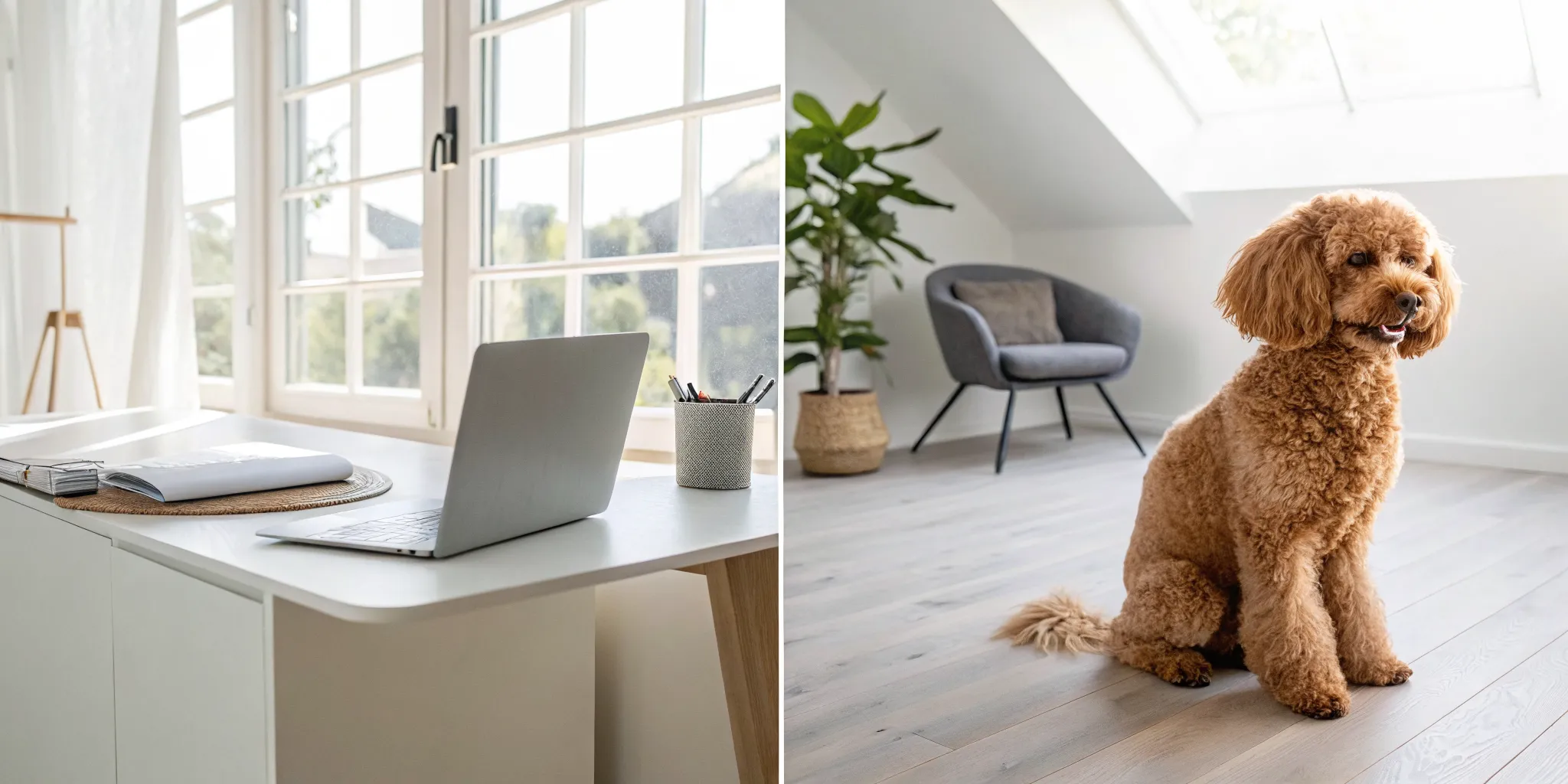
The Toy Poodle is so much more than a stylish lap dog. These tiny companions are packed with a huge personality, incredible intelligence, and a deep sense of loyalty that makes them amazing friends. Their small stature belies a confident and playful spirit that can light up any home in New Jersey or New York. However, that big personality comes with specific needs that are important to understand from the start. To help you get a clear and balanced view, we’re breaking down all the toy poodle pros and cons. From their easy trainability to their dislike of being left alone, we’ll explore what it truly means to share your life with one of these special dogs.
Key Takeaways
- A smart companion for modern living: Their small size makes them ideal for apartments and city life, but their big hearts need company. Toy Poodles are best for homes where someone is often around to share in their affectionate nature.
- Commit to their signature coat: That beautiful, low-shedding coat needs consistent care to stay healthy. A daily brushing routine at home, combined with professional styling every four to six weeks, is essential to prevent matting.
- Train with positivity and gentle hands: Their high intelligence makes training a rewarding experience, especially with positive reinforcement. Remember their delicate size, and always supervise interactions with young children to ensure everyone stays safe and happy.
Why You’ll Love a Toy Poodle
If you’re looking for a dog that combines elegance, intelligence, and a whole lot of love into one tiny package, the Toy Poodle might be your perfect match. These pups are more than just a pretty face; they have a charming personality that wins over families and individuals alike. From their quick wit to their deep loyalty, Toy Poodles have a special way of fitting right into your life, whether you’re in a bustling New York apartment or a cozy home in New Jersey. They bring so much joy and companionship, making every day a little brighter.
What truly sets the Toy Poodle apart is its remarkable adaptability. This is a breed that feels just as at home cuddling on a sofa as it does learning a new trick or taking a brisk walk through the park. Their small stature belies a confident and proud demeanor, a holdover from their larger Poodle ancestors who were skilled water retrievers. While they may not be retrieving ducks today, that same intelligence and trainability shine through in everything they do. For families looking for a four-legged friend that fits seamlessly into their lifestyle, the Toy Poodle offers a unique blend of sophistication and playful fun. They are a testament to the idea that great things come in small packages.
They’re Smart and Easy to Train
One of the most celebrated traits of the Toy Poodle is their incredible mind. These dogs are highly intelligent, consistently ranking as one of the smartest breeds. This intelligence isn’t just for show; it makes them wonderfully easy to train. Whether you’re teaching basic commands like “sit” and “stay” or moving on to more complex tricks, your Toy Poodle will likely pick things up with surprising speed. Their eagerness to please and sharp intellect make potty training and obedience lessons a more straightforward process, which is a huge plus for first-time dog owners. This means less time struggling with training and more time enjoying fun activities with your clever new companion.
A Loyal, Loving Companion
Beyond their brains, Toy Poodles have huge hearts. They are incredibly affectionate and form deep, lasting bonds with their families. This breed thrives on being close to their people, whether that means cuddling on the couch after a long day or following you from room to room. Their loyal nature makes them fantastic companions who offer unwavering friendship and support. They are generally friendly and social, happy to be part of a family with children or a devoted friend to a single owner. If you’re looking for a dog that will be a true member of the family, the Toy Poodle’s loving personality is hard to beat.
A Great Choice for Allergy Sufferers
Do you or someone in your family struggle with allergies? The Toy Poodle might be the answer you’ve been looking for. Unlike many other breeds, they have hair instead of fur, which is a game-changer for allergy sufferers. Their curly coat is considered hypoallergenic because it doesn’t shed in the same way other dogs’ fur does. Instead of finding hair all over your furniture and clothes, any loose hair gets trapped in their curls. This significantly reduces the amount of dander released into your home, making life much more comfortable for those with sensitivities. It’s a wonderful benefit that allows more people to experience the joy of dog ownership.
The Ideal Apartment Dog
Toy Poodles are perfectly suited for apartment living. Their petite size means they don’t need a huge house or a sprawling backyard to be happy and healthy. They can get plenty of exercise with daily walks around your New Jersey neighborhood and indoor playtime. Because they are so small, they adapt well to cozier living spaces, making them a popular choice for city dwellers in places like New York. As long as they get enough mental stimulation and physical activity each day, they are content to live in smaller homes. Their adaptable and manageable size makes them a practical and popular choice for modern living.
Your Perfect Travel Buddy
Love to take weekend trips or go on vacation? Your Toy Poodle will be more than happy to tag along. Their compact size makes them incredibly easy to travel with, whether you’re traveling by car or plane. They can fit comfortably in a small carrier, and many hotels and rentals are more welcoming to small dogs. Instead of worrying about finding a pet sitter, you can bring your best friend along for the adventure. Their adaptable nature means they are usually content as long as they are with you, making them the perfect plus-one for all of your travels and explorations.
What to Know Before Getting a Toy Poodle
Toy Poodles are incredibly charming, but like any dog, they have specific needs that are important to understand before you bring one home. Thinking through these aspects of their personality and care ensures you’re fully prepared to give your new puppy a wonderful life. From their signature coat to their spirited personality, knowing what to expect will help you build a strong, happy bond from day one. A little preparation goes a long way in making the transition smooth for both you and your new tiny companion.
Considering these key points will help you decide if this intelligent and affectionate dog is the right match for your home and lifestyle. Let’s look at a few things every potential Toy Poodle owner should know.
Their Coat Needs Consistent Care
That beautiful, curly coat is one of the Toy Poodle’s most famous features, and it requires a dedicated routine. Because they have hair instead of fur, it grows continuously and doesn’t shed much, which is great for allergy sufferers. However, this also means their coat can easily become tangled or matted without regular attention. You’ll want to brush your Toy Poodle daily to keep their hair soft and free of knots. In addition to daily brushing, they need a professional trim every four to six weeks to keep their coat healthy and manageable. This consistent coat care is an essential part of their well-being.
They Don’t Like Being Alone
Toy Poodles form incredibly strong bonds with their families and thrive on being close to their people. They are true companion dogs who want to be involved in everything you do. This devotion is heartwarming, but it also means they can be prone to separation anxiety if left by themselves for long stretches. If your household is empty for most of the day, a Toy Poodle might struggle with the solitude. It’s important to provide them with plenty of engaging toys from our pet boutique and to gradually teach them that being alone for short periods is okay. They are happiest in a home where someone is usually around to offer a cuddle.
Managing Their Barking
These little dogs have big personalities and they aren’t shy about expressing themselves. Toy Poodles can be quite vocal, often barking to alert you to visitors, new sounds, or anything they find exciting. While this makes them excellent little watchdogs, it’s a behavior that needs guidance. Consistent training and positive reinforcement can teach them when it’s appropriate to be quiet. Keeping their sharp minds busy with puzzle toys and regular playtime also helps reduce unnecessary barking. A mentally stimulated Poodle is a happy and often quieter Poodle, as noted by canine experts.
They’re Delicate Around Small Kids
Due to their tiny size, Toy Poodles are more fragile than larger dogs. Their small bones can be easily injured by rough play, which is an important consideration for families with very young children. While they can be wonderful family pets, all interactions between a Toy Poodle and a small child should be supervised. It’s essential to teach children how to be gentle and respectful with their tiny friend. With proper guidance, they can get along beautifully, but their safety must always come first. For more information on finding the right puppy for your family, check out our breed information pages.
Understanding the Costs
Bringing a new puppy home is a significant financial commitment, and it’s wise to plan ahead. The initial investment for a well-cared-for Toy Poodle is just the beginning. You’ll also need to budget for ongoing expenses, including high-quality food, regular vet check-ups, vaccinations, and professional coat maintenance. Don’t forget the fun extras like toys, treats, and stylish accessories from our boutique. To help families welcome their perfect puppy without financial stress, we offer convenient financing options that make managing the initial cost much easier. Planning for these expenses ensures you can provide the best possible care for your new family member.
Common Toy Poodle Health Concerns
Toy Poodles are generally a healthy and long-lived breed, often gracing their families with love for 15 years or more. Like all dogs, however, they can be predisposed to certain health conditions. Being aware of these potential issues is a key part of responsible pet ownership, allowing you to provide the best possible care for your tiny companion. Partnering with a trusted veterinarian for regular check-ups is the best way to stay on top of your puppy’s health from day one.
Understanding these possibilities isn’t about worrying; it’s about being prepared. When you know what to look for, you can catch potential problems early and ensure your pup gets the support they need to live a happy, comfortable life. From their tiny teeth to their delicate joints, a little extra awareness goes a long way in caring for your Toy Poodle. For more general information on the breed, you can explore our detailed dog breed info guides.
Potential Genetic Conditions
Certain health issues can be passed down in Toy Poodle lines, so it’s important to be aware of them. Conditions like Legg-Calve-Perthes Disease, which affects the hip joint, and Von Willebrand’s Disease, a blood-clotting disorder, are things to know about. While they sound serious, their occurrence is minimized when puppies come from a background of health-conscious care. At Furrylicious, we prioritize the health and well-being of every puppy, ensuring they get a wonderful start in life. Knowing your puppy’s history and maintaining regular vet visits are the best steps you can take to manage their long-term health.
Dental Health and Care
Just like other small breeds, Toy Poodles can be prone to dental problems. Their small mouths can lead to crowded teeth, making them more susceptible to plaque and tartar buildup. The best defense is a good offense: daily tooth brushing. It might sound like a lot, but getting your puppy used to it early will make it a quick and easy part of your routine. You can find puppy-safe toothbrushes and toothpaste at our pet boutique. Regular professional cleanings with your vet are also essential to keep their pearly whites in top shape for years to come.
Joint and Knee Problems
Toy Poodles have a delicate bone structure, and one common issue to watch for is Patellar Luxation. This is a fancy term for a kneecap that can temporarily slip out of place. You might notice your pup skipping for a step or two or briefly holding up a back leg while running. In many cases, it’s a mild issue that doesn’t cause much pain, but it’s important to have it checked by your vet. They can determine the severity and recommend a course of action, which might include joint supplements or, in more serious cases, surgery to prevent arthritis later in life.
Eye Health Awareness
Keeping an eye on your Toy Poodle’s vision is important. They can be susceptible to an inherited condition called Progressive Retinal Atrophy (PRA), which can lead to vision loss over time. While there isn’t a cure, awareness is key. You may also notice your Toy Poodle has runny eyes or tear stains, which is common in the breed. Often, this is just a cosmetic issue, but it’s always a good idea to have your vet confirm there isn’t an underlying problem like a blocked tear duct. Wiping the area with a soft, damp cloth daily can help keep their face clean and comfortable.
Low Blood Sugar in Puppies
When they are very young, tiny puppies like Toy Poodles can be prone to hypoglycemia, or low blood sugar. Because their bodies are so small, they don’t have large energy reserves and can experience a dip in blood sugar if they go too long between meals. It’s crucial to ensure your new puppy is eating small, frequent meals throughout the day. Signs of hypoglycemia include weakness, lethargy, and shivering. We provide all new families with detailed feeding instructions to help you navigate this early stage and ensure your puppy stays happy and energetic as they grow. You can find more puppy care tips on our FAQs page.
Toy Poodle vs. Other Poodle Sizes
Poodles come in three distinct sizes: Toy, Miniature, and Standard. While all are intelligent and stylish, their needs and personalities differ. If you’re drawn to the Poodle’s charm but prefer a pint-sized package, here’s how the Toy Poodle compares to its larger relatives.
Comparing Size and Portability
Toy Poodles are the smallest of the bunch, standing no more than 10 inches tall and weighing just four to six pounds. This compact size is a huge draw for city dwellers in New Jersey and New York. Unlike a Standard Poodle, a Toy Poodle fits comfortably in an apartment and is much easier to travel with. They can join you on more adventures, from weekend trips to pet-friendly cafés. You can learn more about different poodle varieties to find your perfect match.
Different Exercise Needs
While all Poodles are active, their exercise needs vary by size. A Standard Poodle is a high-energy athlete, while a Toy Poodle has much lower demands. A brisk daily walk and some indoor playtime are usually enough to keep them happy and healthy. This makes them an excellent choice for those who can’t commit to intense daily workouts but still want an engaged, playful companion. Their manageable energy makes them a great fit for apartment living.
A Look at Care and Costs
When budgeting for a new puppy, size plays a big role. With a Toy Poodle, you’ll spend less on food and supplies than for a Standard Poodle. However, their beautiful, curly coats require consistent professional styling every four to six weeks to prevent matting. Daily brushing at home is also essential. While the initial investment and ongoing coat maintenance are key factors, we offer convenient financing options to help you plan for bringing your new best friend home.
Temperament and Energy Levels
Don’t let their small size fool you; Toy Poodles have huge personalities. They are incredibly smart, loyal, and thrive on being the center of attention. This intelligence makes them quick learners, though it can sometimes lead to stubbornness. They are lively and alert, always ready for a game or a cuddle. While Standard Poodles can have a more reserved demeanor, a Toy Poodle brings a certain spark and playful energy that can light up any home.
Your Toy Poodle’s Care Routine
Bringing a Toy Poodle into your life means committing to a routine that keeps them happy and healthy. Their needs are unique, but with a little consistency, you’ll find caring for them is a rewarding part of your day. Here’s a look at what your Toy Poodle’s daily and monthly care will involve, ensuring your new companion from our New Jersey boutique thrives in their new home.
The Need for Professional Coat Care
A Toy Poodle’s beautiful, curly coat is one of their most defining features, but it requires consistent attention to stay in top shape. To keep their fur healthy and manageable, it’s best to schedule a professional trim every four to six weeks. This regular upkeep is essential to maintain their distinctive coat and prevent uncomfortable matting. Think of it as a special spa day for your pup that keeps them looking and feeling fantastic. Consistent professional care ensures their coat doesn’t become a source of discomfort, allowing their charming personality to shine through.
Why Daily Brushing is a Must
While professional styling is key, daily care at home is just as important. A Toy Poodle’s thick, curly coat is prone to tangles and mats if not brushed regularly. Making a quick brushing session part of your daily routine is one of the best things you can do for your pup. This simple act prevents knots from forming, distributes natural oils, and keeps their skin healthy. It’s also a wonderful way to bond with your new friend. Just a few minutes each day will keep their coat soft, clean, and free of tangles, making them much more comfortable.
Daily Walks and Brain Games
Don’t let their small size fool you; Toy Poodles have plenty of energy and intelligence that needs an outlet. A daily walk is perfect for stretching their legs and exploring the world. Paired with some dedicated playtime at home, this is usually enough to satisfy their need for regular exercise. Just as important as physical activity is mental stimulation. These clever dogs love a good challenge, so incorporating brain games into their routine is a fantastic way to keep them engaged and prevent boredom. A happy Toy Poodle is one that gets to use both its body and its brain every day.
Fun Indoor Activities
Because Toy Poodles are so highly intelligent, they truly enjoy activities that make them think. You can make indoor time more exciting with puzzle toys that dispense treats or by working on new commands and tricks. Obedience training is less of a chore and more of a fun game for this eager-to-please breed. You could also try activities like nose work, where you hide treats around the room for them to find. These games are perfect for rainy days and provide excellent mental stimulation, strengthening your bond while keeping your pup’s sharp mind active and entertained.
Training Your Toy Poodle: What to Expect
Get ready for a fun and rewarding experience, because training a Toy Poodle is one of the best parts of owning one. These little dogs are incredibly bright and genuinely want to make you happy, which is the perfect combination for learning. With a bit of consistency and a lot of love, you’ll have a well-behaved companion who fits right into your life, whether you’re in a New Jersey suburb or a New York City apartment. The key is to start early and stay positive. By focusing on clear communication and making training a game, you’ll build an amazing bond with your new best friend.
Tips for Successful Housetraining
Toy Poodles are known for being very smart and eager to please, which makes them surprisingly easy to train when it comes to housetraining. The secret to success is creating a consistent routine from the moment you bring your puppy home. Take them out first thing in the morning, last thing at night, and after every meal, nap, and play session. Choose a designated potty spot outside and use a consistent verbal cue. When they go in the right place, offer immediate, enthusiastic praise and a small treat. Accidents will happen, but never scold them. Just clean it up thoroughly and stick to the schedule. With patience, your pup will catch on quickly.
The Importance of Early Socialization
To raise a confident and friendly dog, you’ll want to socialize your Toy Poodle puppy from a young age. Socialization is all about gently introducing your pup to new sights, sounds, people, and other animals in a positive and controlled way. This helps them learn that the world is a safe and exciting place, not a scary one. Plan short, happy outings to different environments and let them meet new friends who are calm and gentle. Proper socialization helps your Toy Poodle grow into a well-adjusted adult who is comfortable and gentle with children and other pets, making them a joy to have around.
How to Manage Barking
Toy Poodles can be vocal, and they often bark to alert you to new things or express their feelings. While it’s a natural trait, you can manage it. A bored Poodle is often a barking Poodle, so keeping them busy with games and training can help reduce this habit. Make sure your pup gets enough daily exercise and mental stimulation. Interactive puzzle toys from our pet boutique are fantastic for keeping their sharp minds engaged. When they do bark, teach them a “quiet” command, rewarding them with a treat and praise as soon as they stop. Consistency is your best tool for curbing excessive noise.
Using Positive Reinforcement
The most effective way to train a Toy Poodle is with positive reinforcement. This method focuses on rewarding good behavior with praise, treats, or toys instead of punishing mistakes. Because they are so intelligent and keen to please, Toy Poodles respond beautifully to this approach. Start training sessions early, keep them short and fun, and always end on a positive note. Using praise and treats not only teaches commands effectively but also strengthens the loving bond between you and your puppy. It turns training from a chore into a delightful activity you can both enjoy together.
Debunking Common Toy Poodle Myths
Toy Poodles are surrounded by a lot of assumptions, thanks to their primped-up appearance in pop culture. But there’s so much more to these tiny, curly-coated companions than meets the eye. If you’re considering bringing one of these intelligent and affectionate pups into your home, it’s time to separate fact from fiction. Let’s clear up some of the most common misunderstandings about Toy Poodles so you can see what makes them such incredible pets for families and individuals in New Jersey and New York.
Are They as Smart as Standard Poodles?
Absolutely! Don’t let their small size fool you; Toy Poodles pack all the same brainpower as their larger Standard and Miniature cousins. Poodles of all sizes are known for their remarkable intelligence, and the Toy Poodle is no exception. They are incredibly smart and eager to please, which makes training a genuinely fun and rewarding experience. You’ll be amazed at how quickly they pick up new commands and tricks. This intelligence also means they need mental stimulation to stay happy, so be ready to engage their minds with puzzle toys and interactive games. Their sharp intellect is one of the top reasons they make such wonderful, responsive companions.
Are They Just Lap Dogs?
While a Toy Poodle will happily curl up on your lap for a cozy afternoon, they are far from being just a decorative accessory. These dogs have a playful and energetic spirit. Their compact size makes them a perfect fit for any home, from a spacious house in the New Jersey suburbs to a chic New York City apartment. But they still need daily walks and playtime to burn off energy. Think of them as loving companions who enjoy both cuddling and adventure. Providing them with fun pet toys and accessories will keep their minds and bodies active, ensuring they are happy and well-behaved members of your family.
Are They Good with Families?
Toy Poodles can be fantastic family pets. They are known for being incredibly affectionate and form strong bonds with all their family members, including children. They truly adore their families and thrive on being part of the household action. However, because of their small and delicate build, it’s important that any interaction with young kids is supervised. Teaching children how to be gentle and respectful with a small dog is key to a harmonious relationship. With the right guidance, a Toy Poodle will be a loving and loyal friend to your kids as they grow up together.
How Fragile Are They Really?
The word “fragile” can be a bit misleading, but it’s true that a Toy Poodle’s tiny frame requires some extra awareness from their owners. Their small size makes them delicate, so you’ll need to be mindful of their safety. This means supervising them around larger, boisterous dogs and being cautious in open areas where they could get into trouble. It’s also important to handle them gently and teach others to do the same. This isn’t about being overprotective; it’s about responsible ownership for a toy-sized dog. With a little bit of care and supervision, your Toy Poodle can lead a perfectly safe, happy, and active life.
Is a Toy Poodle Right for Your Lifestyle?
Bringing a new puppy home is a huge decision, and it’s important to find a dog whose needs and personality match your own. Toy Poodles are wonderful, intelligent companions, but like any breed, they have specific needs. Let’s walk through what life with a Toy Poodle looks like so you can decide if this charming pup is the perfect fit for you and your family.
The Best Home Environment
One of the Toy Poodle’s biggest advantages is its petite size. Typically standing just 8 to 10 inches tall, these little dogs are perfectly suited for apartment living in New York or a cozy home in the New Jersey suburbs. They don’t need a huge yard to be happy, as long as they get daily walks and playtime. Toy Poodles are also incredibly affectionate and form strong bonds with their families. They thrive on being part of the household and are happy to curl up on the couch with you after a long day. You can learn more about this and other breeds on our dog breed info page.
Your Time Commitment
While Toy Poodles are low-shedding, their beautiful, curly coats require consistent attention to stay healthy and free of mats. You’ll want to brush your pup daily and plan for regular appointments with a professional stylist every four to eight weeks to keep their coat in top shape. Beyond coat care, Toy Poodles are social butterflies who need plenty of your time and attention. They can experience separation anxiety if left alone for long periods, so they are best suited for households where someone is often home. They are the perfect sidekick for those who work from home or can bring a small companion along on their daily errands.
Budgeting for Your New Puppy
The initial cost of a puppy is just the beginning of your financial commitment. It’s important to plan for ongoing expenses like high-quality food, toys, vet visits, and professional coat care. The good news is that Toy Poodles have small appetites, so their food budget is quite manageable. To help families plan for this exciting new addition, we offer several financing options. Investing in a happy, healthy puppy from the start is one of the best ways to set yourself up for a wonderful life together and potentially save on vet bills down the road.
Fitting in with Kids and Other Pets
Toy Poodles are known for their intelligence and agreeable nature, making them fantastic family pets. They are generally well-behaved and eager to please, which simplifies training. While they are not aggressive, they can be effective little watchdogs, barking to let you know when someone is at the door. Because they are so small and delicate, it’s important to teach children how to interact with them gently and to supervise their playtime. With proper socialization, they can also get along well with other pets. You can see many of our happy pups in their new homes in our Alumni Puppy Gallery.
Related Articles
- Miniature Poodle Puppies – Furrylicious®
- Maltipoo Toy Puppies: Essential Checklist for Owners
- Maltipoo Toy Puppies for Sale: 8 Things to Know
- Toy Dog Breeds for Sale: A Buyer’s Guide
Frequently Asked Questions
How much exercise does a Toy Poodle really need? Don’t let their energetic personality fool you; a Toy Poodle’s exercise needs are quite manageable. A brisk walk each day combined with some indoor playtime is usually enough to keep them happy and healthy. They enjoy mental workouts just as much as physical ones, so engaging them with puzzle toys or a fun training session is a great way to burn off extra energy.
Are Toy Poodles actually hypoallergenic? They are a fantastic choice for people with allergies. Toy Poodles have hair, not fur, and their curly coat catches loose strands instead of shedding them all over your home. This greatly reduces the amount of dander in the air. While no dog is completely allergen-free, many people with sensitivities find they can live comfortably with a Toy Poodle.
Can I leave my Toy Poodle alone while I go to work? Toy Poodles are true companions and form very strong bonds with their people, so they don’t enjoy being by themselves for long stretches. They are best suited for households where someone is home for most of the day. If your schedule requires you to be out for many hours at a time, this might not be the right breed for you, as they can become lonely and anxious.
Are they a good choice for a first-time dog owner? Absolutely. Their intelligence and eagerness to please make them wonderfully receptive to training, which is a huge plus when you’re new to dog ownership. Their small size also makes them very manageable, and their affectionate nature helps build a strong, rewarding bond right from the start.
How do Toy Poodles do with young children? They can be loving family pets, but because they are so small and delicate, all interactions with young children must be supervised. It’s essential to teach kids how to be gentle and respectful with a tiny dog. With the right guidance and a calm environment, a Toy Poodle can be a wonderful and devoted friend to children.