There’s something undeniably charming about a small dog. You see them trotting happily down the street or curled up in a cozy café, and it’s easy to start dreaming of having one of your own. While their cute faces are what first catch your eye, finding the right companion is about more than just looks. It’s about understanding their energy, temperament, and how they’ll fit into your daily routine. To help you move from dreaming to doing, we’ve created a visual and informative guide to our top 10 small dog breeds with pictures. It’s the perfect tool to help you discover which adorable face comes with the personality that’s right for you.
Key Takeaways
- Find a Personality, Not Just a Puppy: The perfect small dog is one whose energy and temperament truly fit your lifestyle. Consider your home environment and daily routine first to ensure you choose a companion who will be happy and thrive with you.
- Establish a Routine for a Happy Pup: Small dogs flourish with structure. Consistent, positive training from day one, combined with a predictable schedule for walks, meals, and coat care, helps prevent behavioral issues and builds a strong, trusting bond.
- Prepare for the Full Financial Commitment: Responsible pet ownership involves planning beyond the initial price of your puppy. Budgeting for ongoing essentials like high-quality food, regular vet visits, and potential long-term health needs ensures you can provide the best care for life.
Why Is Everyone So Obsessed with Small Dogs?
It seems like everywhere you look, from city sidewalks to social media feeds, there’s a pint-sized pup stealing the show. It’s not just your imagination—small dogs have a special way of capturing our hearts. But what is it about these little companions that makes them so popular? It’s a combination of their practical size, giant personalities, and unwavering affection that makes them an ideal choice for so many people.
One of the biggest draws is how seamlessly they fit into modern life. Their compact size makes them a great match for apartment living and a perfect fit for anyone in a bustling city like New York. They’re also easier to travel with, whether you’re running errands around town or heading out on a road trip. Plus, practical perks like lower food bills and smaller accessories make them a more manageable choice for many households. They prove that you don’t need a huge home to have a whole lot of love.
Don’t let their small stature fool you; these dogs often have the biggest personalities in the room. From the spunky and playful to the calm and cuddly, there’s a huge diversity among small breeds. They are intelligent, charming, and full of life, requiring just as much mental stimulation and activity as their larger counterparts. Exploring different breed information can help you find the unique personality that perfectly complements your own lifestyle and energy level. At their core, small dogs are incredible companions who thrive on being close to their people, offering endless friendship and loyalty.
Our Top 10 Picks for Small Dog Breeds
If you’re dreaming of adding a small dog to your life, you’ve come to the right place. It can be exciting to narrow down the options, so we’ve put together a list of our top 10 favorite breeds to help you find your perfect match. As you read through, think about your own lifestyle. Are you looking for a playful partner for your daily walks, or a cuddly companion to curl up with on the couch? From the spunky to the serene, there’s a small breed out there for everyone.
This list is the perfect starting point in your search for a new family member. Small dogs bring so much joy and character into a home, and their compact size makes them a great fit for all kinds of living situations, from city apartments to suburban houses. As you get to know these breeds, you’ll discover what makes each one so special. If a particular dog captures your heart, you can always see the adorable puppies for sale at our boutique to find out who might be waiting to meet you.
1. French Bulldog
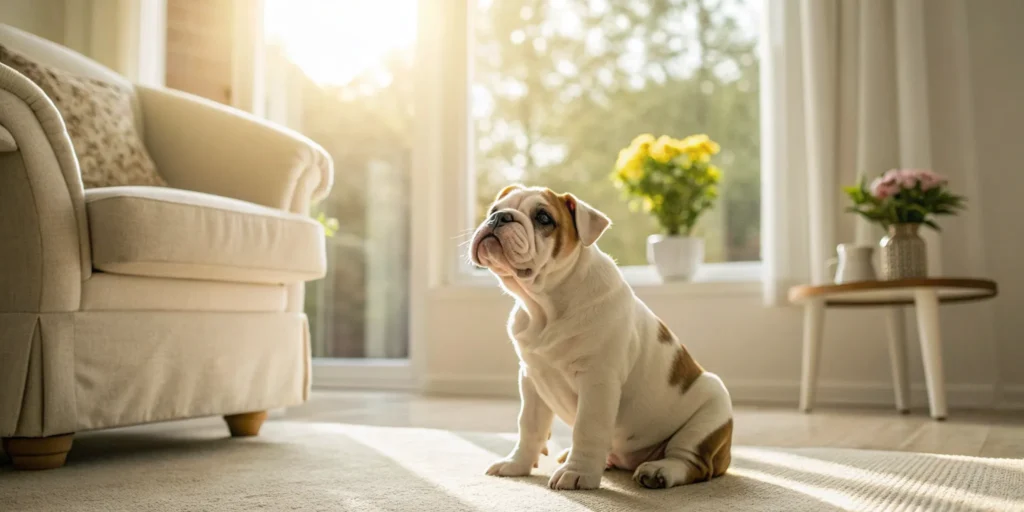
It’s no surprise that French Bulldogs are one of the most popular small dogs around. With their signature bat-like ears, wrinkly faces, and endlessly amusing personalities, Frenchies are true charmers. They are incredibly affectionate and form strong bonds with their families, thriving on human companionship. Because they don’t require a lot of intense exercise, they adapt beautifully to apartment living. A short daily walk is usually enough to keep them happy and healthy. If you’re looking for a silly, loving, and relatively low-energy companion who will keep you laughing, the French Bulldog is an excellent choice.
2. Cavalier King Charles Spaniel
The Cavalier King Charles Spaniel is the definition of a devoted companion. These dogs are known for their sweet, gentle, and affectionate nature, making them fantastic family pets. They get along wonderfully with children and other animals, greeting everyone with a wagging tail. Cavaliers are true lap dogs that want nothing more than to be close to their people. They are eager to please and relatively easy to train, responding well to positive reinforcement. Their beautiful, expressive eyes and silky coat make them irresistible, and their loving temperament ensures they fit seamlessly into almost any home looking for a four-legged friend.
3. Yorkshire Terrier
Don’t let their small size fool you—Yorkshire Terriers have big personalities packed into a tiny frame. Yorkies are spunky, confident, and incredibly intelligent, which makes them quick learners. They are fiercely loyal to their families and make surprisingly alert watchdogs. Despite their bold nature, they are also loving companions who enjoy a good cuddle session on the couch. Their beautiful, long, silky coat is another one of their defining features. A Yorkie is a great match for someone who wants a spirited and devoted dog that brings a lot of character and love into the home.
4. Pug
With their wrinkled brows, expressive eyes, and comical personalities, Pugs are hard not to love. These dogs are charming, playful, and incredibly affectionate, thriving on being the center of attention. Pugs were bred to be companion dogs, and they take their job very seriously, following their owners from room to room. They have a mischievous streak and a great sense of humor, ensuring there’s never a dull moment. Their exercise needs are minimal, making them well-suited for apartment life. If you’re looking for a dog with a huge heart and an even bigger personality, a Pug might be your perfect match.
5. Shih Tzu
Originally bred for Chinese royalty, the Shih Tzu is a true lap dog that loves to be pampered and adored. They are known for their affectionate, outgoing, and playful personalities. A Shih Tzu’s main goal in life is to love and be loved, and they are happiest when they are with their family. They have a gentle temperament that makes them wonderful companions for children and other pets. While they enjoy a daily walk, they are just as content to play indoors or snuggle up for a nap. Their sweet nature and charming looks make them a beloved choice for families everywhere.
6. Miniature Poodle
Miniature Poodles are much more than just a pretty face. They are one of the most intelligent dog breeds, making them incredibly easy to train and eager to learn new tricks. Their non-shedding, hypoallergenic coat is a huge plus for people with allergies. Miniature Poodles are proud, graceful, and playful dogs that form deep bonds with their families. They are active and enjoy activities like fetch and long walks, but they are also happy to relax at home. You can find more breed information on our site to see if this clever and elegant dog is the right fit for you.
7. Boston Terrier
Known as the “American Gentleman” for their tuxedo-like markings and polite demeanor, Boston Terriers are lively and affectionate companions. They are highly intelligent and respond well to training, especially when it involves positive reinforcement. Bostons are friendly and adaptable, getting along well with people of all ages, including children, as well as other pets. They have a playful and energetic side but don’t require extensive exercise, making them a great fit for both city apartments and suburban homes. Their expressive faces and charming personalities make them a wonderful addition to any family.
8. Chihuahua
Chihuahuas are tiny dogs with huge personalities. They are known for being fiercely loyal and forming incredibly strong bonds with their favorite person. While they can be sassy and confident, they are also deeply affectionate and love to be pampered. Their small size makes them perfect for apartment living, and they are easy to travel with. Chihuahuas are intelligent and can be quick to learn, though their independent streak sometimes shines through. If you’re looking for a devoted companion to join you on all your adventures, check out our New York puppies to find your tiny new friend.
9. Dachshund
Affectionately known as the “wiener dog,” the Dachshund is a brave, bold, and playful breed. Their unique long body and short legs give them a distinctive look that’s impossible to ignore. Dachshunds are incredibly loyal to their families and can be quite cuddly, despite their independent and sometimes stubborn nature. They are intelligent dogs with a curious spirit, which means they enjoy games and activities that challenge their minds. They make excellent watchdogs and will always let you know when someone is at the door. A Dachshund is a great choice for someone who appreciates a clever and courageous companion.
10. Maltese
With their stunning, floor-length white coats and sweet, gentle personalities, Maltese dogs are the picture of elegance. Often described as looking like little cotton balls, they are playful, affectionate, and thrive on human companionship. Maltese are born entertainers who love to be the center of attention, and they remain puppy-like well into their senior years. They are great for apartment living and are known for being gentle with children and other pets. If you’re looking for a loving, charming, and utterly adorable lap dog, the Maltese is a perfect choice for your family.
Find the Right Small Dog for Your Home
Choosing the right small dog is about more than just falling in love with a cute face—it’s about finding a personality and energy level that fits your life. The term “small dog” covers a wide range of temperaments, from quiet lap dogs to energetic adventurers. The perfect match depends entirely on your living situation and daily routine. Are you in a city apartment or a house with a sprawling backyard? Are your weekends spent relaxing on the couch or hiking on a new trail?
Thinking honestly about your lifestyle is the most important step you can take. A dog that thrives in a bustling apartment might feel overwhelmed in a big, open space, while a high-energy pup might get restless without a yard to play in. It’s all about compatibility. By considering your home environment first, you can narrow down the options and find a companion who will be happy, healthy, and a true member of your family. Let’s explore which small breeds might be the perfect fit for your home.
The Best Small Dogs for Apartments
Living in an apartment doesn’t mean you can’t have a dog. In fact, many small breeds are perfectly suited for city life. Their compact size makes them ideal for smaller spaces, and they’re often content with indoor play and daily walks around the block. Of course, every dog needs fresh air and exercise, but apartment-friendly breeds don’t require a huge yard to be happy. Breeds like the Yorkshire Terrier, for example, can be sensitive to the cold, making them excellent indoor companions who love to stay cozy inside with you. When you’re ready to find your perfect city sidekick, you can browse all the puppies for sale to see who catches your eye.
The Best Small Dogs for Homes with Yards
If you have a home with a fenced-in yard, you can open your doors to some of the more spirited small breeds. A secure outdoor space is the perfect playground for a pup with a little extra energy to burn. Breeds like the Papillon and Miniature Schnauzer are lively, intelligent, and love a good game of fetch. Having a yard gives them the freedom to run, play, and explore in a safe environment. While a yard is a fantastic bonus, it’s not a substitute for daily walks and one-on-one time, which are essential for bonding and mental stimulation. You can learn more about the energy levels of different pups on our breed information page.
The Best Small Dogs for Active People
Don’t let their small size fool you—many of these dogs have huge personalities and the stamina to match. If you lead an active lifestyle, you need a four-legged friend who can keep up. Energetic breeds like the Miniature Poodle and the tenacious Dachshund make wonderful partners for everything from long walks to weekend adventures. They are known for their playful and curious natures, always ready for the next activity. Finding a dog whose energy matches your own is the key to a happy and fulfilling companionship for you both. For those living a fast-paced life, our selection of New York puppies often includes breeds perfect for an on-the-go owner.
What Does Their Daily Care Look Like?
Bringing a small dog into your life is an exciting step, and understanding their daily needs is key to a happy life together. While their size might suggest they’re low-maintenance, these little companions have specific requirements for exercise, coat care, and nutrition. Don’t let their tiny frames fool you; they have big personalities and needs to match! Setting up a consistent routine from day one helps your new puppy feel secure and builds a strong bond between you. It’s all about finding a rhythm that works for both of you. From daily walks to brushing sessions and mealtimes, these moments become cherished parts of your day. Thinking about these daily tasks ahead of time ensures you’re fully prepared to give your new friend the best possible care.
How Much Exercise Do They Need?
Don’t let their little legs fool you—many small dogs are bundles of energy! Just like their larger counterparts, they need daily exercise to stay physically healthy and mentally sharp. A brisk walk or two each day is a great starting point for most small breeds. This not only helps them burn off energy but also provides important mental stimulation as they sniff and explore the world. For more energetic pups, a game of fetch in a secure area or some fun with interactive toys can be a perfect outlet. Even lower-energy breeds benefit from daily activity to keep their minds engaged and their bodies in good shape.
A Guide to Grooming and Coat Care
Keeping your small dog’s coat healthy and beautiful is an important part of their care routine. The needs can vary quite a bit depending on the specific breed. Pups with long, flowing hair, like a Maltese or Shih Tzu, often require daily brushing to prevent tangles and mats. Other breeds with shorter coats might only need a quick brush once a week. For many light-colored dogs, you may also notice tear stains around their eyes. Gently cleaning this area regularly with a soft, damp cloth can help keep their sweet faces looking fresh and clean. Establishing a regular routine for coat care will keep your puppy comfortable and looking their best.
What to Feed Your Small Dog
Small dogs have fast metabolisms and unique nutritional needs, so choosing the right food is essential. Look for a high-quality diet specifically formulated for small breeds to ensure they get the proper balance of nutrients for their energy levels and tiny bodies. Because they have a harder time regulating their body temperature, a consistent, nutrient-dense diet is crucial. It’s also important to practice portion control, as even a little extra weight can put a strain on their small joints. You can find a wonderful selection of food, bowls, and other premium pet merchandise to get your puppy started on the right paw.
What Health Issues Should You Know About?
Bringing a new puppy home is one of life’s great joys, and part of being a responsible pet parent is understanding how to keep them happy and healthy for years to come. While small dogs are generally sturdy, their compact size can make them prone to certain health conditions. Knowing what to look for isn’t about worrying; it’s about being prepared to give your tiny companion the best possible care.
Every dog is an individual, but genetics and size do play a role in their overall health. Starting with a healthy, well-cared-for puppy from a reputable source is the most important first step. From there, a little knowledge goes a long way in preventing and managing potential issues. Let’s walk through some of the common health topics for small breeds so you can feel confident and prepared.
Common Health Concerns in Small Breeds
Because of their tiny frames, small dogs can face a few specific health issues. One of the most common is dental disease. Their small mouths can lead to overcrowded teeth, making regular cleanings essential. You might also hear about patellar luxation, which is essentially a kneecap that can slip out of place—it sounds scarier than it often is and can be managed with your vet’s guidance.
Other conditions like tracheal collapse, which can cause a “honking” cough, and hypoglycemia (low blood sugar) are also more prevalent in smaller breeds. While this list might seem long, remember that many of these conditions are manageable, especially when caught early. Regular vet check-ups are your best friend for staying on top of your pup’s health.
Health Considerations for Specific Breeds
Just as every small breed has a unique personality, they can also have unique health considerations. For example, certain toy breeds and terriers can be susceptible to Legg-Calve-Perthes disease, a hip joint condition. It’s one of the reasons why responsible sources for puppies are so important, as they are mindful of these genetic predispositions.
Getting to know your favorite breeds means learning about their history, temperament, and potential health quirks. When you’re exploring different types of puppies, it’s helpful to look up detailed breed information to understand what makes each one special. This knowledge helps you choose a dog that fits your lifestyle and prepares you to meet their specific needs from day one.
How to Keep Them Healthy with Preventive Care
The best way to handle health issues is to prevent them from happening in the first place. Proactive, preventive care is key to a long and happy life for your small dog. It all starts with finding a veterinarian you trust and scheduling regular wellness exams. These visits allow your vet to spot any potential problems before they become serious.
At home, you have a huge role to play. Maintaining a healthy weight is crucial, as extra pounds put a strain on a small dog’s delicate joints. Feeding them a high-quality diet and establishing a good dental care routine will also help sidestep common problems. Answering your questions is a big part of what we do, and you can find more information on our FAQs page.
Are They Good with Kids and Other Pets?
One of the biggest questions on your mind is probably how a new puppy will fit in with your family, especially if you have children or other pets at home. It’s a valid concern! The great news is that many small dogs are fantastic companions for households of all shapes and sizes. While certain breeds have a reputation for being more family-oriented, the secret to a harmonious home life really comes down to a combination of the puppy’s inherent temperament and, most importantly, your guidance through socialization and training. A well-adjusted puppy can learn to be a gentle playmate for kids and a respectful friend to other furry family members. It all starts with choosing the right puppy and setting them up for success from day one.
The Most Family-Friendly Breeds
If you’re looking for a puppy that’s practically born to be a family companion, some breeds are standouts. The Cavalier King Charles Spaniel, for example, is famous for its gentle, patient nature, making it a wonderful and trustworthy friend for children. Havanese dogs are another fantastic choice; their playful and outgoing personalities mean they’re always up for a game in the backyard. Other popular family-friendly puppies like Yorkshire Terriers, Miniature Poodles, and Shih Tzus are also known for their affectionate and sociable dispositions. These breeds tend to adapt well to the energy of a busy home and form strong, loving bonds with every member of the family.
Why Socialization and Training Matter
A puppy’s breed gives you a glimpse into their potential personality, but it’s early socialization and consistent training that truly shape them into a well-behaved family member. Most small dogs are incredibly social and thrive on positive interaction. Introducing your puppy to different people, sights, and sounds in a controlled and happy way builds their confidence. Paired with positive reinforcement training, this helps them learn how to interact politely with children and other pets. Without this early guidance, some small dogs can develop possessive or nippy habits, so establishing clear boundaries from the start is key to a peaceful home.
How to Avoid “Small Dog Syndrome”
You may have heard the term “Small Dog Syndrome,” which describes the bossy or aggressive behaviors some little dogs develop. This isn’t a true syndrome but rather the result of owners not holding their small pups to the same standards as larger dogs. It’s easy to let tiny, cute puppies get away with things like jumping or barking, but this can lead to problems down the road. The best way to prevent this is to treat your small dog like a dog. Provide structure, set clear rules, and engage in consistent training, just as you would with a German Shepherd. This approach ensures your little companion grows into a confident, respectful, and well-mannered member of the family.
What Should You Expect When You Bring One Home?
Bringing a new puppy into your life is an incredibly exciting time. As you prepare your home and your heart, it’s also smart to prepare for the realities of life with a tiny companion. From training to understanding their unique quirks, here’s what you can expect as you start your new chapter together.
Tips for Training Your Small Dog
Don’t let their size fool you—small dogs are incredibly smart and eager to learn. The key to success is consistency and positive reinforcement. Start training from day one by establishing a clear routine for potty breaks, meals, and playtime. When your puppy gets something right, reward them with praise, a favorite toy, or a small treat. Keeping training sessions short, around 5 to 10 minutes, will hold their attention and make learning fun. Focusing on a specific breed’s temperament can also give you insights into the best way to teach them. Remember, patience and positivity are your best tools for helping your new friend become a well-behaved member of the family.
Understanding Their Personalities
Small dog breeds are incredibly diverse, each with a distinct personality. While some are content to be professional lap-warmers, others have the spunky, adventurous spirit of a dog ten times their size. You’ll find that many are charming, playful, and deeply loving companions who form strong bonds with their people. The best way to prepare is to learn more about each breed to find a match for your lifestyle. Whether you’re looking for a quiet cuddle bug or an energetic playmate, there’s a small dog with the perfect personality waiting to meet you. Getting to know their individual character is one of the most rewarding parts of being a pet parent.
A Realistic Look at Life with a Small Dog
Even the smallest dogs often have the biggest personalities. While they don’t need a huge yard to run in, they do require daily exercise and mental stimulation to stay happy and healthy. This means daily walks, engaging playtime, and plenty of fun activities to keep their minds sharp. You’ll also need to consider their physical needs. Many small breeds, like Yorkshire Terriers or Chihuahuas, get cold easily and will need a cozy sweater or coat for chilly weather. Life with a small dog is full of joy and affection, and meeting their needs is just another way to show them how much you care.
How Much Does a Small Dog Cost?
Bringing a new puppy into your life is an incredibly exciting decision, and it’s also a significant financial commitment. Thinking through the costs ahead of time is one of the most responsible things you can do as a future pet parent. It helps ensure you’re fully prepared to give your new best friend a happy, healthy, and secure life. The total cost goes beyond the initial price of your puppy; it includes everything from their first vet visit and cozy bed to their food, toys, and ongoing healthcare for years to come. Let’s break down what you can expect so you can plan accordingly and focus on the fun part: welcoming your new family member home.
The Initial Cost of Your Puppy
The first investment you’ll make is for the puppy itself. The price for a small breed puppy from a reputable source typically starts at $3,000 and can vary depending on the breed’s popularity, lineage, and unique characteristics. This initial cost reflects the high standards of care the puppy has received from day one. Beyond that, you’ll want to budget for first-year expenses, which include a series of vaccinations, a spay or neuter procedure, and all the essential supplies. You’ll need to stock up on high-quality food, a comfortable bed, a crate, toys, and other fun items from a quality pet boutique. To make this initial investment more manageable, many families explore helpful financing options that allow them to bring their perfect puppy home without delay.
Budgeting for Ongoing Care
Once your puppy is settled in, you’ll have recurring monthly and annual costs to keep them thriving. A good estimate for yearly expenses is between $600 and $1,100, though this can change based on your dog’s specific needs. This budget covers essentials like premium dog food, routine veterinary check-ups, and preventative medications for fleas, ticks, and heartworm. You’ll also want to factor in professional services to maintain their coat and skin health, especially for breeds with more demanding coats. Learning about specific breed information can give you a clearer picture of what to expect for the dog you have in mind, as some may require more specialized care than others.
Planning for Long-Term Expenses
Thinking about the long-term picture is key to responsible pet ownership. Over a small dog’s lifetime, the total cost can range from about $16,000 to over $50,000. This wide range accounts for everything from food and wellness visits to unexpected health issues that may arise as your dog gets older. While it’s impossible to predict the future, setting aside an emergency fund or investing in a good pet insurance plan can provide peace of mind. Being financially prepared means you can handle any surprises without stress, ensuring your companion receives the best care throughout their entire life. If you have more questions, our team is always here to help you understand the lifetime commitment.
Find Your Perfect Puppy at Furrylicious
Finding the right puppy is a huge decision, and we’re here to make the experience as joyful as the years of companionship that follow. At Furrylicious, we take a personalized approach to matching our puppies with their forever families. We believe the journey to finding your new best friend should be special, supportive, and all about connection.
How We Select Our Small Breed Puppies
Small dog breeds are incredibly diverse, and we celebrate that by offering a wide selection of puppies, each with a unique look and personality. We look for those charming, spunky, and loving companions that will bring so much joy to your home. Our team carefully selects every puppy, focusing on happy, healthy, and well-socialized little ones. Whether you’re looking for a playful friend or a low-shedding breed that’s easier on allergies, you can browse our available puppies to see who might be waiting for you. We believe in finding the perfect fit, and that starts with having wonderful puppies to choose from.
Let Our Puppy Concierge Find Your Dream Dog
Have your heart set on a specific breed? If you don’t see your dream dog among our current puppies, don’t worry. Our Puppy Concierge Service is designed to find the exact puppy you’re looking for. We understand that every family’s needs are different. You might be looking for a companion perfectly suited for apartment living or an energetic partner for your active lifestyle. Just let us know what you’re searching for, and our dedicated team will get to work. We handle all the details to bring your ideal puppy to you at the perfect time, making the process seamless and stress-free.
What to Expect When You Visit Us
We invite you to come and experience the Furrylicious difference. Our boutique is a relaxed, clean, and unhurried space where you can spend quality time getting to know our puppies. Small dogs are very social and thrive on attention, so we encourage you to interact with them and see whose personality clicks with yours. Our knowledgeable staff is always here to answer your questions and help you find a breed that matches your lifestyle, whether you’re a first-time owner or a seasoned dog lover. It’s all about making a connection. You can even take a peek inside our boutique online to see what our welcoming environment is all about.
Related Articles
- The Top 10 Small Dog Breeds for Family Life
- Top 10 Small Dog Breeds: Which is Right for You?
- The Top 8 Small Toy Dog Breeds: A Guide
- Small Dogs Can Be Kid-Friendly Too, List of Top Puppy Breeds
Frequently Asked Questions
How do I choose the right small dog when they’re all so adorable? It’s so easy to fall for a cute face, but the best match comes from looking at personality and lifestyle. Think about your daily routine. Are you looking for a calm companion to relax with on the couch, or an energetic buddy for your weekend adventures? Being honest about your own energy level and home environment is the surest way to find a dog who will be a happy and fitting member of your family.
Are small dogs really more difficult to house-train? It’s not that they’re harder to train, but their tiny bladders do mean they need more frequent potty breaks, especially when they’re puppies. The secret to success is simply consistency. Sticking to a regular schedule and offering plenty of praise for successful trips outside will get you there. It just requires a bit more vigilance in the beginning than you might need with a larger breed.
Should I be worried about the health problems you mentioned? Think of it as being informed, not worried. Every type of dog has potential health predispositions, and knowing what to look for helps you be a proactive and prepared pet parent. The most important step you can take is starting with a healthy, well-cared-for puppy from a reputable source. From there, regular vet check-ups and a healthy lifestyle will give your companion the best foundation for a long, happy life.
What’s the biggest mistake new small dog owners make? It’s tempting to let a tiny puppy get away with behaviors you’d never tolerate from a large dog, like jumping on people or barking constantly. The biggest mistake is not providing the same structure and rules you would for any other dog. Consistent training and clear boundaries help your little one grow into a confident, well-mannered companion, not a tiny tyrant.
What if I have a specific breed in mind but don’t see it available? That’s exactly why our Puppy Concierge service exists. If you have your heart set on a particular breed that isn’t currently in our boutique, just let us know. Our team will do the work to find the perfect, healthy puppy that matches exactly what you’re looking for. We handle all the details to bring your ideal friend to you, making the whole process simple and personalized.