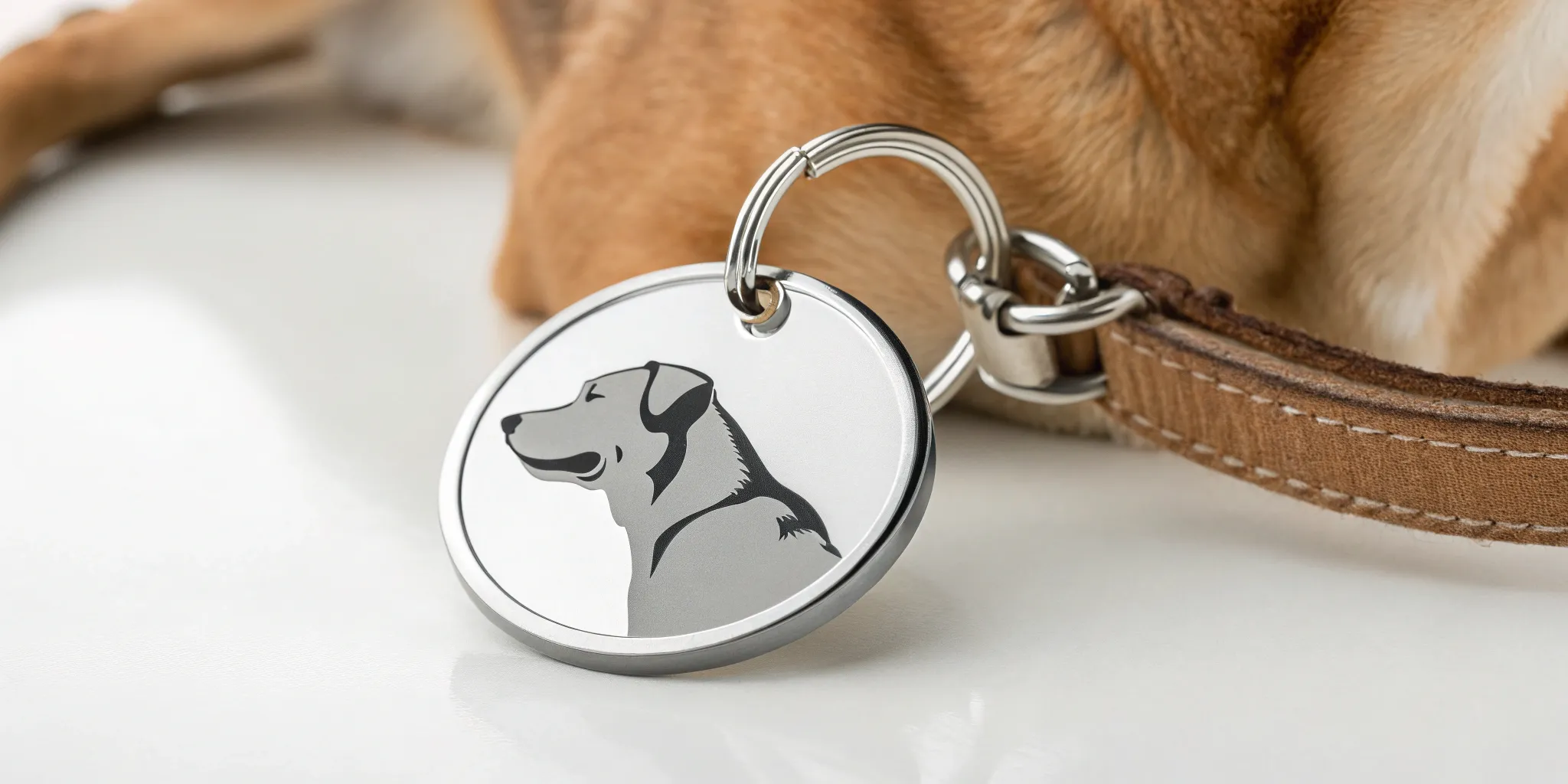
When you bring your new puppy home from our New Jersey boutique, they come with a microchip, which is a fantastic permanent identifier. However, it’s a common mistake to think a microchip is all your dog needs for safety. Think of an ID tag as your dog’s first and most immediate line of defense. It allows anyone, anywhere, to contact you directly without needing a trip to a vet or shelter for a scan. The two work together to create a complete safety net. This guide will explain why engraved dog id tags are absolutely essential and how to create one that provides the best possible protection for your new family member.
Key Takeaways
- Prioritize essential contact information: Keep the tag clear and effective by engraving your name and two phone numbers. Add a helpful note like “Needs Meds” or “I’m Microchipped,” but leave off your dog’s name and home address for their safety.
- Invest in a tag that lasts: Choose a material that suits your dog’s size and energy, like durable stainless steel or lightweight aluminum. For maximum longevity, select deep engraving over surface etching, which can fade over time.
- Double-check details and inspect regularly: Avoid simple mistakes by proofreading your phone number for typos before ordering. Once the tag is in use, check it monthly for any wear and tear to ensure it remains easy to read.
Why Your Dog Needs an Engraved ID Tag
Bringing a new puppy home is one of life’s greatest joys. As you stock up on toys and treats, one of the most important items you’ll buy is a simple, engraved ID tag. It’s your dog’s first line of defense if they ever get lost, offering a direct and immediate way for someone to bring them back to you. While technology like microchips is fantastic, a physical tag is a timeless safety tool that provides instant information and peace of mind. It’s a small investment that can make all the difference in a scary situation.
More Than Just a Microchip
Many new puppy parents assume a microchip is all their dog needs, but it’s only half of the safety equation. A microchip is a permanent identifier, which is great, but it requires a special scanner at a vet’s office or shelter to be read. An engraved ID tag, however, is the fastest way for a kind stranger to contact you directly. They don’t need any special equipment, just a phone. Think of it as your dog’s business card. It gives anyone who finds your lost pup the immediate ability to call you and reunite you with your best friend, often within minutes.
A Simple Way to Deter Theft
An ID tag can also serve as a powerful deterrent against theft. A dog with a visible tag is less likely to be mistaken for a stray and is a less appealing target for someone with bad intentions. You can make the tag even more effective by adding a few key details. Including phrases like “I’m Microchipped” or “Needs Meds” signals that the dog is well-cared for, easily traceable, and requires special attention. This can encourage a finder to act quickly and responsibly, and it might make a potential thief think twice before taking a dog that comes with complications.
Staying Compliant in New Jersey and New York
Beyond being a smart safety measure, having a proper ID tag is often required by law. In New Jersey, for example, dogs of licensing age must have a registration tag. State and local guidelines often specify what information needs to be on the tag, which usually includes the owner’s name, address, and telephone number. Following these rules not only helps you stay compliant but also significantly increases the chances of a safe return if your dog wanders off. It’s a simple step that shows you’re a responsible pet owner.
What to Engrave on Your Dog’s ID Tag
Once you’ve picked out the perfect tag from our pet boutique, the next big question is what to put on it. It might seem simple, but the information you choose to engrave can make all the difference in a stressful situation. Think of it as your dog’s ticket home. The key is to be clear, concise, and strategic. Let’s walk through exactly what to include, what to add for extra safety, and what you should definitely leave off to keep your new companion safe.
Your Must-Have Contact Info
The main purpose of an ID tag is to connect a lost dog with their owner as quickly as possible. To do that, you need to provide clear, direct contact information. At a minimum, the tag should include your first name and your primary cell phone number. It’s a great idea to add a second phone number, perhaps for your partner or a trusted family member, as a backup. While some people include an address, your phone number is the fastest way for someone to reach you. Local New Jersey authorities agree that having legible contact information is one of the most important steps you can take to protect your pet.
Adding Medical and Microchip Notes
Your dog’s tag can do more than just provide your contact details; it can also share vital health information. If your puppy has a medical condition that requires daily medication or has severe allergies, engraving a short note like “Needs Meds” or “Diabetic” is crucial. This alerts the finder that your dog needs special care right away. Another smart addition is the phrase “I’m Microchipped.” All of our puppies come microchipped, a detail we cover in our FAQs, and this note encourages anyone who finds your dog to take them to a vet for a quick scan. It’s a simple way to add another layer of security and peace of mind.
Information to Leave Off for Safety
What you don’t put on the tag is just as important as what you do. For your dog’s safety, it’s best to leave their name off the tag. A stranger who knows your dog’s name may seem friendly, making it easier to lure them away. It’s also wise to skip your full home address. This protects your privacy and prevents someone with bad intentions from knowing where you live. A phone number is a much safer and more direct way for a Good Samaritan to contact you. Leaving off this extra information also frees up valuable space on the tag for a second phone number or important medical notes.
Choosing the Best Material for Your Dog’s Tag
Once you know what information to include, it’s time to pick the tag itself. The material you choose is more than just a style decision; it directly impacts the tag’s durability, weight, and even how it sounds. A tiny puppy from our New Jersey boutique will have different needs than a larger, more active dog. Thinking about your dog’s size, activity level, and your own personal style will help you find the perfect match. From classic metals to colorful plastics, there’s a material that fits every pup’s personality and every owner’s needs.
Stainless Steel: The Durable Choice
Think of stainless steel as the powerhouse of dog tags. It’s incredibly strong, resisting rust, tarnish, and scratches better than almost any other material. If you have an active dog who loves to run and play, a stainless steel tag is a fantastic investment. The engraving on these tags stays crisp and readable for decades, ensuring your contact information is always clear if your pet ever wanders off. It’s a premium choice that offers true peace of mind and is built to last a lifetime, making it one of the most reliable pet accessories you can buy.
Aluminum: Lightweight and Comfortable
Aluminum is another popular choice, offering a great balance of durability and comfort. It’s much lighter than stainless steel, which makes it an ideal option for small or toy puppies who might be bothered by a heavier tag. Despite its light weight, aluminum is surprisingly sturdy and holds up well to daily wear. It also comes in a variety of fun colors and shapes, giving you more ways to show off your dog’s unique style. For many pet owners in New Jersey and New York, aluminum provides the perfect combination of function and flair.
Plastic and Silicone: Colorful and Quiet Options
If you’re looking for a tag with personality or prefer a quieter alternative to metal, plastic and silicone are excellent options. Plastic tags are available in a huge range of colors and creative designs, making them a fun way to accessorize. Silicone tags are soft, flexible, and completely silent, which is a major benefit if the constant jingle of metal tags isn’t for you. While not as long-lasting as steel, these materials are affordable and easy to replace, allowing you to update your pup’s look whenever you like. They are a great way to add a pop of color to your new puppy’s collar.
Finding the Perfect Size and Style
Once you know what information to include, it’s time for the fun part: choosing a tag that fits your dog’s size and personality. The right ID tag is a perfect blend of safety and style. It should be comfortable for your dog to wear every day, easy for a helpful stranger to read, and a reflection of the special bond you share. Think about your dog’s breed, energy level, and unique quirks. These details will help you pick a tag that’s not just a piece of metal, but a true accessory.
Matching the Tag Size to Your Dog
Just like collars, dog ID tags aren’t one-size-fits-all. Most tags come in small, medium, and large sizes to suit every kind of pup, from a tiny Yorkie to a larger Goldendoodle. The goal is to find a tag that’s proportional to your dog. A large, heavy tag can be uncomfortable for a small dog, while a tiny tag might get lost in the fur of a bigger one. A good rule of thumb is to choose a tag that won’t dangle in their water bowl or get in the way when they’re playing, but is still large enough for the engraving to be clearly legible.
Picking a Shape for Readability
While a unique shape like a heart or star is cute, the most important factor is readability. Classic shapes like circles and bones often provide the clearest, most spacious canvas for your contact information. This ensures that if your dog ever gets lost, anyone who finds them can quickly and easily read the tag to get them home safely. You can find tags in many materials, including durable stainless steel and lightweight brass. When you browse our selection of premium pet merchandise, consider how the shape will frame your dog’s essential details.
Customizing with Fonts and Designs
This is where you can let your dog’s personality shine. Customization turns a simple ID tag into a special accessory. You can choose from a variety of fonts, from clean and modern to playful and classic. Many tags also offer space for small designs or symbols, like a paw print or a heart, to add a personal touch. Engraving your dog’s name on the front with your contact information on the back is a popular and practical choice. This makes the tag uniquely theirs while keeping the most critical information organized and easy to find.
Deciding on the Right Engraving Style
Once you’ve picked the perfect material and shape for your dog’s tag, it’s time to think about the engraving. This choice affects not just the tag’s appearance but also its readability and durability. A tag that’s hard to read or fades quickly won’t do much good in an emergency. From deciding whether to use one side or two, to selecting a method that will withstand your puppy’s playful antics, the right engraving makes all the difference. Let’s look at the key factors to create a tag that is both stylish and built to last.
One Side or Two? Maximizing Your Space
Using both sides of an ID tag is a smart way to keep information organized and easy to read. The front can feature your dog’s name, while the back holds your essential contact details. Local resources in New Jersey recommend a tag have the owner’s name, address, and telephone number clearly engraved so it’s easily accessible. Spreading this information across two sides prevents the tag from looking cluttered and ensures first responders can find critical info at a glance. This also gives you room for secondary details, like a microchip number, without sacrificing font size.
Deep Engraving vs. Etching for Longevity
The method used to put information on the tag is crucial for its lifespan. Many tags are laser-etched, which only marks the surface and can wear away from rubbing against collars. For a tag that truly lasts, look for deep engraving. This process carves the characters directly into the metal, making them far more resistant to fading. Traditional stamping methods are designed to hold up for years, ensuring your contact information remains legible no matter what adventures your dog gets into. It’s a small detail that makes a big difference in durability.
Adding a Pop of Color and Finish
An ID tag can be a fun accessory that shows off your puppy’s personality. If you want to add some flair, materials like aluminum and plastic are excellent choices. Anodized aluminum tags are lightweight yet sturdy and come in a rainbow of vibrant colors. Plastic and silicone tags offer even more variety in colors and designs, from bright neons to playful patterns. These materials are also quiet, so you won’t hear the constant jingle of metal. A brightly colored tag can also be easier to spot if it ever falls off in the yard.
Where to Find the Best Engraved Dog Tags
Once you know what information to include, the next step is finding the perfect tag. You have plenty of great options, from your favorite local pet boutique to specialized online retailers. The right choice often comes down to whether you prefer a hands-on shopping experience or the endless variety of the internet. For many new puppy parents in New Jersey and New York, starting at a trusted local shop provides peace of mind and expert guidance. You can see the quality firsthand and find a style that perfectly matches your new friend’s collar and personality.
No matter where you shop, focus on finding a tag that is durable, clearly legible, and securely attaches to your dog’s collar. This small accessory is one of the most important purchases you’ll make, so it’s worth taking the time to find one you love.
Explore the Collection at Furrylicious
Your first and best stop should be our pet boutique right here in Whitehouse Station, New Jersey. We carry a curated selection of pet ID tags that are both safe and stylish. You can feel the quality of the materials and see the different sizes and shapes in person to find the perfect fit for your puppy. Our knowledgeable team is always here to help you choose a tag and decide on the most effective information to engrave. We believe in offering accessories that are as high-quality as our puppies, ensuring your new companion is safe, secure, and looking their best from day one.
Shopping for Tags Online
If you enjoy browsing a vast selection, online stores can be a great resource. Websites like GoTags sell a wide variety of personalized items for pets, from classic metal tags to embroidered collars. The main advantage of shopping online is the sheer volume of options. You can find tags in nearly any shape, color, or material imaginable and customize them with different fonts and graphics. Just be sure to read reviews and check the seller’s return policy before you buy. Double-check your engraving details for typos, as what you type is exactly what you’ll get.
Local Shops vs. Specialty Makers
When deciding where to buy, consider the difference between a local shop and a specialty maker. Local boutiques like Furrylicious offer a curated, high-quality selection and personalized service. On the other hand, online specialty makers often focus on specific materials or engraving techniques. For example, some specialize in deep-engraved stainless steel, which is incredibly durable and resists rust and tarnishing. While these specialists provide excellent products, you miss out on the in-person experience of matching the tag to your puppy’s collar and getting immediate advice from a trusted expert.
What’s the Cost of a Quality Dog ID Tag?
Investing in a quality ID tag is one of the most affordable and important things you can do for your new puppy. Think of it as a tiny piece of insurance that offers huge peace of mind. While prices vary depending on what you’re looking for, you’ll find that even the best tags are budget-friendly. The cost is a small price to pay for the security of knowing your furry friend has a clear and reliable way to be identified if they ever wander off.
When you bring home a new puppy, you’re already thinking about all the essentials: a comfy bed, fun toys, and the right food. An engraved ID tag should be at the very top of that list. At our pet boutique, we can help you find the perfect tag to match your puppy’s new collar and leash, ensuring they are safe and stylish from day one. Let’s break down what you can expect to spend and what factors into the final price.
Typical Price Ranges to Expect
You don’t need to spend a lot to get a great dog ID tag. Most custom-engraved tags fall somewhere between $12 and $20. On the lower end of that range, you’ll find simple, colorful aluminum tags that are lightweight and get the job done perfectly. If you want something a bit more decorative or made from a more premium material, you might spend closer to $20 or slightly more. It really comes down to your personal style and preferences. The most important thing is that the tag is durable and the engraving is easy to read, and you can easily find excellent options within this price range.
What Influences the Final Price?
Several factors can affect the cost of an ID tag. The material is a big one; for example, stainless steel is often considered the gold standard for its durability and resistance to rust, which can make it a bit more expensive than aluminum. Customization also plays a role. The ability to personalize your tag with different fonts, add designs, or engrave information on both sides might add a few dollars to the total. Ultimately, you’re paying for a combination of material quality and the level of detail you want, but even the most customized tags remain an affordable and essential accessory for your dog.
How to Get the Best Value
Getting the best value is about more than just finding the lowest price; it’s about smart planning. It’s a great idea to have a few extra tags on hand. You could have one for their primary collar, another for a harness, and a spare just in case one gets lost. Buying them together can sometimes save on shipping costs. Another tip is to sign up for newsletters from your favorite pet boutiques. This is an easy way to get notified about special promotions and sales on accessories. When you’re already picking out one of our adorable puppies for sale, it’s the perfect time to stock up on essentials like ID tags.
How Long Will Your Dog’s ID Tag Last?
You’ve picked out the perfect ID tag for your new puppy, but you might be wondering how long it will actually hold up. A high-quality, engraved tag is a small but crucial investment in your dog’s safety. Its lifespan isn’t set in stone; it depends on a few key factors, including the material it’s made from, your dog’s activity level, and even the weather here in New Jersey and New York. A well-chosen tag can last for years, but knowing what to look for and when to get a new one ensures your contact information is always clear and readable if your furry friend ever wanders off.
Lifespan by Tag Material
The material of your dog’s ID tag is the biggest factor in its durability. Stainless steel is the gold standard for a reason. It’s incredibly tough, resisting rust, tarnishing, and corrosion even after countless romps in the rain or snow. A deeply engraved stainless steel tag can easily last for a decade or more while remaining perfectly legible. Aluminum is another great option; it’s lightweight, which is perfect for smaller puppies, and still quite sturdy. Plastic and silicone tags offer fun colors and are quiet, but they generally don’t have the same staying power as their metal counterparts and may need to be replaced more frequently.
How Weather and Wear Take a Toll
Think about everything your dog does in a day. Their tag clinks against their food bowl, gets dragged through bushes, and gets soaked during a swim. This daily wear and tear naturally affects how long a tag lasts. Metal tags are built to handle this roughness, while plastic tags can become brittle or fade with constant exposure to the sun and harsh weather. The engraving method also plays a huge role. Tags with deep, diamond-etched engraving will hold up much better over time than those with shallow, printed-on text that can rub off.
Knowing When It’s Time for a New Tag
Even the most durable tag will eventually show its age. It’s a good idea to check your dog’s tag regularly, maybe once a month, to make sure it’s still in good shape. Look for signs that it’s time for a replacement. Is the text becoming difficult to read? Are there deep scratches obscuring your phone number? Is the tag bent or the hole for the ring wearing thin? If you answer yes to any of these, it’s time to visit a quality pet boutique for a new one. A tag is only effective if someone can easily read it, so replacing a worn-out one is a simple step to keep your dog safe.
Common Mistakes to Avoid When Ordering a Dog Tag
Ordering an engraved ID tag seems simple, but a few common slip-ups can make it less effective. A great tag is your puppy’s first line of defense if they get lost, so getting it right is key. From cramming too much text onto a tiny surface to picking a material that won’t last through your dog’s adventures, these mistakes are easy to make. Let’s walk through the most frequent errors so you can create a tag that’s clear, durable, and keeps your new best friend safe.
Putting Too Much Information on the Tag
It’s tempting to put every detail on your dog’s tag, but less is often more. Overcrowding the tag makes it hard to read in an emergency. For your privacy and to save space, leave your full home address off. Instead, focus on the essentials: your name and two reliable phone numbers. Adding a phrase like “I’m microchipped” or “Needs meds” is also a great idea. This approach keeps the most important information front and center, ensuring anyone who finds your pup can contact you quickly. You can find great examples of effective custom dog ID tags that prioritize clarity.
Choosing the Wrong Size or Material
The tag’s material and size are just as important as the information on it. A tag that’s too large can be cumbersome for a small puppy, while one that’s too small is difficult to spot and read. When it comes to materials, stainless steel is a top choice for durability because it resists rust and wear. Aluminum is another great option, as it’s lightweight and comfortable for your dog to wear daily. Choosing a high-quality material ensures the engraving remains legible through countless adventures, giving you lasting peace of mind.
Simple Errors to Double-Check Before You Buy
Before you click that “order” button, take a minute to proofread everything. A single typo in your phone number can make the tag useless. Double-check every digit and letter for accuracy. It’s also wise to confirm the engraving will be deep enough to withstand daily wear. A lightly etched tag can fade over time, becoming unreadable when you need it most. Taking the time to personalize your pet’s ID tag with clear, correct information is a simple step that makes a huge difference. You can find a beautiful selection of durable tags right here in our pet boutique.
Related Articles
- Custom Leather Dog Collars: A Buyer’s Guide
- High-End Dog Accessories: A Buyer’s Guide
- A Guide to Fancy Dog Collars and Leashes
- The 6 Best High Fashion Dog Collars of 2026
Frequently Asked Questions
My puppy is microchipped. Do I still need an ID tag? Yes, absolutely. Think of a microchip as a permanent, internal identifier and an ID tag as your dog’s immediate business card. While a microchip is fantastic, it requires a special scanner at a vet or shelter to be read. An engraved tag provides your direct contact information to anyone who finds your lost pup, allowing them to call you right away without any extra steps.
What are the absolute must-haves to engrave on the tag? The most critical information is your first name and your primary cell phone number. It’s also a very good idea to add a second phone number as a backup, just in case you can’t be reached. Including a short, important note like “Needs Meds” or “I’m Microchipped” can also be incredibly helpful and adds another layer of safety.
You mentioned not putting my dog’s name on the tag. Why is that? This is a simple safety precaution. A stranger who knows your dog’s name can more easily gain their trust, which could potentially put your dog in a dangerous situation. By leaving their name off the tag, you make it harder for someone with bad intentions to lure your dog away. Your phone number is all a kind person needs to get your best friend back to you safely.
What’s the best type of tag for a very active dog? For a dog that loves to run, swim, and play hard, a stainless steel tag with deep engraving is your best bet. Stainless steel is incredibly durable, resisting rust, scratches, and general wear and tear better than any other material. This ensures the tag and its engraving will remain clear and readable for years, no matter what adventures your dog gets into.
How can I make sure the engraving on the tag lasts a long time? The key to longevity is choosing the right material and engraving style. Opt for a durable metal like stainless steel and look for deep engraving rather than surface-level laser etching. Deep engraving carves the letters into the metal, so they won’t fade or rub off over time. This ensures your contact information stays legible for the life of the tag.