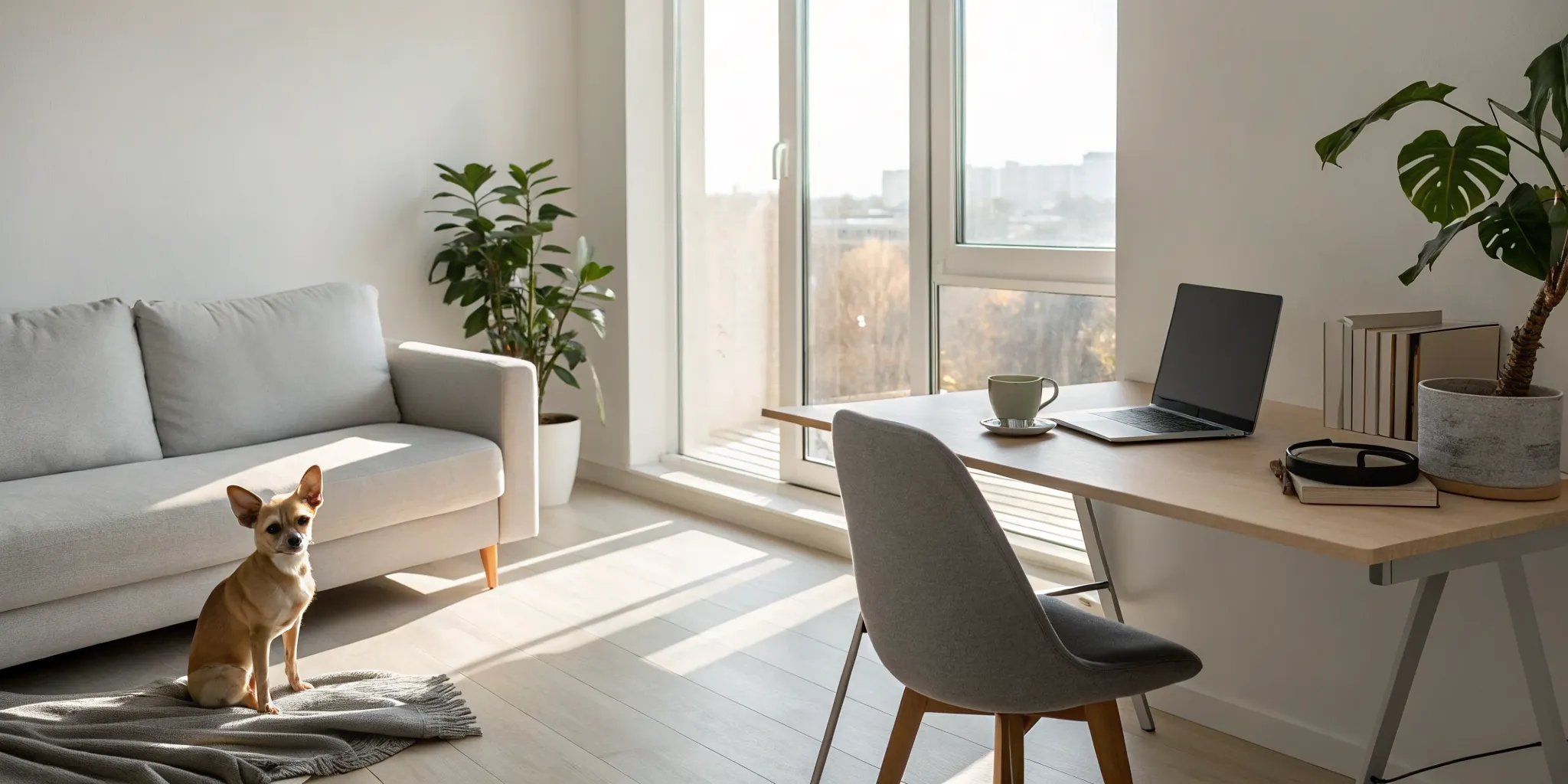
Chihuahuas often bring strong images to mind: the tiny dog peeking out of a handbag or the feisty watchdog with a surprisingly loud bark. While there’s some truth to these clichés, the reality of owning one is far more nuanced and rewarding. They are intelligent, loving, and have a deep capacity for companionship that can enrich your life for many years. To truly understand if one is right for you, you need a balanced perspective. That’s why we’re breaking down the essential chihuahua pros and cons. From their minimal exercise needs to their stubborn streak during training, we’ll give you an honest overview so you can see beyond the stereotypes and decide if you’re ready to welcome this pint-sized personality into your heart and home.
Key Takeaways
- Their Size and Personality Fit Specific Homes: Chihuahuas are perfect for apartment life and owners who prefer a relaxed pace, but their deep devotion means they do best with someone who is frequently home.
- Proactive Health Care is Essential: Be mindful of their delicate build and common health issues like dental problems by providing a safe environment and committing to regular veterinary care.
- Early Training Prevents Common Challenges: Address their stubbornness and barking tendencies from the start with positive training and early socialization to help them grow into confident, well-behaved adults.
The Big Appeal of a Tiny Dog
Chihuahuas pack a massive personality into a tiny frame, and it’s this unique combination that has won them so many fans. If you’re considering adding one of these little dogs to your family, you’re probably drawn to their undeniable charm. They are more than just a cute face; their appeal lies in how seamlessly they can fit into a variety of lifestyles, from busy city apartments in New York to cozy suburban homes in New Jersey. Their small stature comes with a host of practical benefits that make them an excellent choice for many different types of people, whether you’re a single professional or part of a growing family.
Beyond their convenient size, Chihuahuas are known for their deep devotion to their owners. They form incredibly strong bonds and thrive on being part of the family’s daily activities. This loyalty, combined with a surprisingly long lifespan, means you’re not just getting a pet; you’re gaining a companion for many years to come. You can explore more about what makes different dogs unique on our breed information page. In this section, we’ll look at the biggest reasons why a Chihuahua might be the perfect tiny friend you’ve been looking for, from their easy-to-manage exercise needs to their status as the ultimate travel-sized sidekick.
Perfectly Sized for Any Home
One of the most obvious advantages of a Chihuahua is their petite size. Typically weighing no more than six pounds, they are true toy dogs who don’t require a lot of space to be happy. This makes them perfectly suited for apartment or condo living, where a large yard isn’t an option. They can get plenty of activity just playing inside your home. Their small frame also means they are easy to manage, whether you need to carry them up a flight of stairs or simply scoop them up for a cuddle on the couch. Their adaptability to smaller living spaces makes them a popular choice for residents across New Jersey and New York.
A Fiercely Loyal Personality
Don’t let their small size fool you; Chihuahuas have a huge capacity for love and loyalty. They are known for forming incredibly strong, one-on-one bonds with their favorite person. This little dog will quickly become your shadow, happily following you from room to room and insisting on being your personal lap warmer. This deep devotion is one of their most endearing qualities. They want to be involved in everything you do, making them a constant and loving companion. You can see this incredible bond in photos from our alumni puppy gallery, where our pups are right at home with their new families.
A Long Lifespan for Years of Friendship
When you bring a Chihuahua into your life, you’re making a friend for the long haul. These tiny dogs are blessed with one of the longest lifespans in the canine world, typically living between 12 and 16 years. It’s not uncommon for a well-cared-for Chihuahua to live even longer, sometimes reaching up to 20 years of age. This longevity means you can look forward to many years of cuddles, play, and companionship. Choosing a Chihuahua is a significant commitment, but it’s one that rewards you with nearly two decades of unwavering friendship from a pet who will be a part of countless family memories.
Low-Maintenance Exercise Needs
If you’re not an avid hiker or marathon runner, the Chihuahua’s exercise needs will be a perfect match for your lifestyle. Unlike larger, more energetic dogs, they don’t require hours of intense physical activity. A few short walks each day combined with some indoor playtime is usually enough to keep them happy and healthy. A game of fetch down the hallway or some fun with interactive toys can easily satisfy their energy levels. This makes them an excellent option for older individuals, busy professionals, or anyone who prefers a more relaxed pace of life. Their exercise routine is simple and fits easily into almost any daily schedule.
The Ultimate Travel Buddy
For those who love to take their furry friend everywhere, the Chihuahua is an ideal travel companion. Their tiny size makes them incredibly portable. They can easily fit into an airline-approved carrier to join you in the cabin on flights or be tucked into a special bag for a day of running errands around town. They generally adapt well to new environments, as long as their favorite person is by their side. Whether you’re heading out for a weekend trip or just going to a pet-friendly café, your Chihuahua will be more than happy to tag along for the adventure, making every outing a little more special.
Understanding the Challenges of Chihuahua Ownership
Chihuahuas pack a world of personality into a tiny frame, but that big spirit comes with a unique set of needs. Before you bring one of these little dynamos home, it’s important to understand the challenges that can come with them. Being prepared for their quirks is the key to building a happy, healthy relationship. From their delicate build to their surprisingly loud bark, these dogs require a specific kind of owner: one who is patient, attentive, and ready to provide consistent guidance. This isn’t to say they are difficult dogs, but rather that they have distinct characteristics that flourish with the right approach.
Thinking through these potential hurdles isn’t about being discouraged; it’s about being a responsible and loving pet parent. Knowing what to expect helps you create the right environment for your new companion to thrive. Whether it’s their stubborn streak during training or their tendency to get anxious when you leave, every challenge has a solution. By learning about their specific needs from our breed information guides, you can decide if your lifestyle in New Jersey or New York is the right fit for a Chihuahua. This preparation sets both of you up for a lifetime of success and companionship. It’s about matching your home and heart with the right furry friend.
Handle with Care: Their Fragile Build
One of the first things you’ll notice about a Chihuahua is their tiny, delicate frame. This is a huge part of their charm, but it also means they need to be handled with extra care. Their bones are fragile, and an accidental drop or a jump from a high piece of furniture can lead to serious injury. It’s important to create a safe space for them, perhaps with pet stairs to help them get on and off the couch. You’ll also want to teach children and guests how to interact with them gently. This isn’t a dog for roughhousing, but for careful cuddles and supervised play.
They Love to Use Their Voice (A Lot)
Don’t let their size fool you; Chihuahuas have a surprisingly big bark and they aren’t afraid to use it. These little watchdogs are quick to alert you to everything, from the mail carrier to a leaf blowing across the yard. While this can be an endearing part of their protective nature, it can also be a challenge, especially if you live in an apartment or have neighbors close by. Consistent training from a young age can help manage excessive barking, teaching them when it’s okay to be vocal and when it’s time to be quiet. It’s all about channeling their spirited personality in a positive direction.
A Stubborn Streak That Makes Training Tricky
Chihuahuas are incredibly smart, but they also have a famous stubborn streak. This independent mindset can make training, especially housebreaking, a test of your patience. They respond best to positive reinforcement, like treats and praise, rather than harsh methods. Consistency is your best friend. Short, fun training sessions will keep them engaged and willing to learn. While they might take a little longer to master commands than some other breeds, their intelligence means they will get there with a dedicated owner who is willing to stick with it. Your effort will pay off with a well-behaved companion.
They Get Chilly Easily
With their small bodies and often thin coats, Chihuahuas are very sensitive to the cold. They can start shivering even in mild weather and generally aren’t fans of rain or snow. This is especially true during those brisk New Jersey and New York winters. You’ll want to have a wardrobe of cozy sweaters and jackets ready to keep them warm on walks. A comfortable bed away from drafts is also a must. Our pet boutique has a wonderful selection of stylish and warm apparel to keep your tiny friend comfortable all year round, making those chilly days much more enjoyable for them.
Prone to Separation Anxiety
Chihuahuas form incredibly strong bonds with their people and want to be with them all the time. This deep loyalty is wonderful, but it can also lead to separation anxiety when they’re left alone. An anxious Chihuahua might bark excessively, chew on things, or have accidents in the house. To help them feel secure, it’s important to establish a predictable routine and not make a big deal out of your comings and goings. Providing engaging toys and creating a cozy, safe space for them can also make alone time less stressful. With a little planning, you can help your devoted companion feel confident even when you’re not there.
Wary of Strangers and Other Pets
True to their loyal nature, Chihuahuas can be protective of their favorite person and their home. This often translates into being suspicious of strangers and sometimes other animals. They might bark or act standoffish when meeting new people or dogs. Early and positive socialization is key to helping them become more confident and accepting. Introducing them to different sights, sounds, and friendly people in a controlled way can make a huge difference. It helps them understand that the world isn’t so scary, allowing their charming and loving personality to shine through with everyone they meet.
Common Chihuahua Health Concerns to Watch For
Like any dog breed, Chihuahuas have certain health conditions they can be prone to. Being aware of these possibilities is a key part of responsible pet ownership, allowing you to be proactive about your tiny friend’s well-being. When you bring home a puppy from a reputable place, you’re already starting them off on the right foot with a healthy background. Regular vet visits and a watchful eye will help you catch any potential issues early, ensuring your Chihuahua lives a long, happy, and healthy life by your side. Understanding these common concerns is the first step in providing the best possible care for your new companion.
Potential Genetic Health Issues
Chihuahuas can be susceptible to a few genetic conditions. One to know about is patellar luxation, which is essentially a dislocating kneecap that can cause discomfort or a limp. Another is a collapsing trachea, where the windpipe can become narrow, leading to a cough. It’s also good to be aware of hydrocephalus, a condition involving fluid on the brain, which is typically identified in young puppies. Knowing these terms helps you have informed conversations with your vet. You can learn more about what to expect with different pups in our breed information guides.
Keeping Their Teeth Healthy
A Chihuahua’s tiny mouth needs a little extra attention to stay healthy. Because their jaws are so small, their teeth can become crowded, making them more prone to dental disease. The best way to prevent problems is to get into a routine of daily tooth brushing. You can also supplement their dental care with special chews and toys designed to reduce plaque and tartar. We can help you find the perfect dental products for your pup in our pet boutique. Regular check-ups with your vet will also keep their smile bright.
Heart Conditions to Monitor
Chihuahuas can sometimes develop heart conditions like murmurs or congestive heart failure, particularly as they get older. While this sounds serious, many of these issues can be managed effectively with proper veterinary care. The most important thing you can do is schedule regular wellness exams for your dog. During these visits, your vet will listen to your Chihuahua’s heart and can detect any subtle changes early on. Proactive monitoring is the best way to keep their heart ticking along happily for years to come.
Managing Low Blood Sugar (Hypoglycemia)
Hypoglycemia, or low blood sugar, is something to watch for in Chihuahuas, especially when they are very young and tiny. This condition can make a puppy seem weak, tired, or shaky. It’s often caused by not eating frequently enough, stress, or getting too cold. As a new owner, it’s helpful to know the signs and have a sugar supplement on hand, just in case. Our team at Furrylicious always provides new families with detailed care instructions to help you feel confident in managing your puppy’s needs from day one.
Joint Issues like Patellar Luxation
Patellar luxation, that dislocating kneecap we mentioned earlier, is one of the most common orthopedic issues in small dogs like Chihuahuas. You might notice your dog suddenly skip a step or run on three legs for a moment before returning to normal. While many cases are mild, it’s important to have it checked by a vet if you notice any signs of pain or limping. Maintaining a healthy weight and avoiding too much jumping on and off furniture can help protect their joints throughout their life.
Respiratory Concerns and Collapsing Trachea
The delicate structure of a Chihuahua’s windpipe can make them prone to a condition called collapsing trachea. This is when the cartilage rings of the trachea weaken, causing it to flatten. The most common sign is a persistent, dry cough that sounds like a goose honk, which may get worse with excitement or when pulling on a leash. Using a harness instead of a collar is a simple and effective way to reduce pressure on their neck. If you notice a cough, a quick trip to the vet can help determine the best way to manage it.
Is a Chihuahua the Right Dog for You?
Deciding to bring a Chihuahua into your life is a big step. These tiny dogs have huge personalities, and understanding their unique needs is key to a happy life together. From their ideal living situation to their training quirks, let’s look at what it really takes to be a great Chihuahua parent. This will help you figure out if this spirited, pint-sized companion is the perfect match for your home and lifestyle.
The Best Home for a Chihuahua
Chihuahuas are the ultimate companions for apartment dwellers and those with smaller homes, making them a popular choice in both New Jersey and New York. Their exercise needs are minimal; a short walk and some indoor playtime are usually enough to keep them happy. Because they are so small and delicate, they thrive in homes with adults or families with older, gentle children who know how to interact with a tiny dog safely. They are true lap dogs that form incredibly strong bonds with their people and want nothing more than to be close to you.
What to Expect with Training and Socialization
Don’t let their size fool you, Chihuahuas are incredibly smart and can learn quickly. However, their intelligence is sometimes paired with a stubborn streak. The key to success is starting early with positive, consistent training. Socialization is just as important. Introducing your Chihuahua puppy to various sights, sounds, and gentle people from a young age helps them grow into a confident, well-adjusted adult. This early exposure is the best way to prevent the fear-based barking and wariness around strangers that the breed can sometimes develop. You can find more details in our breed information library.
The Time and Financial Commitment
Bringing a Chihuahua home is a long-term commitment, as they often live for 15 years or more. This means many wonderful years of companionship, but it’s also important to be prepared for the financial side of pet ownership. Like many small breeds, they can be prone to specific health issues, such as dental problems and knee conditions. Planning for routine veterinary care and potential medical expenses is a responsible part of welcoming a puppy into your family. We offer straightforward financing options to help you manage these costs.
Tips for Managing Their Barking
Chihuahuas have a reputation for being vocal, and it’s often because of their fiercely protective and loyal nature. They see themselves as your tiny guardians. While you can’t eliminate barking completely, you can manage it with gentle and consistent training. Teaching a “quiet” command using positive reinforcement can be very effective. Proper socialization from puppyhood also plays a huge role, as a well-socialized dog is less likely to see every new person or sound as a threat. A little proactive training goes a long way in keeping the peace.
Bringing Home a Healthy and Happy Chihuahua
The best way to start your life with a Chihuahua is to find a puppy that has been raised with love and care from day one. A responsible and ethical source will always prioritize the health, temperament, and well-being of their puppies. They should be happy to answer all your questions and show you that the puppies are raised in a clean, nurturing, and social environment. This foundation is crucial for ensuring you bring home a companion who is not only healthy but also behaviorally sound, setting you both up for a lifetime of happiness. You can learn more about our commitment to our puppies and their new families.
Related Articles
- Meet the Smallest Toy Breed Dog: A Full Guide
- Chihuahua Puppies – Furrylicious®
- Adopting a Teacup Yorkie: Essential Owner Tips
- The Brutally Honest Shih Tzu Pros and Cons
- Top 10 Small Dog Breeds: Which is Right for You?
Frequently Asked Questions
Are Chihuahuas a good choice for families with young children? Because Chihuahuas are so tiny and delicate, they are better suited for homes with adults or older children who know how to be gentle. Their fragile bones mean they can be easily injured by accidental drops or rough play. With proper supervision and by teaching children how to interact calmly and respectfully, a Chihuahua can be a loving family member, but it requires extra care and awareness from everyone in the house.
I live in an apartment in New York. Is a Chihuahua a good fit for small-space living? Absolutely. Chihuahuas are perfectly suited for apartment life. They don’t need a big yard to be happy and can get most of their exercise through short daily walks and indoor playtime. A game of fetch down the hallway is often enough to satisfy their energy needs, making them an ideal companion for city and suburban living in New York and New Jersey.
I’ve heard Chihuahuas bark a lot. Can this be managed? Chihuahuas are natural watchdogs with a big voice, and they love to use it to alert you to new things. While you can’t expect them to be completely silent, you can certainly manage excessive barking. The key is consistent training from a young age using positive reinforcement. Early socialization also helps them feel more confident and less likely to see every stranger or sound as a threat that needs to be announced.
What is the most important thing to remember when training a Chihuahua? Patience and positivity are your best tools. Chihuahuas are very smart, but they have an independent streak that can make them seem stubborn. They respond much better to praise and treats than to stern commands. Keep your training sessions short, fun, and consistent, especially when it comes to housebreaking, which can sometimes take a little extra time with this breed.
How can I keep my Chihuahua warm during New Jersey winters? Their small size and thin coats mean Chihuahuas get cold very easily. During chilly New Jersey and New York weather, a cozy sweater or jacket is a must for walks. Inside, make sure their bed is placed in a warm spot away from any drafts. Providing them with warm apparel not only keeps them comfortable but also helps make those cold-weather potty breaks much more pleasant for them.