For a tiny puppy, the world is a brand-new place filled with exciting discoveries. Their first few weeks are spent in a warm, safe bubble with their mother and littermates, where they learn the most essential lessons about being a dog. Deciding to bring one of these little ones into your home is a huge commitment, and it starts with respecting their journey. While you’re eagerly waiting, your puppy is busy learning about bite inhibition and social cues. Rushing this process can create challenges down the road. That’s why understanding the best time to bring a puppy home is so important. It’s about seeing the world from their perspective and ensuring their transition to your New Jersey home is as smooth and positive as possible.
Key Takeaways
- Respect the 8-to-12-Week Rule: Bringing a puppy home during this specific timeframe is crucial. It ensures they have learned vital social cues and bite inhibition from their mother and littermates, which is the foundation for a well-adjusted dog.
- Look for Signs of Readiness: A puppy’s readiness goes beyond their age; they should be fully weaned, eating solid food, and showing curiosity and confidence. A quality source will ensure the puppy is physically and emotionally prepared for their new home.
- Create a Positive Transition: Your job begins the moment your puppy arrives. Focus on establishing a gentle and consistent routine for potty breaks and training, and continue their socialization by introducing new experiences in a safe, positive way to build their trust.
When Is the Best Time to Bring a Puppy Home?
Bringing a new puppy into your life is an incredibly exciting moment. As you prepare your home and your heart, one of the most important factors to consider is timing. Getting this right helps ensure a smooth transition for both you and your new furry family member. It’s not just about when you’re ready; it’s also about making sure your puppy has had the best possible start in life before they come to you.
Pinpointing the 8-to-12-Week Sweet Spot
Deciding when to bring your new puppy home is one of the first big decisions you’ll make. While it’s tempting to scoop them up the moment you fall in love, there’s a “sweet spot” that sets them up for a lifetime of confidence. The ideal age is between 8 and 12 weeks old. This window ensures your puppy has had enough time with their mother and littermates to be properly weaned and begin learning crucial social skills. At Furrylicious, we make sure all our puppies for sale are ready and at the perfect age to join their new families in New Jersey and New York.
Why This Timing Sets You and Your Puppy Up for Success
Those few weeks with their mom and siblings are incredibly formative. During this time, puppies learn essential lessons that are difficult for humans to teach, like bite inhibition (how to play without biting too hard) and basic dog-to-dog communication. This early education helps them grow into well-adjusted, confident companions. Bringing a puppy home before the 8-week mark can sometimes lead to behavioral challenges like anxiety or fearfulness down the road. By waiting for that 8-to-12-week window, you’re giving your new friend the best possible start. Understanding the unique development of different dogs can also help, and you can explore specific breed information to learn more about their journey.
Why Are These Early Weeks So Important for a Puppy?
The first few weeks of a puppy’s life are more than just a whirlwind of adorable naps and tiny yips. This brief period is one of the most formative times in their development, laying the groundwork for their future temperament, confidence, and ability to bond with people. What a puppy experiences during this time directly shapes the dog they will become. Understanding this crucial phase helps you appreciate why timing is everything when bringing a new companion home. It’s the reason that a quality, caring environment is non-negotiable for a puppy’s first chapter.
What Puppies Learn from Their Mom and Siblings
A puppy’s first family is their first classroom. With their mother and littermates, they learn the fundamental rules of being a dog. Their mom provides comfort and nourishment, but she also teaches discipline and basic manners. Through play, their siblings teach them invaluable social skills, like how to communicate, share, and show respect. One of the most important lessons learned during this time is bite inhibition. By tumbling and wrestling with their littermates, puppies learn how to control the pressure of their jaws. A yelp from a sibling is a clear signal that they’ve bitten too hard, teaching them to be gentle. This early education is essential for raising a well-adjusted, gentle companion.
Key Milestones in Early Puppyhood
From the moment they are born, puppies are on a fast track of development. They transition from being completely dependent on their mother for warmth and food to curious explorers of their immediate world. While every puppy develops at its own pace, there is a widely recognized milestone for when they are ready to join a new family. Most experts and ethical sources agree that puppies should remain with their mother and siblings until they are at least eight weeks old. By this age, they are typically weaned, have received their initial health checks, and have absorbed those critical early lessons in socialization. This timing ensures they are physically and emotionally prepared to make the transition to your home. You can learn more about the specific needs of different dogs on our breed information page.
The All-Important Socialization Window
The period between about six and twelve weeks of age is known as the critical socialization window. During this time, a puppy’s brain is like a sponge, soaking up information about the world and forming lasting associations. Positive exposure to a variety of new sights, sounds, and friendly faces helps them learn that the world is a safe and exciting place. This process starts before they even come home with you and is a key responsibility of any quality source. Once you bring your puppy home, it’s your turn to continue this gentle introduction to new experiences. Proper socialization during this window is the key to raising a confident, friendly, and well-behaved dog who is comfortable in different situations.
What Happens if a Puppy Comes Home Too Soon?
The excitement of bringing a new puppy into your life is incredible, and it’s completely understandable to want them home with you as soon as possible. However, patience during this early stage is one of the most important gifts you can give your new companion. A puppy’s first weeks are a critical period of learning and development that happens alongside their mother and littermates. Bringing a puppy home before they are truly ready can create significant challenges for them down the road. That’s why a quality source will always prioritize a puppy’s well-being over a quick timeline, ensuring they join your family only when they are physically and emotionally prepared.
How Early Separation Can Affect Behavior
A puppy who leaves their mother and siblings too early misses out on foundational life lessons. This period, from birth to around eight weeks, is when a puppy learns essential social skills, like how to communicate with other dogs, understand boundaries, and control the pressure of their bite during play (a skill known as bite inhibition). Separating them from their first family prematurely can disrupt this learning process. This can unfortunately lead to a lifetime of behavioral issues because the puppy never had the chance to build that early confidence and social understanding. It’s a crucial developmental window that simply cannot be replicated later on.
Signs a Puppy Was Separated Too Early
Puppies taken from their litter too soon often show clear signs of distress and social difficulty. You might notice behaviors like excessive fearfulness around new people or sounds, heightened anxiety when left alone, or even aggression. Another common sign is resource guarding, where a puppy becomes possessive over their food or toys. These behaviors can indicate that the puppy missed out on the necessary lessons in sharing and social interaction that they would have learned from their littermates. Understanding these signs highlights why it’s so important to know your puppy has had the best possible start, a topic we cover in our FAQs.
The Long-Term Effects on Temperament and Training
The consequences of early separation can have a lasting impact on a puppy’s adult temperament and their ability to be trained. Puppies who weren’t able to nurse for comfort from their mother may grow into insecure dogs who struggle with confidence. This insecurity can make training more difficult, as an anxious dog has a harder time focusing and learning. A proper start helps ensure a puppy is well-adjusted and ready to bond with their new family. By giving them the time they need, you are setting the foundation for a happy, confident companion and a smoother transition into your home. This early nurturing is just as important as understanding a specific dog’s temperament.
How to Know Your Puppy Is Ready for a New Home
Bringing a puppy home is one of life’s most exciting moments, and timing is a huge part of getting it right. While you’re probably eager to start your new life together, a puppy needs a certain amount of time with their mother and littermates to grow into a confident and well-adjusted companion. A responsible source will never rush this process. True readiness is a combination of physical health, emotional maturity, and the foundational care a puppy receives in its first couple of months. Knowing what to look for ensures you’re bringing home a puppy who is fully prepared to join your family and thrive in your New Jersey or New York home.
Spotting Signs of Physical and Emotional Readiness
The ideal age for a puppy to go to a new home is traditionally between 8 and 12 weeks. Puppies who leave their mother too early, especially before eight weeks, miss out on critical lessons in social behavior. A ready puppy has been fully weaned and is eating solid food on their own. Physically, they should be sturdy, active, and playful. Emotionally, look for a puppy who is curious and confident, not overly timid or fearful. They should be comfortable being handled and show interest in people. At Furrylicious, we ensure all our puppies for sale have had this essential time to develop, so they come to you as happy and well-socialized little individuals.
Understanding Health Checks and Vaccinations
Before a puppy is ready for your home, they must have a clean bill of health from a veterinarian. This includes a thorough physical exam, their first set of vaccinations, and deworming treatments. This initial veterinary care is non-negotiable and protects your puppy from common illnesses. Some puppies go through a brief “fear period” around eight weeks, so waiting another week or two can sometimes make for an even smoother transition. Don’t hesitate to ask about a puppy’s health history; a quality source will be transparent and provide all the necessary documentation. Answering your common questions about health and wellness is a key part of making sure you feel completely comfortable.
What to Expect from a Quality Source
A quality source is your partner in this process. They provide a clean, safe, and nurturing environment where puppies get plenty of individual attention and early socialization. The best time for a puppy to change homes can be between 10 and 12 weeks, especially if they have received a head start on training and exposure to new experiences. When you visit, the staff should be knowledgeable and happy to let you spend unhurried time with the puppies. They should also offer ongoing support after you go home. This commitment to both the puppies and their new families is what sets a truly wonderful experience apart and provides the foundation for a lifetime of happiness with your new pet. Our entire team is dedicated to providing this personalized support for every family.
How to Socialize Your New Puppy
Bringing your new puppy home is just the beginning of a wonderful journey. The next crucial step is socialization. This is the process of gently introducing your puppy to the world, helping them grow into a confident and well-adjusted companion. Think of it as showing them that new sights, sounds, and friends are nothing to be afraid of. A well-socialized puppy is happier, more predictable, and better equipped to handle everyday life. This period is all about creating positive associations that will last a lifetime, and it’s one of the most rewarding parts of being a new puppy parent.
Safe Ways to Introduce New Experiences
While it’s tempting to show your new puppy off to everyone, the first step is to create safe, positive experiences right at home. It’s important to introduce new things gradually so your puppy doesn’t feel overwhelmed. Let them hear the vacuum cleaner from another room before you use it nearby. Let them walk on different surfaces like carpet, tile, and grass. While you should use discretion, remember that keeping a puppy in total isolation can lead to fearful behaviors. The goal is controlled exposure, not quarantine. Always pair new experiences with praise and treats to build their confidence and show them the world is a fun, safe place.
Introducing Your Puppy to People and Places
Once your puppy is comfortable at home, you can start introducing them to new people and places. Begin with calm, gentle friends and family members, letting the puppy approach them on their own terms. Short, positive outings are key. A quick trip to a pet-friendly store can be a great adventure; our own pet boutique is a perfect spot for your puppy to experience new sights and smells in a welcoming environment. Always have a safe space for your puppy, like their crate or a designated bed, where they can retreat if they feel overwhelmed. This helps them feel secure and establishes important boundaries in their new life with you.
How to Build a Confident, Happy Puppy
Building a confident dog starts with a foundation of security and positive reinforcement. What your puppy learns now will shape their future behavior. Bringing home a blanket that smells like their first home can provide immense comfort during the transition. From there, make every interaction an opportunity for a positive lesson. Keep training sessions short, fun, and rewarding. Use plenty of praise, tasty treats, and favorite toys to make learning exciting. Understanding your puppy’s specific breed information can also help you tailor activities to their natural temperament, ensuring you’re setting them up for success from day one.
Your Puppy’s First Few Weeks: What to Expect
The car ride is over, and you’ve finally crossed the threshold with your new family member. The first few weeks with your puppy are a whirlwind of excitement, cuddles, and a few new challenges. This is a critical adjustment period for your little one and a foundational time for your relationship. Setting a gentle, consistent routine from day one will help your puppy feel secure and confident as they get to know you and their new world. Think of this time as building the blueprint for a happy life together.
Helping Your Puppy Adjust to Their New Home
Your puppy has just left the only home they’ve ever known, along with their mom and siblings. It’s completely normal for them to feel a little lonely or anxious at first. You might hear some whining or crying, especially during the first few nights. This is their way of communicating, so respond with comfort and reassurance. While it’s important to give them space, complete isolation can lead to fear. Instead, focus on gentle, positive social interactions. Let them explore one or two rooms at a time and introduce them to family members calmly. This initial period is all about building trust and showing them they are safe and loved in their new home.
Prepping Your Home and Gathering Supplies
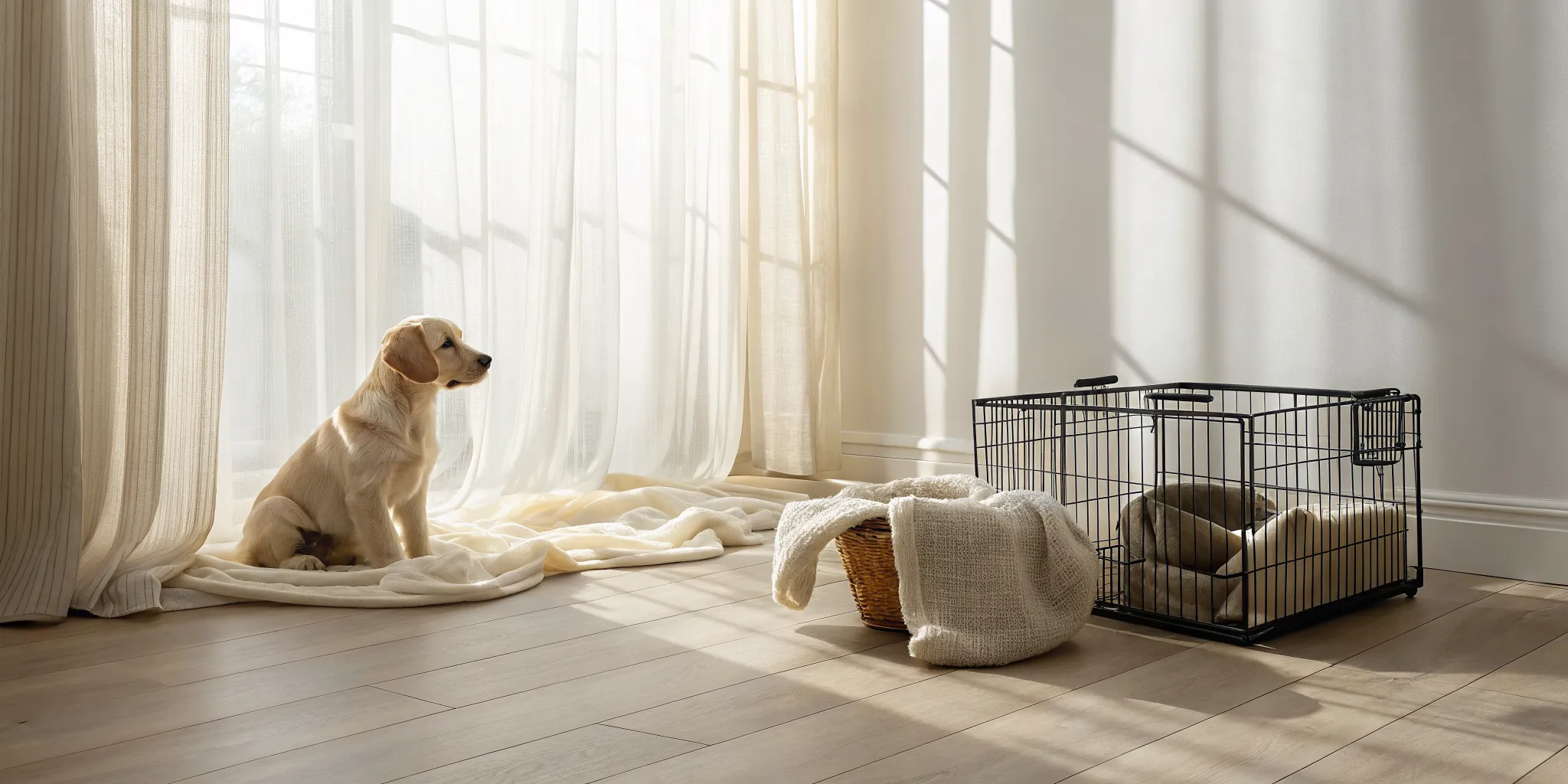
Before your puppy even arrives, you can make their transition smoother by setting up a dedicated space just for them. A cozy crate with a soft bed or a gated-off corner of a room can serve as their personal den, a place where they can rest and feel secure. Puppy-proofing is also a must; get down on their level to spot and remove any potential hazards like loose wires or small objects. To make their new space feel more familiar, bring home a blanket that has the scent of their first home. And don’t forget the essentials! You’ll want to have food and water bowls, a collar and leash, and plenty of fun toys ready to go. Stocking up on premium pet toys and accessories ensures you have everything you need for a happy homecoming.
Creating a Foundation for a Happy Life Together
Now is the perfect time to start laying the groundwork for good behavior. House training should begin immediately, with a consistent schedule of frequent potty breaks, especially after waking up, after playing, and after eating. At the same time, you can introduce basic commands. Start with simple, fun training sessions for words like “sit” and “stay.” Keep these sessions short, positive, and rewarding, using plenty of praise and tasty treats. Every puppy learns differently, and understanding your companion’s specific needs can make training much easier. You can find helpful tips by reading up on your puppy’s specific breed information to tailor your approach.
Related Articles
- The 10 Best Puppies for First Time Owners
- Hybrid Puppies for Sale: A Buyer’s Guide
- How to Choose a Puppy: A Step-by-Step Guide
- The 5 Best Hypoallergenic Dogs for Families
Frequently Asked Questions
Is it ever okay to bring a puppy home before 8 weeks? While the excitement is completely understandable, the 8-week mark is the standard for a very important reason. Those first two months are when a puppy learns foundational lessons about behavior and confidence from their mother and siblings that humans simply can’t replicate. A quality, responsible source will always prioritize a puppy’s developmental needs over a quick timeline, ensuring they are physically and emotionally ready for the transition to your home.
What if my puppy seems shy or scared during the first few days? This is completely normal. Imagine being in a brand new place without your family for the first time; it’s a huge adjustment. The best thing you can do is be a calm, reassuring presence. Create a cozy, safe space for them, like a crate with a soft blanket, where they can retreat if they feel overwhelmed. Speak in a gentle voice and let them explore at their own pace. Patience and positive reinforcement will show them that their new home is a safe and loving place.
My puppy is older than 12 weeks. Have I missed the socialization window? Not at all. While the period between 6 and 12 weeks is a critical time for learning, the socialization window doesn’t just slam shut. Think of it as an ongoing process. You can absolutely continue to introduce your puppy to new sights, sounds, and friendly faces in a positive way. The key is to go at your puppy’s pace and make every new experience a good one. A confident start makes this process much smoother, but building a well-adjusted dog is a journey you’ll continue together.
How can I tell if my puppy has been properly socialized before coming home? You can learn a lot by observing a puppy’s behavior. A well-started puppy is typically curious, playful, and comfortable being handled. They should show interest in people without being overly fearful or aggressive. A quality source will also be transparent and happy to tell you about the puppy’s daily life, including how they interact with people and other puppies. This open communication is a great sign that your puppy has received plenty of positive attention from day one.
What are the most important things to focus on during the first week? The first week is all about building a foundation of trust and routine. Your main priorities should be establishing a consistent schedule for potty breaks, feeding, and sleep. This predictability helps your puppy feel secure. Focus on bonding through gentle play and positive interactions rather than overwhelming them with too much activity. You can also begin introducing basic house rules and simple commands, always keeping training sessions short, fun, and full of praise.