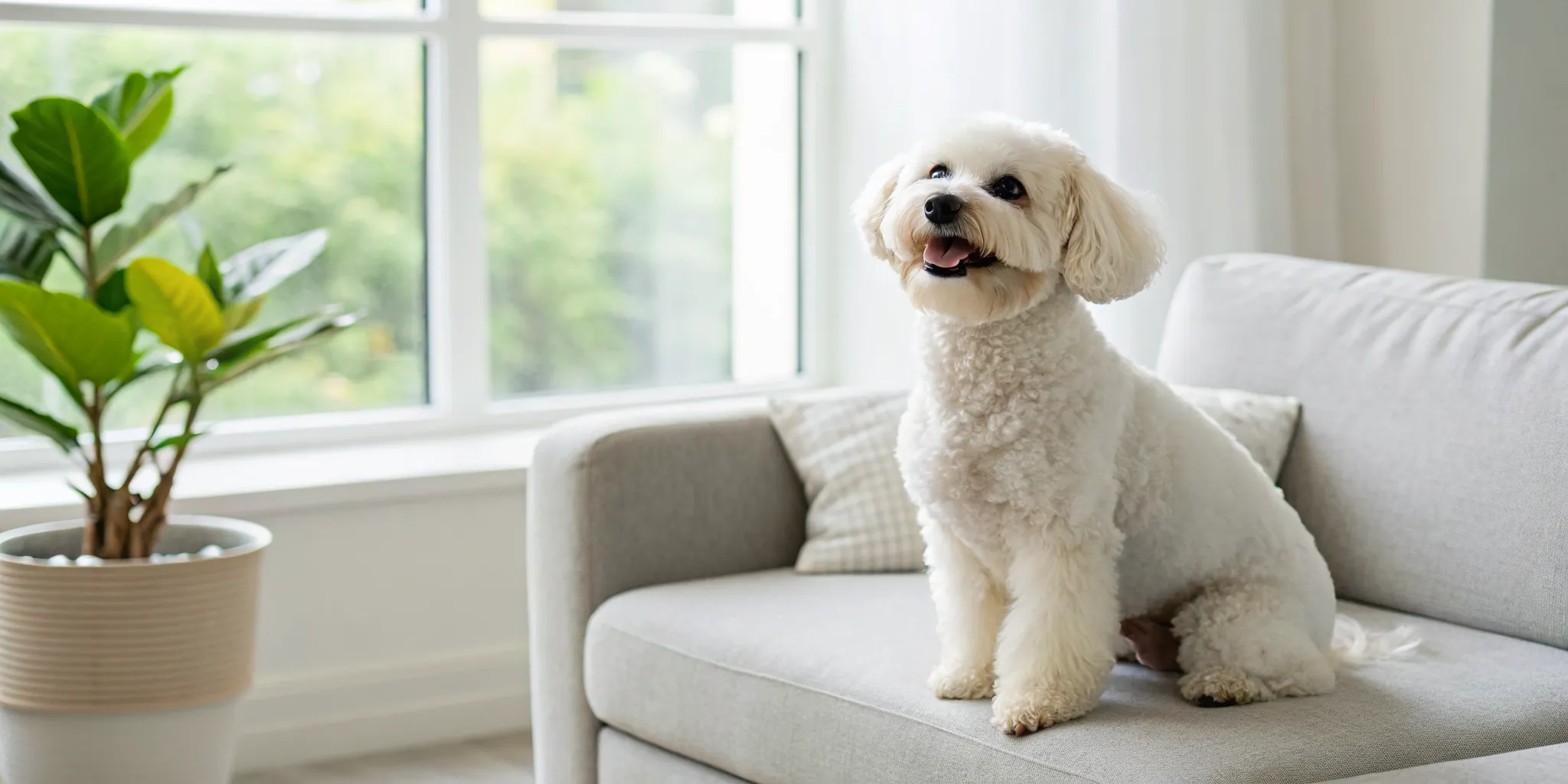
It’s easy to be captivated by the Bichon Frise’s powder-puff coat and sparkling dark eyes, but their most enchanting quality is their personality. Beyond their stunning looks lies a sharp mind, a comical spirit, and a heart full of love for their people. They are natural entertainers who thrive on being the center of a loving family. To truly appreciate this breed, you have to look past the fluff and get to know their character. We’ll explore the core traits of the bichon frise temperament and personality, covering their social nature, their surprising intelligence, and why they form such unbreakable bonds with their owners in New Jersey and beyond.
Key Takeaways
- Prioritize Companionship for a Happy Bichon: These dogs are true companions who thrive on being with their people. Their happiness depends more on consistent attention and interaction than the size of your home, making them great for families who are often around.
- Use Positive Training for Best Results: A Bichon’s intelligence and sensitive nature mean they learn best through encouragement. Keep training sessions short, fun, and reward-based to effectively manage their quirks and build a strong, trusting bond.
- Establish a Routine for Coat and Exercise: Daily brushing and moderate activity are non-negotiable for this breed’s well-being. A consistent schedule for coat upkeep and daily play prevents discomfort and keeps their cheerful personality shining through.
What Makes the Bichon Frise Temperament So Charming?
If you’re looking for a dog that’s overflowing with personality, the Bichon Frise is a perfect match. These little white fluffballs are famous for their delightful temperament, which makes them incredible companions for all kinds of families across New Jersey and New York. Their charm isn’t just about their cute looks; it’s their happy, loving, and clever nature that truly wins hearts. When you bring a Bichon into your home, you’re not just getting a pet, you’re gaining a joyful new family member. Let’s explore the key traits that make the Bichon Frise personality so irresistible.
A Cheerful and Affectionate Companion
The Bichon Frise is often described as cheerful and easygoing, and for good reason. This personality is a hallmark of the breed, prized for its friendly and affectionate nature. They have a talent for spreading happiness and are incredibly devoted to their people. A Bichon will happily follow you from room to room, content just to be by your side. They thrive on being part of the family and will soak up all the love and attention you can give. This breed’s sweet disposition makes them a wonderful choice for anyone seeking a constant, loving friend. You can find more details about this and other dogs in our breed information library.
Smart and Eager to Please
Don’t let their playful exterior fool you; Bichons are highly intelligent dogs. They are quick learners who genuinely enjoy training sessions, especially when treats and praise are involved. Because they are so eager to please their owners, they respond wonderfully to positive reinforcement. This combination of brains and a willing attitude makes them an ideal dog for first-time owners. Their intelligence also means they need mental stimulation to stay happy. Providing them with puzzle toys and regular playtime will keep their minds sharp and prevent boredom. You can find a great selection of engaging toys in our pet boutique.
A Friendly and Social Disposition
The Bichon Frise is known for being a true personality dog. They are social butterflies who tend to get along with everyone they meet, including strangers, children, and other pets. Their friendly demeanor makes them a joy to have around, whether you’re relaxing at home or have guests over. Early socialization helps ensure a Bichon is well-adjusted and confident, but the breed is naturally excited to be with people of all ages. They form strong bonds with their families and are known for being gentle and patient. Take a look at our alumni puppy gallery to see how well our Bichons have settled into their loving homes.
How Do Bichons Interact with Children and Other Pets?
One of the biggest questions for anyone bringing a new puppy home is how they’ll fit into the existing family dynamic. With their sociable and outgoing personalities, Bichon Frises are fantastic candidates for households with children and other animals. They generally thrive on activity and love being part of the action.
However, like any dog, a successful transition depends on proper introductions and early life experiences. Understanding their needs will help you create a harmonious environment where your Bichon, your kids, and any other furry family members can build a happy life together.
Great Companions for Families
Bichons are often a wonderful match for families with children. Their playful, gentle nature and sturdy build (for a small dog) make them great playmates. They have the energy to keep up with playtime in the backyard and the affectionate side to enjoy a good cuddle session on the couch. It’s important to teach children how to interact respectfully with a small puppy, ensuring all play is gentle and supervised. When that foundation of respect is there, a Bichon can become a child’s most loyal and joyful friend, creating memories that last a lifetime. You can see many of our happy puppy alumni thriving in their family homes.
Living in a Multi-Pet Household
If you already have other pets, a Bichon can often blend in beautifully. They are not typically territorial and are usually open to making new friends, whether canine or feline. Their cheerful disposition means they often get along well with other dogs, especially when introduced properly from a young age. With cats, their curious but gentle approach can lead to peaceful coexistence or even friendship. The key is a slow and positive introduction process, allowing each pet to get used to the other’s presence on their own terms. This adaptability is one of the many reasons they are such a popular dog breed.
Why Early Socialization Is Key
Early socialization is the cornerstone of a well-adjusted and confident adult dog. For a Bichon, this process is crucial for nurturing their naturally friendly temperament. Exposing your puppy to various sights, sounds, people, and other animals in a positive way helps them learn that the world is a safe and exciting place. This early training ensures they grow into a dog that is comfortable and well-behaved in different situations, from a busy family gathering to a walk in the park. A well-socialized Bichon is less likely to be fearful or anxious, allowing their charming personality to shine through in any setting.
What Are a Bichon Frise’s Key Personality Traits?
The Bichon Frise is celebrated for a personality as delightful as its fluffy white coat. These little dogs pack charm and affection into a small package, making them wonderful companions. Their temperament is a blend of playfulness and sensitivity, and they thrive on being part of the family. Understanding their core traits is the first step to a lifelong bond. If you’re looking for a dog that will fill your home with joy and laughter, exploring the Bichon Frise puppies for sale is a fantastic place to start.
A Playful and Energetic Spirit
A Bichon Frise’s most defining characteristic is a cheerful, almost comical, disposition. They have a playful spirit that remains well into their adult years. This isn’t hyperactive energy, but a joyful zest for life that shows up in their love for games and daily walks. A Bichon is always up for a game of fetch or a fun puzzle toy. This upbeat personality makes them incredibly entertaining companions. Their energy is manageable for most living situations, including apartments, as long as they get regular opportunities to play and engage with their favorite people.
Forming a Strong Bond with Their People
Bichons are companion dogs through and through, forming deep, loving attachments to their families. They want to be involved in everything you do and will happily follow you from room to room. They thrive on human interaction and are known for being particularly affectionate. This strong desire for connection means they do best in homes where they won’t be left alone for long periods. Their loving nature makes them a perfect fit for families who want a true canine member of the household. You can see these incredible bonds for yourself in our alumni puppy gallery.
Sensitive to Your Emotions
Beneath their playful exterior, Bichons are remarkably intelligent and sensitive. They are very attuned to their owner’s emotions and can often sense when you’re happy or sad. This emotional intelligence, combined with their eagerness to please, makes them highly responsive to training. They genuinely want to make you happy, so they respond best to positive reinforcement and gentle guidance. A harsh tone can easily upset them, so a kind and patient approach is key. This sensitivity is a huge part of what makes them such devoted companions; they connect with you on a deeper level.
Are Bichons Prone to Separation Anxiety?
Bichons form incredibly strong attachments to their families, which is one of their most endearing qualities. This deep bond, however, means they can struggle when left alone. Separation anxiety is common in the breed, but it’s absolutely manageable. Understanding why it happens and knowing how to respond can make all the difference in helping your little companion feel safe and secure, even when you have to step out.
Understanding Their Need for Companionship
Bichon Frises were bred for centuries to be companions, so it’s no surprise they crave human interaction. They truly thrive on being part of the family’s daily activities. This deep-seated need for closeness means they don’t enjoy being left by themselves for long stretches. A Bichon’s ideal home is one where someone is around for most of the day. Their desire for companionship is a core part of their identity, making them wonderful pets for families in New Jersey and New York looking for a constant furry friend. You can learn more about their history in our breed information guide.
Spotting the Signs of Distress
It’s important to recognize the signs of separation anxiety so you can address them early. When a Bichon feels anxious about being alone, they might express it in several ways. You may notice destructive behaviors, like chewing on furniture or scratching at doors. Some will whine or bark persistently after you leave. Another common sign is having accidents in the house, even if they are fully housetrained. These aren’t acts of defiance; they are genuine expressions of distress. Your puppy is simply trying to cope with the overwhelming feeling of being left behind.
Strategies to Help Them Feel Secure
The key to managing separation anxiety is teaching your Bichon that being alone is safe. Start by practicing short departures, leaving for just five to ten minutes at a time and gradually increasing the duration. Before you go, make sure they’ve had a good walk or playtime to burn off excess energy. It also helps to give them a special puzzle toy to keep their mind occupied; you can find some great options in our pet boutique. When you leave and return, try to keep your greetings calm and low-key to avoid making it a huge event. This consistency helps them understand that your comings and goings are a normal part of the day.
What Are the Common Bichon Training Challenges?
Bichons are incredibly bright and eager to please, which makes training them a rewarding experience. However, like any breed, they come with their own unique set of challenges that new owners should be aware of. Their intelligence can sometimes be paired with a stubborn streak, and certain skills, like housetraining, may require a bit more patience. But don’t worry, these hurdles are completely manageable with the right approach. Understanding their mindset is the first step to helping your little companion become a well-behaved member of the family. With consistency and a positive attitude, you’ll find that training your Bichon can be a fun and bonding activity for both of you.
Tips for Successful Housetraining
One of the most common questions we get from new puppy parents in New Jersey and New York is about housetraining. With Bichons, this process can sometimes take a little longer compared to other breeds. The absolute key to success is consistency. Establish a strict routine from day one, with frequent potty breaks, especially after waking up, after playing, and after eating. Choose a designated spot outside and use a consistent command. When accidents happen (and they will), avoid scolding. Instead, clean the area thoroughly to prevent them from returning to the same spot and focus on rewarding successful trips outside with lots of praise and a small treat.
Handling Their Smart but Stubborn Side
Bichons are clever dogs, which is a huge asset during training. They pick up on commands quickly and love to show off new tricks. However, that same intelligence can also lead to a bit of a stubborn streak. They might test boundaries to see what they can get away with. To work with this trait, keep your training sessions short, fun, and engaging. If your puppy seems bored or distracted, it’s better to end on a positive note and try again later. Using exciting toys and high-value treats will keep them motivated and focused on you, turning training into a game they want to win.
Why Positive Reinforcement Is So Effective
Given their sensitive and people-oriented nature, Bichons respond beautifully to positive reinforcement. This training method focuses on rewarding good behavior rather than punishing mistakes. When your Bichon successfully follows a command, offering praise, a favorite toy, or a tasty treat builds a positive association with training. Because they are such fast learners, they quickly figure out what actions earn them rewards. Harsh corrections or a raised voice can cause these sensitive pups to become anxious or shut down, making training much less effective. By keeping things upbeat and encouraging, you’ll build a strong, trusting bond with your puppy.
How Does Coat Care Affect a Bichon’s Mood?
A Bichon Frise’s beautiful, fluffy white coat is one of their most defining features, but it’s also directly linked to their happiness. Proper upkeep is about more than just looking good; it’s essential for their physical and emotional well-being. When a Bichon’s coat becomes matted or tangled, it can pull on their sensitive skin, causing constant discomfort and even pain. This can easily make a cheerful puppy feel irritable and withdrawn, which is the opposite of their naturally sunny disposition.
Keeping their coat clean and tangle-free helps them feel their best, allowing their playful and loving personality to shine through. Think of it as a form of wellness. A comfortable dog is a happy dog, and for a Bichon, comfort starts with a well-maintained coat. Establishing a consistent routine for their upkeep is one of the best ways to support their cheerful disposition and ensure they are always ready for a cuddle or a game of fetch. This regular attention not only keeps them feeling great but also deepens the bond you share.
The Impact of Daily Brushing
Daily brushing is a non-negotiable for a Bichon Frise. Their curly, double coat is prone to matting, and those tangles can form quickly if not addressed. Just a few minutes of brushing each day can prevent painful knots from developing close to the skin. This simple routine is a cornerstone of their care and plays a huge role in their daily mood. When your puppy is free from the discomfort of pulling hair, they are much more likely to be their happy, social selves. You can find more details about their specific needs in our breed information guide.
Behavioral Benefits of Professional Care
Regular visits to a professional for styling offer more than just a cute haircut. For many Bichons, it’s a relaxing and positive experience that contributes to a calm demeanor. The gentle handling and soothing baths can feel like a spa day, leaving them feeling refreshed and content. A professional can also spot any potential skin issues hidden beneath their dense fur that you might miss at home. This expert attention ensures your puppy stays healthy and comfortable, which is fundamental to their happy-go-lucky temperament. Between visits, you can find all the best brushes and supplies at our pet boutique.
How to Make Coat Care a Positive Experience
The key to making upkeep a pleasant activity is to turn it into a special bonding time. Start when they are young, introducing the brush gently for short periods. Always pair the experience with plenty of praise, pets, and their favorite treats. This helps your Bichon build a positive association with being handled and brushed. A consistent and gentle approach will teach them that this is a time for connection, not something to be feared. Soon, they’ll look forward to these daily sessions, strengthening the wonderful bond you share. You can see how happy and well-cared-for our pups are in our alumni puppy gallery.
What Exercise Does a Bichon Frise Need?
Don’t let their small size fool you; Bichon Frises have a playful and energetic spirit that needs a healthy outlet. While they aren’t built for long-distance running or strenuous hikes, they thrive on consistent, moderate activity. A well-exercised Bichon is a happy and well-behaved companion. Their needs are a perfect blend of physical movement and mental engagement, making them an excellent match for various lifestyles, from apartment living in New York to family homes in New Jersey.
The key is finding a routine that keeps them physically fit and mentally sharp. Daily walks combined with dedicated playtime are usually enough to satisfy their energy levels. Because they are so intelligent, incorporating games and training into their day is just as important as a walk around the block. This not only prevents boredom but also strengthens the incredible bond you’ll share. A balanced approach ensures your fluffy friend stays content, healthy, and ready for cuddles at the end of the day.
Meeting Their Daily Activity Needs
A Bichon Frise doesn’t require a huge yard to be happy. Their exercise needs can easily be met with a couple of short walks each day, about 20 to 30 minutes in total. These outings are great for sniffing around the neighborhood and getting some fresh air. Beyond walks, Bichon Frises are energetic, intelligent dogs who love to learn, so they need lots of indoor playtime, too. A game of fetch down the hallway or a session with a favorite squeaky toy can be just as satisfying for them. You can find more details in our breed information library to see if their activity level fits your lifestyle.
Handling Bursts of Energy (the “Bichon Blitz”)
If you spend time with a Bichon, you’ll eventually witness the famous “Bichon Blitz.” This is when they suddenly get a burst of energy and start running around at top speed, often in circles. It’s a hilarious and endearing quirk that usually happens when they’re particularly happy or excited, like when you come home or after a bath. Don’t be alarmed; this is completely normal behavior. It’s just their way of releasing pent-up excitement. Think of it as a joyful explosion of energy that showcases their playful personality. You can see some of our happy pups in action in our video gallery.
Keeping Their Minds Sharp and Engaged
Bichons are incredibly smart and eager to please, which means mental exercise is just as crucial as physical activity. They love to learn tricks and perform for their families, making training sessions a fun bonding experience. Keep their minds working with puzzle toys, hide-and-seek games, or by teaching them new commands. This mental stimulation prevents boredom, which can sometimes lead to unwanted behaviors. Stocking up on a few engaging pet toys and accessories is a great way to ensure your clever companion always has a fun challenge to tackle. A busy mind makes for a happy Bichon.
Do Bichons Adapt to Different Living Situations?
One of the most wonderful things about the Bichon Frise is its incredible adaptability. Whether you live in a spacious house in suburban New Jersey or a chic apartment in New York City, this breed can thrive. Their happiness isn’t tied to the size of their home but to the amount of love and attention they receive from their family. This flexibility makes them a fantastic choice for a wide range of households. The key is understanding that their world revolves around their people.
Are They a Good Fit for Apartment Living?
Yes, Bichons are an excellent match for apartment living. Their small size means they don’t require a huge amount of space to be comfortable and are perfectly content in smaller quarters, provided they get enough daily exercise. A couple of brisk walks and some indoor playtime are usually enough to keep them happy and healthy. Their low-shedding coat is another plus for keeping a tidy apartment. For city dwellers looking for New York puppies, the Bichon Frise is a popular and practical choice that fits seamlessly into an urban lifestyle.
Why Companionship Matters More Than Space
For a Bichon Frise, companionship is everything. These dogs were bred to be companions, and they form incredibly strong bonds with their families. Because of this, they don’t do well when left alone for long periods and can be prone to separation anxiety. A large, empty house can feel much lonelier to a Bichon than a small apartment where their favorite person is always nearby. Before bringing one of our puppies for sale home, it’s important to consider if your lifestyle allows for consistent companionship. If so, your Bichon will be the happiest dog in the world, no matter the square footage.
How Their Environment Shapes Their Personality
A Bichon’s environment plays a big role in shaping their cheerful personality. They flourish in busy, active homes where there’s always something going on. Their friendly and social nature means they generally get along well with strangers, children, and other pets, especially with early socialization. A home filled with love helps them develop into the confident, charming dogs they are meant to be. At Furrylicious, we ensure our puppies start their lives in a positive setting, which you can learn more about on our About Us page. This foundation helps them transition smoothly into their new families.
What Behavioral Quirks Should New Owners Expect?
Every dog breed has its own set of unique behaviors, and the charming Bichon Frise is no exception. These little quirks are often directly tied to what they were originally bred for: being delightful companions. Understanding these tendencies from the start helps you create a happy and harmonious home. Instead of viewing them as problems, think of them as opportunities to understand your new puppy’s personality and needs. With a bit of consistency and positive guidance, you can easily manage these traits and enjoy all the wonderful aspects of life with a Bichon.
From their desire to be the center of your world to their surprisingly alert nature, these behaviors are all part of the package. The key is learning how to channel their intelligence and energy in positive ways. For example, their need for attention stems from a deep-seated desire to bond with you, which is one of their most lovable qualities. Their tendency to bark isn’t about being noisy; it’s about their instinct to protect their family and alert you to anything new. By anticipating these quirks, you’ll be fully prepared to be the best pet parent you can be, building a strong, loving bond with your new family member from day one. We’ll cover some of the most common behaviors below and give you simple, actionable strategies to guide your puppy.
Managing Attention-Seeking Habits
Bichons were bred to be sociable and affectionate companions, so it’s no surprise they thrive on human interaction. This means your little fluffball will likely want to be your shadow, following you from room to room and nudging your hand for a pet. While this is incredibly endearing, it’s also important to teach them that it’s okay to have some quiet time alone. You can manage this by establishing a consistent routine and providing plenty of engaging toys to keep them occupied. A fun puzzle toy or a special chew from our pet boutique can work wonders when you need them to entertain themselves for a bit. This helps build their confidence and prevents over-dependence.
How to Handle Barking
For their small size, Bichons can have a surprisingly alert bark. They often see it as their job to let you know about every new sight and sound, from the mail carrier’s arrival to a squirrel scampering across the lawn. This makes them excellent little watchdogs, but it’s a habit you’ll want to manage. The best approach is to teach a “quiet” command early on, rewarding them with praise or a small treat when they stop barking. Avoid shouting, as they might think you’re just joining in on the fun. Consistent training will help them understand when it’s appropriate to use their voice and when it’s time to be calm, strengthening your communication and bond.
Using Training to Redirect Behavior
The great news is that Bichons are incredibly smart and learn quickly, which makes training a rewarding experience. They are eager to please and respond beautifully to positive reinforcement. When you notice an unwanted behavior, like barking at a passerby, the best strategy is to redirect their attention. Call their name and ask them to perform a simple command they know, like “sit.” When they obey, shower them with praise. This simple act shifts their focus and reinforces good behavior. By channeling their intelligence into learning tricks and commands, you can easily redirect any quirky habits into positive, engaging activities. You can find more helpful tips on our breed information page.
Related Articles
- Bichon Frise Pros and Cons: Is This Dog for You?
- 15 Small Dog Breeds: A List with Pictures
- 6 Small Fluffy Puppies for Sale: Find Your Match
Frequently Asked Questions
Are Bichons good for first-time dog owners? Absolutely. Their combination of intelligence and a strong desire to please makes them very receptive to training. They respond wonderfully to positive, patient guidance, which is a great confidence builder for new owners. While they can have a stubborn moment or two, their loving nature and manageable size make them a fantastic choice for someone learning the ropes of dog ownership.
How much attention does a Bichon Frise actually need? Bichons are true companion dogs, so they need a significant amount of interaction. They are happiest when they are involved in family life and do not do well when left alone for long, consecutive hours. Their ideal home is with someone who works from home, is retired, or has a family schedule that allows for plenty of togetherness. This need for closeness is a core part of their personality.
Is a Bichon’s energy level manageable in an apartment? Yes, their energy is perfectly suited for apartment living. While they are playful, they don’t require a large yard to be content. Their needs are easily met with daily walks and dedicated indoor playtime. You might even witness the famous “Bichon Blitz,” a sudden burst of running, which is just their joyful way of releasing excitement and is usually over as quickly as it starts.
Are Bichons noisy or do they bark a lot? They can be alert barkers, as they often take on the role of the family’s little watchdog. This means they’ll likely let you know when someone is at the door or a squirrel is in the yard. However, this is a very manageable trait. With consistent training from a young age, you can teach them a “quiet” command to help them understand when it’s time to settle down.
How important is their coat maintenance, really? It is extremely important, and it goes far beyond just looks. A Bichon’s coat can easily become matted, and these tangles pull on their skin, causing real discomfort and pain. This can directly affect their mood, making a normally cheerful dog feel irritable. Daily brushing is essential to keep them comfortable and happy, allowing their wonderful personality to shine.