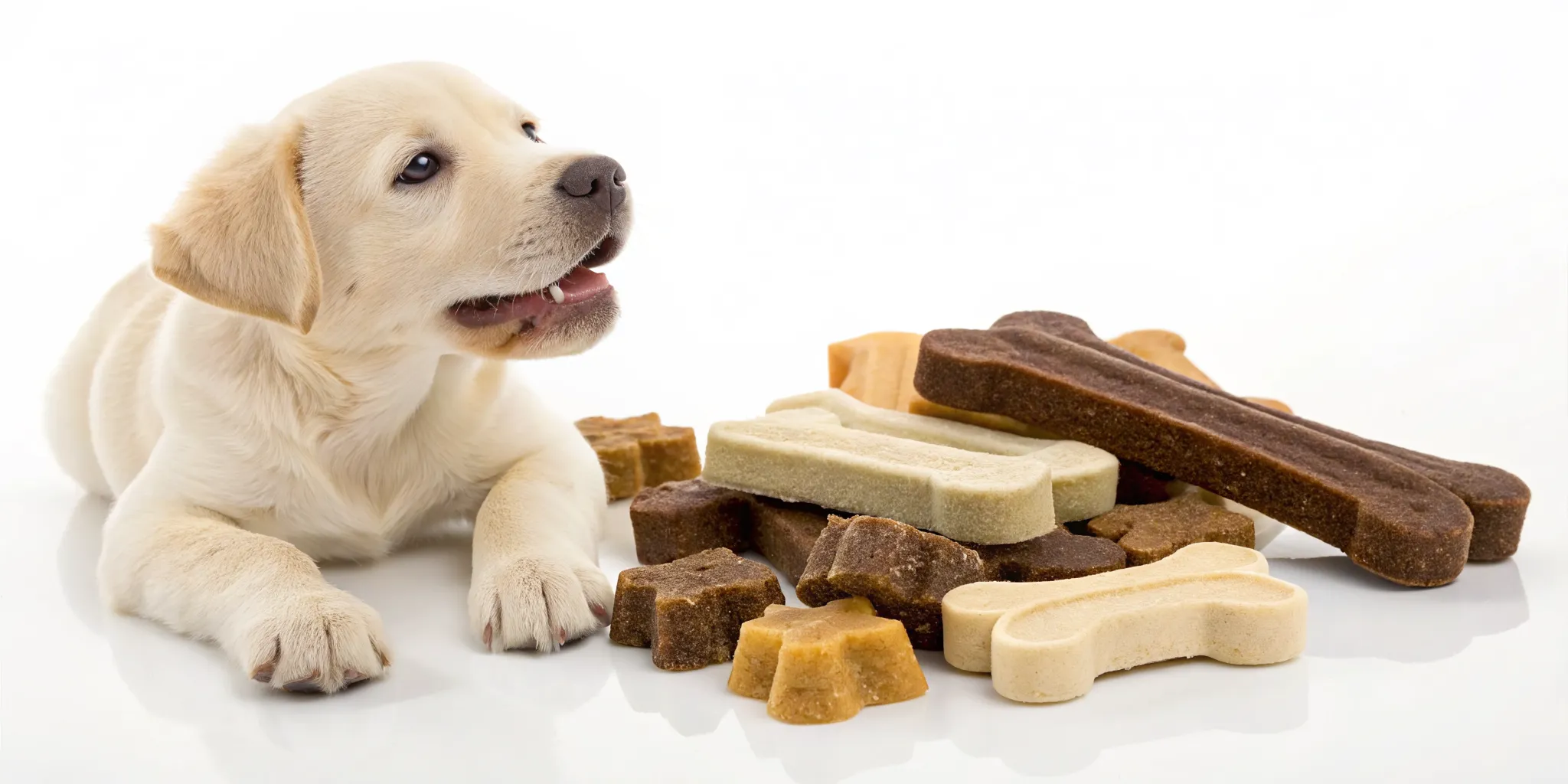
That adorable, tiny mouth is going through some big changes. If you’ve noticed your new companion chewing on everything from your fingers to the furniture legs, you’re in the middle of the teething phase. This is a completely normal and necessary stage, but it’s also a critical window to teach healthy habits. Instead of redirecting them with just any toy, you can make this time productive for their health. The right puppy dental chews do more than just save your favorite shoes. They are specifically designed to be gentle on developing teeth while effectively cleaning them, turning a natural instinct into a positive, health-promoting activity.
Key Takeaways
- Introduce dental chews at the right time: Wait until your puppy is at least six months old and has their adult teeth before giving them dental chews. For younger puppies who are teething, stick to soft, puppy-specific teething toys that are gentle on their developing gums.
- Prioritize quality ingredients and certifications: When selecting a chew, read the ingredient list to find natural, digestible options and avoid artificial colors, flavors, or preservatives. Look for the Veterinary Oral Health Council (VOHC) seal for extra assurance that the product is proven to work.
- Always supervise your puppy with chews: Safety is essential, so keep a close eye on your puppy while they enjoy a dental chew to prevent choking. Be sure to take the chew away once it becomes small enough to be swallowed whole.
Why Your Puppy’s Dental Health Matters
Bringing a new puppy home is one of life’s greatest joys. As you get to know their unique personality, it’s also the perfect time to build healthy habits that will last a lifetime. While we focus on house training and socialization, one area that’s easy to overlook is dental care. But just like for us, a healthy mouth is a cornerstone of your puppy’s overall well-being. Starting a dental routine early on is one of the best things you can do for their long-term health.
If you’ve noticed your little one chewing on everything in sight, there’s a good reason for it. Puppies go through an intense teething phase, usually between three and six months old. Chewing helps soothe their sore gums as their baby teeth fall out and adult teeth come in. This isn’t just a passing habit; chewing is a critical part of a puppy’s development. Providing them with safe and appropriate things to chew on channels this natural instinct in a positive way.
This is where dental chews come in. They do more than just save your favorite shoes from those sharp little teeth. The right dental chews are designed to help clean your puppy’s teeth as they chew, scraping away plaque and tartar before they can build up. Many high-quality chews are even scientifically proven to reduce tartar and plaque, which is your best defense against gum disease down the road. By giving your puppy a dental chew, you’re not just giving them a tasty treat; you’re actively supporting their dental health in a way they’ll actually enjoy.
When Can Puppies Have Dental Chews?
Timing is everything, especially when it comes to your puppy’s dental health. While it’s tempting to grab a dental chew on your first trip to the pet store, giving one too early can do more harm than good. A puppy’s dental needs change quickly during their first year, and their jaws and teeth are still developing. Introducing the right kind of chew at the right time helps establish a positive routine and keeps their new teeth safe.
Before you let your pup enjoy their first dental treat, it’s important to understand the key milestones in their dental development. From the early teething phase, when their gums are sore and sensitive, to the arrival of their permanent adult teeth, each stage calls for a different approach to chewing. Getting this right not only prevents potential dental damage but also teaches your puppy healthy habits that will last a lifetime. It’s about more than just fresh breath; it’s about setting the foundation for strong teeth and gums for years to come. Let’s walk through what you need to know to make smart, safe choices for your new best friend.
Tips for the Teething Stage (3-6 Months)
If you have a new puppy at home, you’re probably very familiar with teething. This stage is when your puppy’s baby teeth fall out to make way for their adult set. You’ll notice a lot of chewing between 12 and 16 weeks, as this is when the process really ramps up. Chewing helps soothe their sore gums and encourages their baby teeth to come loose.
During this sensitive period, it’s best to avoid hard dental chews. Instead, offer soft, puppy-specific teething toys that are gentle on their developing mouth. You can find some great options in our pet boutique. Proper puppy dental care starts with safe and appropriate toys that satisfy their need to chew without risking damage to their incoming teeth.
How to Safely Introduce Chews After 6 Months
Once your puppy is about six months old and has most of their adult teeth, you can start introducing dental chews. This is a great way to begin a lifelong habit of good oral hygiene. When you give that first chew, stay close and watch how they handle it. This helps ensure they are chewing safely and not trying to swallow large pieces.
Remember that dental chews contain calories, so they should be factored into your puppy’s daily food allowance to prevent unwanted weight gain. Think of them as a functional treat, not a meal replacement. Introducing chews properly helps your new companion learn healthy habits from the start, setting them up for a lifetime of happy smiles.
Choose the Right Size and Texture for Their Age
Picking the right dental chew isn’t just about flavor; size and texture are critical for safety and effectiveness. A chew that’s too small can become a choking hazard, while one that’s too large might be too difficult for your puppy to handle. Always check the packaging for weight and age recommendations.
The texture is just as important. Puppies need chews that are softer than those designed for adult dogs. Their jaws are still strengthening, and a chew that is too hard could potentially fracture a tooth. It’s also helpful to consider your puppy’s chewing style. Some are gentle nibblers, while others are more powerful chewers. Knowing your pup’s habits will help you pick a dental chew that’s both safe and satisfying.
How to Pick the Best Puppy Dental Chews
Walking down the pet supply aisle can feel a little overwhelming, especially with a wall of dental chews staring back at you. How do you know which one is safe, effective, and right for your new puppy? Don’t worry, it’s easier than it looks. We can narrow down the options by focusing on a few key things: ingredients, certifications, and your puppy’s specific needs. Let’s go through what to look for so you can feel confident in your choice.
Look for These Safe Ingredients
When you’re scanning the packaging, the ingredients list is your best friend. Always aim for chews made from natural, wholesome ingredients like real proteins and grains. This ensures your puppy is getting a nutritious treat, not just a piece of plastic. If your little one has a sensitive stomach or you suspect they might have allergies, plant-based dental chews are a fantastic alternative. These are often made from easily digestible starches and have limited-ingredient formulas, making them gentle on your puppy’s tummy while still doing the important work of cleaning their teeth.
Steer Clear of These Harmful Additives
Just as important as what’s in the chew is what’s not in it. Try to avoid products packed with artificial additives. A long list of unpronounceable ingredients is usually a red flag. Specifically, look for chews that are free from artificial colors, flavors, and preservatives. Choosing a more natural option helps support your puppy’s overall health and reduces the risk of any unwanted reactions. A simple, clean ingredient list means you’re giving your puppy a healthy treat you can feel good about, which is something we always prioritize in our pet boutique.
What is the VOHC Seal (And Why It Matters)
Here’s a pro tip: look for the VOHC seal on the packaging. VOHC stands for the Veterinary Oral Health Council, and it’s a big deal in the world of pet dental health. This seal isn’t just a marketing sticker; it means the product has gone through scientific testing and has been proven to effectively reduce plaque and tartar. Think of it as a veterinarian’s stamp of approval. While not every great chew has the seal, choosing one that does gives you extra assurance that you’re buying a product that actually works to keep your puppy’s gums and teeth healthy.
Match the Chew to Your Puppy’s Breed
Finally, consider your puppy’s unique size and personality. A tiny Yorkie has very different needs than a sturdy Golden Retriever. Most veterinarians recommend matching the chew to your dog’s size and chewing style. Is your puppy a gentle nibbler or a powerful chewer? The packaging will usually have sizing guidelines. Choosing the right size prevents choking hazards and ensures the chew is effective. If you’re unsure about your puppy’s chewing habits, our breed information page can offer some great insights into what you can expect as they grow.
Our Favorite Puppy Dental Chew Brands
With so many options out there, it can be tough to figure out which dental chews are actually good for your new furry family member. We’ve done the homework for you, focusing on brands that use quality ingredients to keep your puppy’s smile bright and their gums healthy. These are the chews we trust and recommend to new puppy parents in New Jersey and New York.
Our Handpicked Selection at Furrylicious
When you visit our pet boutique, you’ll find a carefully chosen collection of toys and treats. We only stock products that we’d feel confident giving to our own puppies. Our selection process is simple: we look for safe, effective, and puppy-approved dental chews that support healthy development. From soothing teething pains to cleaning little teeth, these brands deliver on their promises and help you establish a great dental care routine right from the start.
GREENIES Puppy Dental Treats
A classic for a reason, GREENIES Puppy Dental Treats are a fantastic choice for puppies six months and older. Their unique texture is designed to scrub away plaque and tartar as your puppy chews, all while being easy to digest. Vets often recommend them because they effectively clean teeth down to the gumline and help freshen that infamous puppy breath. They also support healthy teeth and jaw development, making them a smart addition to your puppy’s routine once they’re old enough.
Get Naked Puppy Health Dental Chew Sticks
If you’re looking for a grain-free option, Get Naked Puppy Health Dental Chews are an excellent pick. These sticks are made with wholesome ingredients specifically for a growing puppy’s needs. They contain DHA Omega-3 fatty acids, which are great for supporting healthy brain development. The chewing action not only helps clean teeth but also provides welcome relief for sore gums during teething. It’s a treat that works double-duty, supporting both cognitive and dental health.
Benebone and Nylabone Puppy Options
For puppies who are serious about chewing, Benebone and Nylabone are top contenders. The Benebone Puppy Dental Chew is made with a slightly softer material that’s gentle on little teeth and is flavored with real bacon to keep them interested. Its clever design with ridges also helps soothe sore gums. Similarly, Nylabone offers a wide range of puppy chews made from durable materials that clean teeth as your puppy plays. Both brands are fantastic for teaching your puppy healthy chewing habits from a young age.
How to Use Dental Chews Safely and Shop Smart
Once you’ve found a few great dental chew options, the next step is to introduce them safely and make sure you’re getting the best products for your pup. A little bit of know-how goes a long way in turning chew time into a safe, healthy, and happy routine. It’s all about creating good habits from the start, both for your puppy and for you as a shopper. These simple tips will help you feel confident about giving your new family member the best dental care.
Always Supervise: Introducing New Chews
Your puppy’s safety is the top priority, and that means supervision is a must, especially when introducing a new chew. Every puppy has a unique chewing style, and it’s important to watch them closely to make sure they aren’t trying to swallow large pieces. A good rule of thumb is to let them enjoy their chew in a quiet space where you can keep an eye on them. If a piece breaks off, it’s best to take it away to prevent any choking hazards. This simple step ensures that chew time remains a positive and safe experience as your puppy learns the ropes.
Know When It’s Time to Switch Chews
Puppies grow fast, and the dental chew that was perfect last month might not be the right size today. A chew that’s too small can easily become a choking hazard, while one that’s too large might be too difficult for your puppy to handle effectively. As your puppy gets bigger, you’ll need to size up their chews accordingly. Always check the manufacturer’s weight and age recommendations. When a chew gets worn down to a size that could be swallowed whole, it’s time to toss it and grab a new one from your stash.
Find the Best Value on Quality Chews
When it comes to your puppy’s health, quality is always the best value. Look for dental chews that have the Veterinary Oral Health Council (VOHC) Seal of Acceptance. This seal means the product has been proven to help control plaque and tartar. Reading the ingredient list is also key. The best chews are made from natural, digestible ingredients. While premium chews might cost a bit more, they are safer and more effective, making them a smart investment in your puppy’s long-term dental health. Our pet boutique is stocked with options we trust.
Your Guide to Puppy Dental Chews in New Jersey and New York
For families in New Jersey and New York, finding the right puppy products should be a fun and easy part of welcoming a new pet. When you’re shopping for dental chews, always choose those made from wholesome grains and proteins while avoiding artificial colors, flavors, and preservatives. If you ever feel unsure, our team is here to help. We love guiding new puppy parents to the perfect products for their furry friends. You can always visit us at Furrylicious for personalized recommendations and to see our handpicked selection of healthy, puppy-approved chews.
Related Articles
- Consumer Reports: Best Dry Puppy Food Picks
- The Best High-Quality Puppy Food: An Expert Guide
- 6 Best Grain Free Puppy Treats for a Healthy Pup
- Furrylicious Puppy Boutique 5 Best Vet Recommended Puppy Foods for a Healthy Pup
Frequently Asked Questions
At what age can I give my puppy their first real dental chew? It’s best to wait until your puppy is at least six months old and has all of their adult teeth. Before that, their teeth and jaws are still developing, and a hard chew could cause damage. Stick with soft, puppy-specific teething toys to help soothe their gums during the teething phase, which typically lasts from three to six months.
How often should my puppy have a dental chew? Generally, one dental chew per day is a good rule of thumb, but you should always check the feeding guidelines on the product’s packaging. Remember that these chews contain calories, so you’ll want to factor them into your puppy’s daily food intake to maintain a healthy weight. Think of it as a functional treat, not an all-day snack.
Are dental chews enough to keep my puppy’s teeth clean? Dental chews are a fantastic tool for scraping away plaque and tartar, but they work best as part of a complete oral hygiene routine. They are a great supplement to regular tooth brushing, not a replacement for it. Combining daily chews with brushing gives your puppy the best defense against future dental problems.
What should I do if my puppy tries to swallow the chew whole? If you notice your puppy trying to gulp down large pieces, take the chew away immediately. Safety first, always. You can try holding one end of the chew while they gnaw on the other to teach them to slow down. It might also be a sign that the chew is too small for them, so consider trying a larger size or a different shape that encourages more gnawing.
My puppy has a sensitive stomach. Are there any dental chews that are safe for them? Absolutely. Many puppies have sensitive digestive systems, which is why it’s so important to read the ingredient list. Look for chews with simple, limited ingredients. Plant-based or grain-free options are often easier to digest and are excellent choices for pups with tummy troubles. We carry several gentle formulas in our New Jersey pet boutique specifically for this reason.