When you welcome a new puppy into your life, you want to give them the best of everything, from the coziest bed to the most engaging toys. But have you thought about their food bowl? For many puppies, especially those who get a little too excited for kibble, a standard bowl can encourage them to eat too fast. A slow feeder bowl for puppies is more than just a dish; it’s an enrichment tool that provides essential mental stimulation. By making your pup work a little for their food, it helps prevent boredom and turns mealtime into a fun, rewarding game.
Key Takeaways
- Improve digestion and provide mental exercise: A slow feeder bowl prevents serious health issues like bloat and vomiting by encouraging your puppy to eat at a healthier pace. The built-in puzzles also turn mealtime into a fun game, which helps reduce boredom and keeps them engaged.
- Choose a bowl that fits your puppy’s unique needs: Look for a bowl made from a safe, durable material that suits your puppy’s chewing habits. Also, consider a design that works for their snout shape and a non-slip base to keep the bowl from sliding across the floor.
- Make the introduction a positive experience: Help your puppy adjust by introducing the new bowl slowly. Start with a few treats or a small amount of food, and offer plenty of praise as they figure it out. A little patience makes the transition smooth and stress-free for everyone.
What’s a Slow Feeder Bowl, and Does Your Puppy Need One?
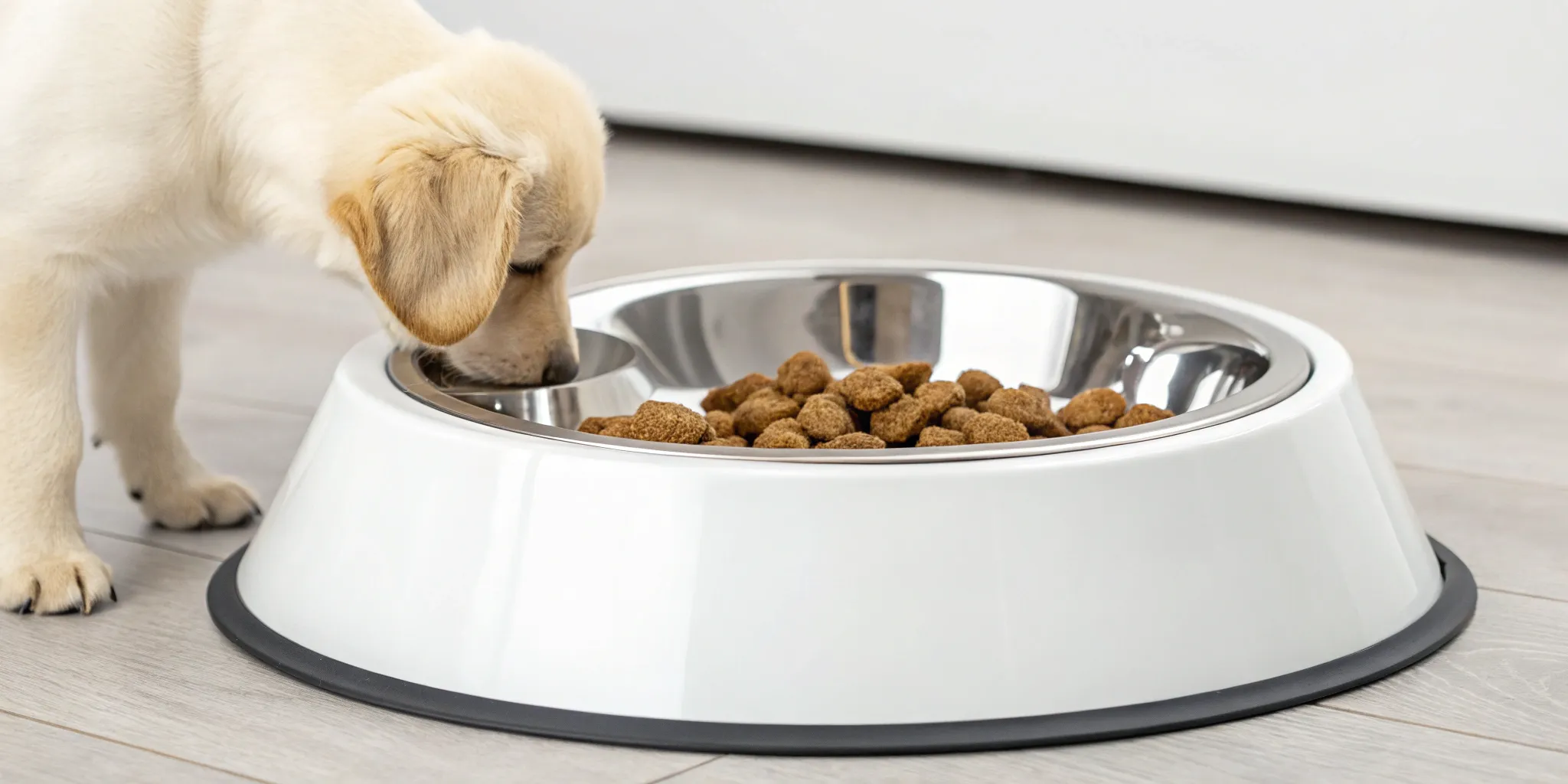
Does your new puppy finish their dinner in what feels like five seconds flat? If so, you’re not alone. Many pups get a little too excited at mealtime, inhaling their food before you can even put the bag of kibble away. That’s where a slow feeder bowl comes in. It’s a special dish designed with built-in mazes, ridges, or other patterns that make your puppy work a little harder to get their food. This simple change turns mealtime from a race into a more engaging activity.
This isn’t just about teaching good table manners; it’s about their health. When a puppy eats too quickly, they swallow a lot of air along with their food. This can lead to uncomfortable gas, vomiting, and even a serious condition called bloat. By slowing them down, the bowl helps improve their digestion and prevents these gulping-related issues. When you bring one of our puppies for sale home, setting them up for healthy habits is key.
So, how do you know if your furry friend could benefit from one? Watch for a few key signs at mealtime. If your puppy scarfs down their food in seconds, acts overly frantic when you put the bowl down, or frequently burps or vomits right after eating, a slow feeder is a great idea. It’s a simple tool that can make a big difference in their well-being, and you can find a variety of options in our pet boutique.
How a Slow Feeder Bowl Can Improve Your Puppy’s Health
Watching your new puppy devour their dinner with enthusiasm is one of the cutest sights. But if they finish their bowl in record time, it might be a sign to slow things down. Puppies who eat too quickly often swallow a lot of air along with their food, which can lead to uncomfortable gas, tummy aches, and even vomiting. In more serious cases, eating too fast can contribute to bloat, a dangerous condition for dogs.
A slow feeder bowl is designed with built-in obstacles and mazes that encourage your puppy to eat at a healthier pace. This simple change does more than just prevent them from inhaling their food. By slowing down mealtime, you support better digestion and reduce the risk of those uncomfortable post-meal problems. Experts agree that eating too fast can cause serious digestive issues for dogs, and a slow feeder is an easy and effective solution.
Beyond the physical benefits, these bowls also provide fantastic mental stimulation. Instead of just gobbling down kibble, your puppy has to think, sniff, and use their paws and snout to get to their food. This turns a simple meal into an engaging puzzle. Giving your dog a mental workout like this can help reduce boredom and anxiety, which is especially helpful for a young pup adjusting to their new home. It’s a wonderful way to make mealtime both fun and beneficial for their overall well-being. You can find a great selection of bowls and other essentials in our pet boutique to get your new friend started on the right paw.
What to Look for in a Puppy Slow Feeder Bowl
Slow feeder bowls come in a dizzying array of shapes, sizes, and materials. While it’s fun to pick a color you love, the right bowl is about more than just aesthetics. Finding the perfect fit for your new companion will make mealtimes a positive and healthy experience. A bowl that’s too difficult can cause frustration, while one made from the wrong material might not stand up to a curious chewer. To make your decision easier, focus on four key features: the material, the design, the size, and its stability. Considering these elements will help you find a bowl that works perfectly for your puppy’s specific needs.
Choose the Right Material: Plastic, Steel, Ceramic, or Silicone
When you’re browsing for a slow feeder, you’ll notice they’re made from a few common materials. While plastic is a popular and often budget-friendly choice, it’s important to choose a high-quality, food-safe option. If your puppy is a determined chewer, you might want to consider stainless steel or ceramic to avoid any risk of them ingesting small plastic pieces. Stainless steel is durable and easy to clean, while ceramic bowls are heavy and sturdy but can chip or break if dropped. Silicone is another great option; it’s flexible, lightweight, and gentle on your puppy’s teeth and gums. You can find a variety of high-quality pet accessories that are both safe and stylish.
Find a Design That Works for Your Pup
The maze-like patterns inside a slow feeder aren’t just for looks; they’re designed to create a challenge. The best design for your puppy will depend on their breed and snout shape. For instance, the design of the slow feeder bowl should cater to your puppy’s unique features. Gentle, shallow ridges are more suitable for flatter-faced puppies like Pugs or French Bulldogs, as they can easily access the food without straining. For puppies with longer noses, like Dachshunds or Retrievers, deeper and more complex mazes provide a fun challenge. You can learn more about your puppy’s specific needs on our Breed Information page to help you make the best choice.
Pick the Perfect Size and Depth
Just like you’d pick a collar that fits, choosing a bowl that is appropriate for your puppy’s size is crucial. A bowl designed for a tiny Yorkie will be far too small for a growing Golden Retriever, and vice versa. The bowl should be large enough to hold a full meal without food spilling over the sides. At the same time, make sure the bowl’s depth and maze aren’t too difficult for them to manage, as this can discourage them from eating. The goal is to slow their eating down to a healthy pace, not to make mealtime a frustrating puzzle they can’t solve.
Make Sure It Has a Non-Slip Base
Puppies can get pretty enthusiastic at mealtime, which often means their food bowl goes skidding across the floor. This can be messy for you and frustrating for your little one. To prevent this, look for a slow feeder with a non-slip base. Many slow feeder bowls come with special features like a rubber ring on the bottom or suction cups to help keep the bowl in place during meals. This simple feature prevents spills and allows your puppy to focus on happily working their way through their food without chasing the bowl around the kitchen. It’s a small detail that makes a big difference in creating a calm and clean feeding routine.
Our Top 5 Slow Feeder Bowls for Puppies
Once you’ve decided to try a slow feeder, the next step is picking the right one. With so many styles and materials on the market, the sheer number of options can feel a little overwhelming, especially when you’re focused on getting everything else ready for your new arrival. To make it easier, we’ve put together a list of our top five favorite slow feeder bowls. We’ve chosen these based on their design, durability, and how well they work for different types of puppies, from the tiny toy breeds popular here in New Jersey and New York to more robust eaters. Each one offers a unique way to turn mealtime into a fun, engaging, and healthier experience. Think of it as another way to enrich your puppy’s day and build positive associations with food. A good slow feeder isn’t just a bowl; it’s a puzzle that rewards your puppy for their effort, which can help reduce boredom and anxiety. We’ve seen firsthand how the right bowl can transform a puppy’s eating habits for the better. You can find a great selection of feeding accessories right here in our pet boutique, and our team in Whitehouse Station, NJ, is always here to help you choose the perfect one for your new family member.
Best Overall: Outward Hound Fun Feeder
If you’re looking for a fantastic all-around option, the Outward Hound Fun Feeder is our top pick. It’s especially great for puppies who are new to this type of bowl. The design features deep, winding grooves that turn dinner into a playful puzzle, forcing your pup to slow down and work a little for their food. We love that it has a non-slip base, so you won’t have to worry about the bowl sliding all over your kitchen floor during an enthusiastic meal. Plus, it’s top-rack dishwasher safe, which makes cleanup incredibly simple for busy new puppy parents. It’s a reliable, effective, and fun choice for most puppies.
Best Stainless Steel Option: Mr. Peanut’s Interactive Bowl
For puppy parents who prefer stainless steel, we highly recommend Mr. Peanut’s Interactive Slow Feed Dog Bowl. This material is super durable, non-porous, and easy to keep clean, making it a very safe choice for your pup. The design is simple yet effective: a raised hump in the middle of the bowl requires your puppy to eat around it, naturally slowing them down. It also comes with a non-slip rubber ring on the bottom to keep it in place. Like our top pick, it’s dishwasher safe, combining the benefits of a heavy-duty material with the convenience of easy maintenance. It’s a sleek and practical option that will last for years.
Best for Small and Toy Breeds: LickiMat Wobble Bowl
Many of the adorable puppies for sale in our New Jersey boutique are small or toy breeds, and for them, the LickiMat Wobble Bowl is a perfect fit. This isn’t your typical bowl; it’s an innovative design that combines a lick mat with a wobbly bowl. You can spread wet food or treats like yogurt into the textured surface or simply add their kibble. The wobbling action adds an extra layer of challenge and fun, providing great mental stimulation while encouraging slower eating. It’s a fantastic way to make mealtime an enriching activity for your tiny companion, keeping them engaged and happy.
Best Budget-Friendly Choice: Dogit Go Slow Anti-Gulping Bowl
If you want to try a slow feeder without a big investment, the Dogit Go Slow Anti-Gulping Bowl is an excellent, wallet-friendly choice. Its purpose is straightforward: to stop your puppy from gulping down their food too quickly. The design features several obstructions that your puppy has to eat around, which effectively paces their meal. While it may not have all the bells and whistles of more expensive models, it gets the job done and is a great way to see if a slow feeder is the right solution for your pup. It’s a simple, practical tool for preventing the digestive upset that can come from eating too fast.
Best Heavy-Duty Option: Super Design Gobble-Stop Bowl
Do you have a puppy who is an especially powerful chewer or just a bit rough with their belongings? The Super Design Gobble-Stop Slow Feeder Bowl is built to last. Made from tough, durable materials, this bowl is designed to withstand even the most enthusiastic eaters. Its unique internal design is highly effective at preventing gulping, making it a great choice for puppies who inhale their food in seconds. This heavy-duty option gives you peace of mind, knowing the bowl can handle your puppy’s energy while still providing all the health benefits of slowed-down eating. It’s a solid investment for a puppy who needs something a little more robust.
How to Introduce Your Puppy to a Slow Feeder Bowl
Switching your puppy to a new bowl might seem like a big change, especially when they’re just getting used to their new home with you in New Jersey. But introducing a slow feeder is usually a smooth and simple process. The key is to make it a positive and fun experience from the start. Think of it from your puppy’s perspective: everything is new, and consistency is comforting. Suddenly changing their food bowl can be confusing, so a gentle approach is best. You want your new furry family member to see their new bowl as a fun puzzle, not a frustrating chore. By taking it slow and offering plenty of encouragement, you can help your pup adjust quickly and start reaping the health benefits of slower eating. This small change in their routine can make a big difference in their digestion and overall well-being. We’ll walk you through the simple steps to get your puppy comfortable with their new slow feeder, ensuring mealtime remains the happiest time of the day. You can find a great selection of bowls and other essentials in our pet boutique to get you started.
A Simple Step-by-Step Guide
Ready to get started? Follow these simple steps to make the introduction a success. First, let your puppy check out the new bowl while it’s empty. Let them sniff it and get familiar with it on their own terms. Next, place a small amount of their regular food or a few high-value treats inside. Stay with them for the first few meals, offering calm praise as they figure it out. As they get the hang of it, you can gradually increase the amount of food until they’re eating their full meal from the bowl. It’s all about taking it one step at a time and keeping the experience stress-free.
Use Positive Reinforcement
Your attitude during this process makes all the difference. When you introduce a slow feeder, use plenty of positive reinforcement to create a happy association with the new bowl. Speak in an encouraging, happy tone of voice. Simple phrases like “Good job!” or “You got it!” can go a long way. If your puppy seems hesitant, don’t push them. Let them approach it at their own pace. The goal is for them to see the slow feeder as a rewarding game, and your positive energy will help them feel confident and excited about their new mealtime challenge.
Tips for the First Few Meals
The first few meals are all about building confidence. Start by putting just a small portion of their usual food in the slow feeder. This makes it less overwhelming and allows them to learn the ropes without getting frustrated. You can even mix in a few of their favorite treats to make it extra enticing. Don’t worry if they take a while to finish; that’s the whole point! Most puppies get comfortable with their new bowl within three to five days. Just be patient and consistent, and soon enough, it will just be a normal part of their routine.
Common Slow Feeder Problems (and How to Solve Them)
Switching to a slow feeder bowl is a great step for your puppy’s health, but it can come with a few hiccups. Your pup might see their new bowl as a toy, get frustrated by the challenge, or make an even bigger mess than before. Don’t worry, these are common issues with simple solutions. With a little patience and a few clever tricks, you can help your new friend get the hang of their new mealtime routine. Think of it as another fun training opportunity to bond with your puppy.
What to Do if Your Puppy Flips or Chews the Bowl
If you have a playful pup who loves to flip their bowl, the solution might be as simple as finding a heavier model or one with a super-strong, non-slip base. For persistent flippers, you can try a creative DIY approach: spread their kibble across a muffin tin. This makes it nearly impossible to tip over and still encourages slower eating. If chewing is the issue, it could be a sign of boredom. Make sure your puppy has plenty of appropriate puppy toys to keep them stimulated throughout the day so they don’t see their bowl as a chew toy.
Helping a Frustrated or Uninterested Puppy
It’s easy to forget that a puzzle bowl can be confusing for a puppy at first. If your little one seems stressed or gives up, it’s a sign to slow down the introduction. Start by putting a small amount of their favorite food in the easiest-to-reach sections of the bowl. Shower them with praise when they eat from it! Keep the first few sessions short and positive to build a happy association. The goal is to show them it’s a fun game, not a frustrating task. A little encouragement goes a long way in helping them build confidence.
How to Handle a Messy Eater
Some puppies attack their slow feeder with so much enthusiasm that kibble flies everywhere. A good feeding mat can help contain the mess, but you can also change the game entirely. Try using a food-dispensing toy, like a Kong, stuffed with their meal. This slows them down and turns eating into an engaging activity. Another easy trick is to place a few large, non-edible, and puppy-safe toys in their regular bowl. This creates simple obstacles they have to eat around, effectively slowing them down without the need for a special bowl.
When Should You Start Using a Slow Feeder Bowl?
You can introduce a slow feeder bowl the moment you bring your new puppy home. There’s no need to wait, especially if you notice your little one is a particularly enthusiastic eater. Starting early helps establish calm, healthy eating habits from day one. It can also make mealtimes a fun, engaging activity as your puppy settles into their new environment in your New Jersey or New York home. A slow feeder provides great mental stimulation, which is just as important as physical exercise for a growing pup.
Watch for a few key signs that your puppy could benefit from a slow feeder. If they scarf down their food in seconds, seem overly frantic when you set their bowl down, or tend to cough, gag, or vomit after eating, a slow feeder is an excellent choice. By turning mealtime into a playful puzzle, these bowls encourage your puppy to eat at a healthier, more natural pace. This simple change can make a big difference in preventing digestive upset and discomfort.
Most puppies adapt to a slow feeder within just a few days, so you don’t have to worry about a difficult transition. Just remember that as your puppy grows, you’ll likely need to get a larger bowl to accommodate their size and appetite. You can explore different styles and sizes to find the perfect fit for your new companion in our pet boutique. Introducing one early is a simple, proactive step you can take to support your puppy’s digestive health for years to come.
How to Keep Your Slow Feeder Bowl Clean
The unique design of a slow feeder bowl is fantastic for your puppy’s digestion, but those same patterns and grooves can be tricky to clean. Food particles and saliva can easily get trapped in the nooks and crannies, creating a place for bacteria to grow. Keeping your puppy’s bowl spotless is a simple but essential part of their overall health and well-being, ensuring every meal is a safe one. Luckily, maintaining your slow feeder is straightforward with a simple routine that won’t take much time out of your day. A clean bowl is a must for any of the happy, healthy puppies for sale finding their new homes.
Your Daily Cleaning Routine
After each meal, it’s important to remove any leftover food from the slow feeder bowl to prevent bacteria growth. A quick rinse with warm water is often enough to dislodge any remaining kibble or wet food. For a slightly more thorough daily clean, you can use a bit of mild dish soap and a sponge to wipe it down before rinsing completely. This simple step takes less than a minute but goes a long way in keeping your puppy’s feeding station hygienic and ready for their next meal. Making this a habit ensures that mealtime is always a safe and pleasant experience for your new companion.
How to Deep Clean the Bowl
For a thorough cleaning, use warm soapy water and a soft sponge to scrub the bowl, paying special attention to any grooves or ridges where food particles may get stuck. A small bottle brush or a dedicated toothbrush can be a lifesaver for getting into those tight corners and complex patterns. We recommend deep cleaning the bowl every few days, or at least once a week, to ensure no grime builds up over time. This keeps your puppy safe and their bowl looking brand new, so you can focus on the fun parts of having a new furry family member.
Is It Dishwasher Safe?
Many slow feeder bowls are designed to be dishwasher safe, which makes cleanup much easier. Before you buy, it’s a great idea to check the manufacturer’s instructions to confirm if a bowl can go in the dishwasher. This feature can be a real time-saver for busy pet parents. If it is safe, it’s usually best to place it on the top rack, especially if it’s made of plastic. You can find a great selection of easy-to-clean bowls and other essentials in our pet boutique.
Is a Slow Feeder Bowl Right for Your Puppy?
Deciding on the right accessories for your new puppy can feel like a big task, but choosing the right food bowl is a great place to start. If you’ve noticed your new furry family member inhales their food in seconds, a slow feeder bowl might be an excellent choice. While that puppy enthusiasm is adorable, eating too quickly can cause them to swallow excess air, leading to uncomfortable and sometimes serious issues like choking, vomiting, or a dangerous condition known as bloat.
Beyond the physical health benefits, slow feeder bowls offer a fantastic source of mental stimulation. The mazes, grooves, and patterns turn mealtime into a fun and engaging puzzle. Your puppy has to use their brain to figure out how to get to every last bite, which helps burn off mental energy and prevents boredom. This can be especially helpful for certain dog breeds that thrive on having a “job” to do. It’s an easy way to add a little enrichment to their daily routine.
So, how do you know if it’s the right fit? If your puppy is a speed eater, the answer is likely yes. Most puppies adapt to a slow feeder within a few days, especially with a little encouragement. You can introduce one as soon as you bring your puppy home, but keep in mind you may need to size up as they grow. It’s a simple tool that supports healthy digestion and provides a daily dose of fun, making it a worthwhile addition for many new puppies.
Related Articles
- Top 10 Best Dry Puppy Foods for Small Breeds
- 7 Top Rated Puppy Food Brands Vets Recommend
- The Ultimate Guide to Premium Puppy Dog Food
- Consumer Reports: Best Dry Puppy Food Picks
Frequently Asked Questions
Do all puppies need a slow feeder bowl? Not every puppy absolutely needs one, but they are a fantastic tool for any pup who eats their meals very quickly. If you notice your puppy finishes their food in under a minute or often coughs or gags after eating, a slow feeder is a great way to encourage a healthier pace. It’s a simple change that can prevent digestive discomfort and make mealtime more engaging.
My puppy seems frustrated with the new bowl. What should I do? It’s common for a puppy to be a little confused at first, so the key is to make it a positive experience. Start by putting only a small amount of food or a few high-value treats in the easiest parts of the bowl. Stay with them and offer lots of praise as they figure it out. If they’re still struggling, you can try a bowl with a simpler design until they get the hang of the concept.
Is my puppy too young to start using a slow feeder? Not at all. You can introduce a slow feeder bowl as soon as you bring your new puppy home. Starting early is a wonderful way to establish healthy eating habits from the very beginning. It turns mealtime into a fun, stimulating activity that can help your puppy settle into their new routine with you.
What’s the difference between a slow feeder and a food-dispensing toy? Both are great for mental stimulation, but they serve slightly different purposes. A slow feeder bowl is designed to hold a full meal and is used specifically during feeding times to manage the pace of eating. A food-dispensing toy, like a Kong, is typically used for snacks or smaller portions of food and serves more as an interactive puzzle to keep your puppy occupied at other times of the day.
How long should it take my puppy to eat from a slow feeder? There’s no single right answer, as it depends on the puppy and the complexity of the bowl’s design. A meal that used to take 30 seconds might now take five to ten minutes. The goal isn’t to make mealtime last forever, but simply to slow them down from inhaling their food. As long as they are eating at a noticeably calmer pace, the bowl is doing its job perfectly.