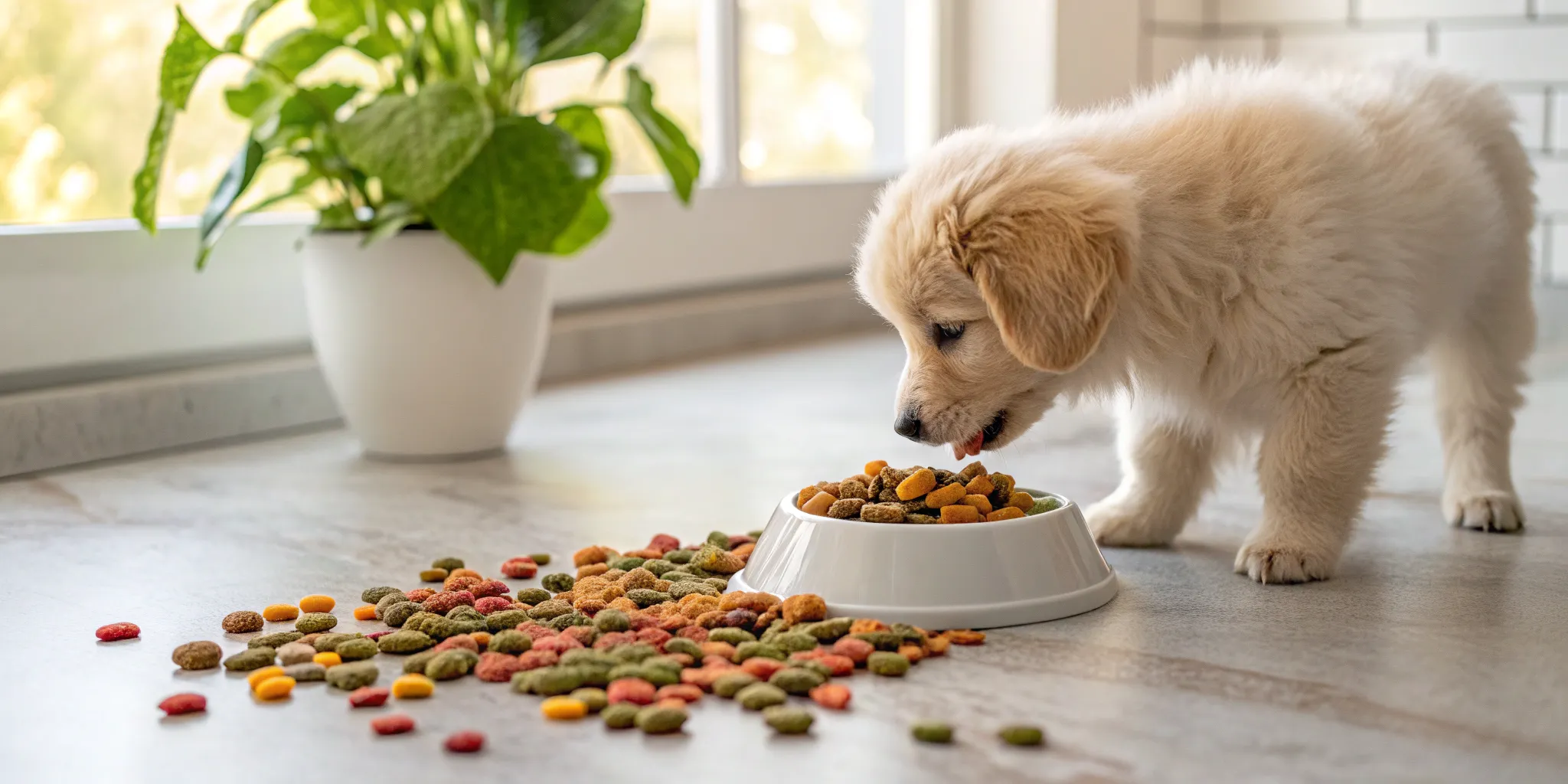
Walking into a pet store to choose food for your new puppy can feel like a pop quiz you didn’t study for. The shelves are lined with bags, all claiming to be the best. How do you cut through the noise and make a choice you feel good about? That’s where a trusted, unbiased source like Consumer Reports comes in. They apply the same rigorous testing to pet food as they do to cars and appliances. This guide will break down their findings, helping you understand what to look for when searching for the consumer reports best dry puppy food. We’ll cover the essential nutrients your puppy needs to thrive and the red flags to avoid, giving you the confidence to pick the perfect food for your new family member.
Key Takeaways
- Become a Label Detective: The most important information is on the back of the bag. Prioritize foods with a specific, whole protein (like “deboned chicken”) listed first, and always look for the AAFCO statement that confirms the formula is “complete and balanced” for puppy growth.
- Match the Meal to Their Size and Age: A puppy’s nutritional needs change as they grow. Choose a food specifically formulated for their breed size—small, medium, or large—to support healthy bone development, and plan to switch to an adult formula once they reach maturity.
- Consistency is Key for a Happy Tummy: To prevent digestive upset, establish a predictable feeding schedule with 3-4 small meals a day for young puppies. If you ever change their food, make the transition gradually over a week to give their system time to adjust.
How Consumer Reports Ranks Puppy Food
When you’re trying to choose the best food for your new family member, the sheer number of options can feel overwhelming. That’s where a trusted, unbiased source like Consumer Reports (CR) comes in. They’re known for their thorough testing of everything from cars to coffee makers, and they apply that same meticulous approach to puppy food. Think of them as your personal research team, dedicated to cutting through the marketing noise to find out what’s really inside that bag of kibble.
Their process isn’t just about taste tests. CR conducts extensive lab testing to analyze what’s in the food and, just as importantly, what isn’t. They focus on three core areas: ensuring the food provides complete nutrition for a growing pup, prioritizing safety by checking for consistency, and screening for harmful contaminants that could make your puppy sick. Understanding how they rank these foods can give you the confidence you need to walk down the pet food aisle and make a smart, informed choice for your little one. It’s all about giving you peace of mind so you can focus on the fun stuff, like playtime and cuddles.
Checking for Complete Nutrition
First and foremost, Consumer Reports verifies that puppy food is nutritionally complete. A growing puppy has very specific dietary needs, and their food is the foundation for a healthy life. In their tests, CR checks for essential nutrients like protein, fat, and key vitamins and minerals to ensure they meet the standards set by the Association of American Feed Control Officials (AAFCO). This is the industry benchmark for “complete and balanced” nutrition. While most foods they tested met these basic guidelines, CR’s analysis confirms that the food in the bag matches the promises on the label, ensuring your puppy gets everything they need for strong bones, a sharp mind, and boundless energy.
Prioritizing Safety Testing
Beyond basic nutrition, safety is a top concern. Consumer Reports’ testing process is designed to make sure the food you buy is consistent and safe for your puppy to eat. While their research didn’t uncover widespread problems across the board, it did reveal significant differences between brands. This is why their ratings are so helpful. They look for inconsistencies in nutrient levels that could impact your puppy’s health over time. This commitment to safety helps you choose a brand that not only provides great nutrition but also has reliable quality control, which is a top priority for any new puppy parent. If you have more questions about puppy care, we’re always here to help.
Screening for Harmful Contaminants
Finally, Consumer Reports conducts rigorous screening for dangerous contaminants. No one wants to worry that their puppy’s food could make them sick. Their labs test for harmful bacteria like salmonella and listeria, which can cause serious illness. They also check for aflatoxins, which are toxins produced by mold that can grow on pet food ingredients like corn. The good news is that their in-depth testing found that most foods are safe. However, by screening for these potential dangers, CR provides an essential layer of protection and helps you select a food with a proven track record of safety.
Top-Rated Puppy Food Brands You Can Trust
Walking down the pet food aisle can feel overwhelming with so many options available. How do you know which bag to choose? The good news is that you don’t have to guess. Some brands consistently stand out because they invest heavily in scientific research and work closely with veterinarians and nutritionists to create their formulas. When you choose a food from a reputable company, you can feel confident that your new family member is getting a safe, high-quality meal designed for their specific growth needs.
Brands like Purina Pro Plan, Hill’s Science Diet, and Royal Canin are often recommended because they have a long history of producing balanced and reliable puppy food. They understand that the nutritional needs of a tiny Toy Poodle are very different from those of a growing Golden Retriever. That’s why they offer a variety of formulas tailored to different dog breed info, ensuring your puppy gets the precise building blocks they need for a healthy start. When you bring home a new puppy, selecting one of these trusted brands is a great first step in setting them up for a long, happy life.
Purina Pro Plan Puppy
Purina Pro Plan is a fantastic choice that’s backed by a team of veterinarians and nutritionists. Their puppy formulas are specifically designed to support a developing immune system, which is crucial for keeping your little one healthy as they explore their new world. The recipes are rich in high-quality protein to help build lean, strong muscles for all that running and playing. Plus, they include live probiotics to aid digestion and maintain a healthy gut. It’s a well-rounded, science-backed food that gives your puppy a great nutritional foundation from day one.
Hill’s Science Diet Puppy
If you’re looking for a brand that puts research first, Hill’s Science Diet is a top contender. Their recipes are developed based on extensive nutritional science to ensure every bite is packed with benefits. This food is formulated with high-quality ingredients to help your puppy build strong muscles and support a robust immune system. Veterinarians frequently recommend Hill’s because of its commitment to quality and its proven track record for creating balanced meals. It’s a reliable option that delivers the essential nutrients your growing puppy needs to thrive, giving you peace of mind.
Royal Canin Puppy Formulas
Royal Canin excels at creating highly specialized formulas tailored to a puppy’s specific size and breed. They understand that a tiny Chihuahua has different needs—and a much smaller mouth—than a larger Labrador. That’s why they design their kibble to be the perfect size and shape for your particular puppy, making it easier for them to chew and digest. Their recipes are precisely balanced to support healthy growth, with added nutrients that promote a shiny coat and healthy skin. If you want a food customized for your puppy’s unique traits, Royal Canin is an excellent choice.
Your Puppy’s Must-Have Nutrients
Just like a human baby, your puppy is growing at an incredible rate, and their little body needs the right fuel to build a strong foundation for a long, healthy life. Choosing the right food isn’t just about filling their bowl; it’s about providing the essential building blocks for everything from their brain to their bones. High-quality puppy food is specifically formulated with a powerhouse of nutrients to support this rapid development, ensuring your new best friend gets the best possible start.
Protein for Strong Muscles
Protein is the MVP of your puppy’s diet. It’s essential for building strong muscles, repairing tissues, and supporting their entire body structure. But not all protein is created equal. Look for foods that list a high-quality, easily digestible source like chicken, lamb, or fish as the first ingredient. The best puppy foods are carefully formulated to provide the perfect amount of protein your growing companion needs. Understanding your puppy’s specific breed information can also help you tailor their diet, as activity levels and growth rates can vary.
DHA for Brain and Vision
Have you ever heard of DHA? It’s an omega-3 fatty acid that acts as a superfood for your puppy’s developing brain and eyes. This is the nutrient that supports learning, memory, and sharp vision, helping your puppy process all the new sights and sounds of their world. Think of it as the key to helping them learn their name, master potty training, and figure out that new puzzle toy. Ensuring their food is rich in DHA is one of the best things you can do to support their cognitive health right from the start.
Calcium for Healthy Bones
Your puppy’s playful pounces and energetic zoomies are all thanks to their growing skeleton. To build strong bones and teeth, they need a precise balance of minerals, especially calcium and phosphorus. A food labeled “complete and balanced” for puppies or “growth and reproduction” is your best bet. These formulas are designed to meet strict nutritional standards, providing the exact amounts of calcium needed to support healthy bone development without overdoing it. This careful balance is crucial for preventing skeletal issues later in life.
Omegas for Skin and Coat
That incredibly soft, shiny puppy coat isn’t just for cuddles—it’s also a great indicator of their overall health. Omega-3 and omega-6 fatty acids are vital for maintaining healthy skin and a lustrous coat. These healthy fats help reduce dryness and itchiness while giving their fur that beautiful sheen. When your puppy’s diet is rich in omegas, you’re supporting their health from the inside out. You can find premium foods and supplements to support their coat in our pet boutique.
Harmful Ingredients to Avoid in Puppy Food
Just as important as what is in your puppy’s food is what isn’t. While the vast majority of commercial puppy foods are safe, being a savvy pet parent means knowing which red flags to watch for on an ingredient label. Keeping an eye out for a few specific contaminants will help you ensure you’re giving your new family member the purest, healthiest start possible. When you’re ready to stock up, our pet boutique carries a curated selection of high-quality foods and treats we trust for our own puppies.
Bacteria like Salmonella and Listeria
You’ve likely heard of these bacteria in the context of human food safety, and the same concerns apply to our pets. Contamination with bacteria like Salmonella and Listeria can cause serious gastrointestinal issues for a young puppy. These risks are most often associated with raw food diets. A detailed Consumer Reports study found that while most foods met nutrient recommendations, they did discover harmful bacteria like listeria in a few raw dog food samples. Sticking with a high-quality, cooked commercial kibble from a reputable brand is one of the easiest ways to minimize this risk and keep your puppy’s tummy happy and healthy.
Toxins from Mold
Certain types of mold can produce harmful substances called aflatoxins, which can grow on common food ingredients like corn, peanuts, and other grains if they aren’t stored properly. It sounds scary, but you can rest easy knowing that reputable pet food manufacturers have strict quality control measures in place to prevent this. The same Consumer Reports test found aflatoxins in only one dog food sample, and the level was so low it was considered completely safe by FDA standards. This just reinforces the importance of choosing a trusted brand that prioritizes safety and consistent quality in every bag.
Heavy Metals and Chemicals
In an ideal world, every bite of your puppy’s food would be pure, clean fuel. Unfortunately, trace amounts of heavy metals and other chemicals can sometimes find their way into pet food ingredients. This is why regulatory bodies like the Association of American Feed Control Officials (AAFCO) establish safety guidelines for pet food. The best puppy food brands go a step further by conducting their own rigorous safety testing to screen for these contaminants. Choosing a food from a company that is transparent about its safety protocols gives you peace of mind that you’re not feeding your puppy any unwanted extras.
Find the Perfect Food for Your Unique Puppy
Picking the right food for your new family member can feel like a huge decision, but it doesn’t have to be overwhelming. Just like people, every puppy has unique needs based on their size, age, and overall health. Choosing a food that’s tailored to them sets them up for a happy, healthy life right from the start. Focusing on these key areas will help you confidently choose the perfect meal plan for your little one.
Consider Your Puppy’s Breed Size
A tiny Yorkie has very different nutritional needs than a growing Golden Retriever. That’s why so many puppy foods are formulated for specific breed sizes—small, medium, or large. Larger breed puppies, for instance, need a careful balance of calcium and phosphorus to support their bone development without growing too quickly. Smaller breeds have faster metabolisms and smaller stomachs, so they benefit from nutrient-dense food in smaller kibble sizes. Not sure where your puppy fits? You can explore different breed information to understand their expected adult size and find a food that matches their specific growth patterns.
Match the Food to Their Age
Puppies are growing machines, and their bodies require more energy and specific nutrients than adult dogs. That’s why you should always look for food specifically labeled for puppies. These formulas are packed with higher levels of high-quality protein, healthy fats, and essential vitamins to fuel their rapid development. Think of it as the nutritional foundation for their entire life. Feeding them adult dog food too early can deprive them of these critical building blocks for strong bones, healthy organs, and a sharp mind. Our pet boutique is stocked with premium puppy foods to get you started on the right foot.
Address Any Special Health Needs
Sometimes, a puppy might have a sensitive stomach or show signs of food allergies, like itchy skin or digestive upset. If you notice anything unusual, your first step should always be a conversation with your veterinarian. They can help you pinpoint the issue and may recommend a special diet, such as a limited-ingredient or grain-free formula. Your vet is your best partner in your puppy’s health journey and can provide the most reliable advice on their diet. Don’t hesitate to ask them for recommendations, especially when it comes to managing any specific health concerns for your new companion.
How to Read a Puppy Food Label Like a Pro
Walking down the pet food aisle can feel overwhelming. With so many colorful bags all promising the best for your new puppy, how do you choose? The good news is that once you know what to look for, reading a food label becomes a simple and empowering task. Think of it as your secret decoder ring for choosing the perfect fuel for your furry friend’s growth and playtime. Making a confident choice is all about checking three key areas on the bag: the ingredient list, the “guaranteed analysis,” and a special statement of nutritional adequacy.
Understanding these components helps you see past the flashy marketing and focus on what truly matters—the quality and balance of the nutrients inside. This is one of the most important first steps you can take to set your puppy up for a long, healthy, and happy life. It’s about giving them the building blocks they need for everything from strong bones to a shiny coat. At our pet boutique, we only stock foods we trust, but knowing how to vet them yourself is a skill you’ll use for years to come. Let’s break down exactly what to look for so you can feel confident every time you fill their bowl.
Scan the Ingredient List First
The ingredient list is your first stop, and the most important rule is that ingredients are listed by weight. That means the first few items make up the bulk of the food. You want to see a high-quality, identifiable protein source listed first. Look for specific words like “deboned chicken,” “lamb,” or “beef,” not vague terms like “meat by-products.” A real, whole protein source at the top of the list is a great sign that you’re starting with a quality food. This ensures your puppy is getting the essential amino acids needed to build strong muscles for all their running, jumping, and playing.
Check the “Guaranteed Analysis”
Next, find the box labeled “Guaranteed Analysis.” This is the nutrition facts panel for your puppy’s food. It shows the minimum percentages of crude protein and fat, along with the maximum percentages of fiber and moisture. For a growing puppy, you generally want to see a high protein percentage to support development and enough fat for energy. This panel gives you a straightforward breakdown of the food’s nutritional content, helping you compare different formulas at a glance. It’s a helpful tool for understanding what’s really in your dog’s food and making an informed decision beyond the pretty packaging.
Look for the AAFCO Statement
Finally, search for a statement from the Association of American Feed Control Officials (AAFCO). This is a crucial indicator of a food’s quality. The AAFCO doesn’t approve foods, but it does set nutritional standards. A label that reads, “[Pet Food Name] is formulated to meet the nutritional levels established by the AAFCO Dog Food Nutrient Profiles for growth,” is your assurance that the food is “complete and balanced” for a puppy. This statement confirms the food will provide all the necessary nutrients for your little one to thrive, which is especially important for the different types of dogs you can learn about in our breed information guide.
Your Puppy’s First Feeding Schedule
Bringing your new puppy home is an incredibly exciting time, and one of the best ways to help them settle in is by establishing a consistent routine. A predictable feeding schedule does more than just fill their belly; it helps your little one feel secure, supports their healthy development, and makes house training much easier. When you welcome a new puppy into your family, our team provides you with all the details about their current diet and schedule. This ensures a smooth transition from our boutique in Whitehouse Station, New Jersey, to your loving home.
Setting up a dedicated feeding station is a great first step. Choose a quiet, low-traffic area where your puppy can eat without feeling rushed or distracted. This small detail helps build positive associations with mealtime. Remember to always provide fresh, clean water alongside their food, changing it at least once a day. Consistency is your best friend here. Feeding your puppy at the same times each day helps regulate their digestive system, which is a huge help for potty training, and it also manages their energy levels so you can anticipate when it’s time for play and when it’s time for a nap.
How Much to Feed Your Puppy
Growing puppies have big nutritional needs packed into tiny bodies. They require food specially formulated with high-quality ingredients, vitamins, and healthy fats to support their rapid growth. The feeding chart on the back of your puppy food bag is a great starting point, but it’s just a guideline. Every puppy is an individual, and factors like their activity level and specific breed information can influence how much they need. Pay close attention to your puppy’s body condition. You should be able to feel their ribs but not see them. If you’re unsure, our knowledgeable staff is always here to help you find the right balance for your new companion.
How Often to Feed Your Puppy
A young puppy’s metabolism is fast, and their stomach is small, so they do best with several small meals throughout the day. Puppies under six months old should eat three to four small meals daily. This keeps their energy levels stable and prevents the highs and lows that can come from eating one or two large meals. Once they’re a bit older, you can typically reduce their feedings to two meals a day—one in the morning and one in the evening. This routine will likely stick with them for the rest of their life, creating a predictable and comforting part of their day.
How to Switch Foods Safely
When you bring one of our puppies for sale home, we’ll let you know exactly what food they’ve been eating. If you decide to change their food, it’s crucial to do it slowly to avoid an upset stomach. A gradual transition over seven to ten days is the safest method. Start by mixing a small amount of the new food (about 25%) with their old food (75%). Every few days, gradually increase the amount of new food and decrease the old until you’ve fully switched over. This simple process gives their sensitive digestive system time to adjust, keeping them happy and comfortable.
When to Switch to Adult Dog Food
Knowing when to switch your little one from puppy food to adult dog food is a big step in their journey to adulthood. It’s a common question we get from new puppy parents here in our New Jersey boutique and from families across the tri-state area. While it might seem like a simple change, timing is everything. Puppy food is specially formulated with extra calories, protein, and fat to fuel their incredible growth spurts. It gives them all the building blocks they need for strong muscles and bones.
However, once they’ve done most of their growing, those extra calories can lead to unhealthy weight gain. This is why transitioning to adult food, which is balanced for maintenance rather than growth, is so important. The right time to make the switch depends almost entirely on your puppy’s breed size and their individual development. There isn’t a single magic age for all puppies. Getting the timing right helps set them up for a long, healthy life. So, let’s look at the key timelines and signs that show your pup is ready for the next stage of their culinary life.
Timing the Switch by Breed Size
A puppy’s breed size is the biggest factor in determining when they’re ready for adult food. Smaller dogs mature much faster than their larger counterparts. For toy and small breeds, you’ll likely make the switch between 9 and 12 months. Medium-sized dogs usually transition around 12 to 14 months. If you have a large or giant breed, be prepared to wait a bit longer—typically between 18 and 24 months. This extended timeline gives their bones and joints the extra time they need to develop properly. You can check our breed information pages to get a better idea of your puppy’s projected adult size.
Signs Your Puppy Is Ready for a Change
Beyond the calendar, your puppy will give you clues that they’re ready for a new menu. One of the most obvious signs is that they’re approaching their full adult size. You might also notice their energy levels starting to even out; they’re still playful, but maybe not bouncing off the walls 24/7. By about six months, they’ll have their full set of adult teeth, which is another key sign of maturity. Paying attention to these developmental milestones, in addition to their age, will help you pinpoint the perfect time to begin transitioning their diet. It’s all part of the amazing experience of watching your new family member grow up.
Warning Signs of a Low-Quality Puppy Food
Choosing the right food for your new puppy can feel like a huge responsibility, and honestly, it is! What you put in their bowl directly impacts their growth, energy, and long-term health. The pet food aisle is filled with bright bags and convincing claims, but not all foods are made with the same care and quality. Learning to spot the red flags of a subpar food is one of the best skills you can develop as a new pet parent.
It’s about looking past the clever marketing and understanding what’s actually inside the bag. Some brands prioritize profits over your puppy’s well-being, using cheap fillers and questionable ingredients that offer little nutritional value. Others might have lax safety standards, which can introduce harmful contaminants into your puppy’s food. Your puppy depends on you to make the best choice for them. By knowing what to watch out for, you can confidently select a food that will help your little one thrive from their first day home in New Jersey or New York to their first birthday and beyond. We’ll walk through the key warning signs, from problematic ingredients to poor manufacturing practices, so you can feel certain you’re giving your new family member the very best start.
Problematic Ingredients to Look Out For
Don’t let flashy packaging or buzzwords fool you. Terms like “premium,” “gourmet,” or “human-grade” aren’t officially defined for pet food, so they don’t guarantee quality. Instead, turn the bag over and focus on the facts. A major red flag is a long list of unidentifiable ingredients, artificial colors, or chemical preservatives like BHA, BHT, and ethoxyquin. You should also be wary of generic meat ingredients like “meat meal” instead of a specific source like “chicken meal.” A truly high-quality food will have a whole protein source listed first. To be sure a food is nutritionally sound, look for a statement that it meets the standards set by the Association of American Feed Control Officials (AAFCO).
Poor Manufacturing and Safety Practices
A great ingredient list doesn’t mean much if the food isn’t made in a safe, clean facility. Reputable companies invest in quality control and regularly test their products for safety. Unfortunately, not all brands uphold these standards. Recent investigations into dog food safety have raised alarms about contaminants, with some tests finding harmful bacteria like listeria and salmonella, particularly in raw food formulas. A history of frequent product recalls is another major warning sign. Stick with brands that are transparent about their manufacturing processes and safety testing. Your puppy’s health is worth the extra research to find a company you can truly trust.
Related Articles
- 7 Top Rated Puppy Food Brands Vets Recommend
- The Ultimate Guide to Premium Puppy Dog Food
- Dog Food Brands to Avoid & What to Buy Instead
- The 5 Best Premium Puppy Foods for a Healthy Start
- The Best Food for Puppies: A Complete Guide
Frequently Asked Questions
What’s the single most important thing to look for on a puppy food label? While the whole label is important, the two things I check first are the ingredient list and the AAFCO statement. You want to see a specific, high-quality protein like “chicken” or “lamb” as the very first ingredient. Then, look for a sentence that says the food is formulated to meet AAFCO’s nutritional profiles for “growth.” This is your assurance that the food is complete and balanced for a growing puppy.
Does my puppy’s breed size really matter when choosing a food? Yes, it absolutely does. A large breed puppy, like a Golden Retriever, has very different needs than a small breed, like a Yorkie. Large breed formulas are made with a precise balance of calcium to ensure their bones grow at a steady, healthy pace. Small breed formulas often have smaller kibble and are more nutrient-dense to support their faster metabolisms. Choosing a food designed for your puppy’s expected adult size is one of the best ways to support their long-term health.
How can I tell if my puppy is doing well on their current food? You can learn a lot just by observing your puppy. A healthy puppy on a quality diet will have a glossy coat, clear eyes, and consistent, high energy levels for play. You should also pay attention to their digestion—their stools should be firm and regular. If your puppy has great energy and looks healthy from nose to tail, you’ve likely found a great food for them.
Is it okay to switch my puppy’s food if I find a better option? Of course! It’s perfectly fine to change your puppy’s food, but the key is to do it gradually. A sudden switch can easily upset their sensitive stomach. The best way to transition is to mix the new food with the old food over about a week, slowly increasing the amount of the new food each day. This gives their digestive system time to adjust without any issues.
When is the right time to switch from puppy food to adult dog food? The timing depends almost entirely on your dog’s breed size, as smaller dogs mature much faster than larger ones. Toy and small breeds are typically ready between 9 and 12 months, while medium breeds are closer to the one-year mark. For large and giant breeds, you’ll want to wait until they are 18 to 24 months old to ensure their joints are fully developed. The goal is to make the switch once they have finished their major growth spurts.